Glass Fins and a 5km Beam: Freetown Memorial Honours 900 Overlooked Carriers
Oshinówò Studio's glass extension to Lutyens' 1931 Freetown Memorial names over 900 fallen Sierra Leone Carrier Corps members for the first time.
- Section
- Architecture
- Author
- By Amara Osei
- Filed
- Length
- 4 min read
Key takeaways
- The extension names more than 900 fallen Sierra Leone Carrier Corps members individually for the first time.
- The glass prism rises 8.4m, with four glass fins weighing a total of 4,000 kg and a light beam visible from a 5km radius.
- The original Freetown Memorial was designed by Sir Edwin Lutyens in 1931.
- The project team spanned Nigeria, the Netherlands, Spain, Sierra Leone and the UK.
- The Commonwealth War Graves Commission calls it one of its most significant projects since the Second World War.
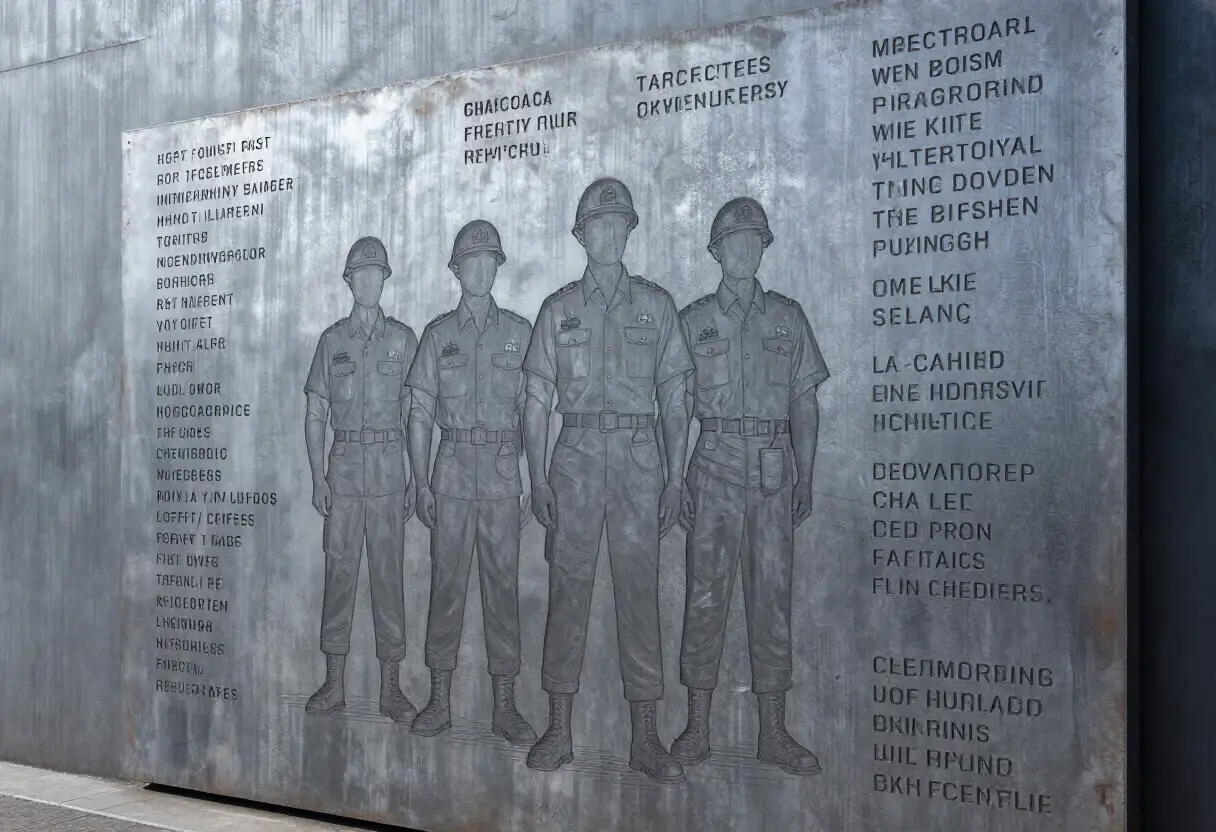
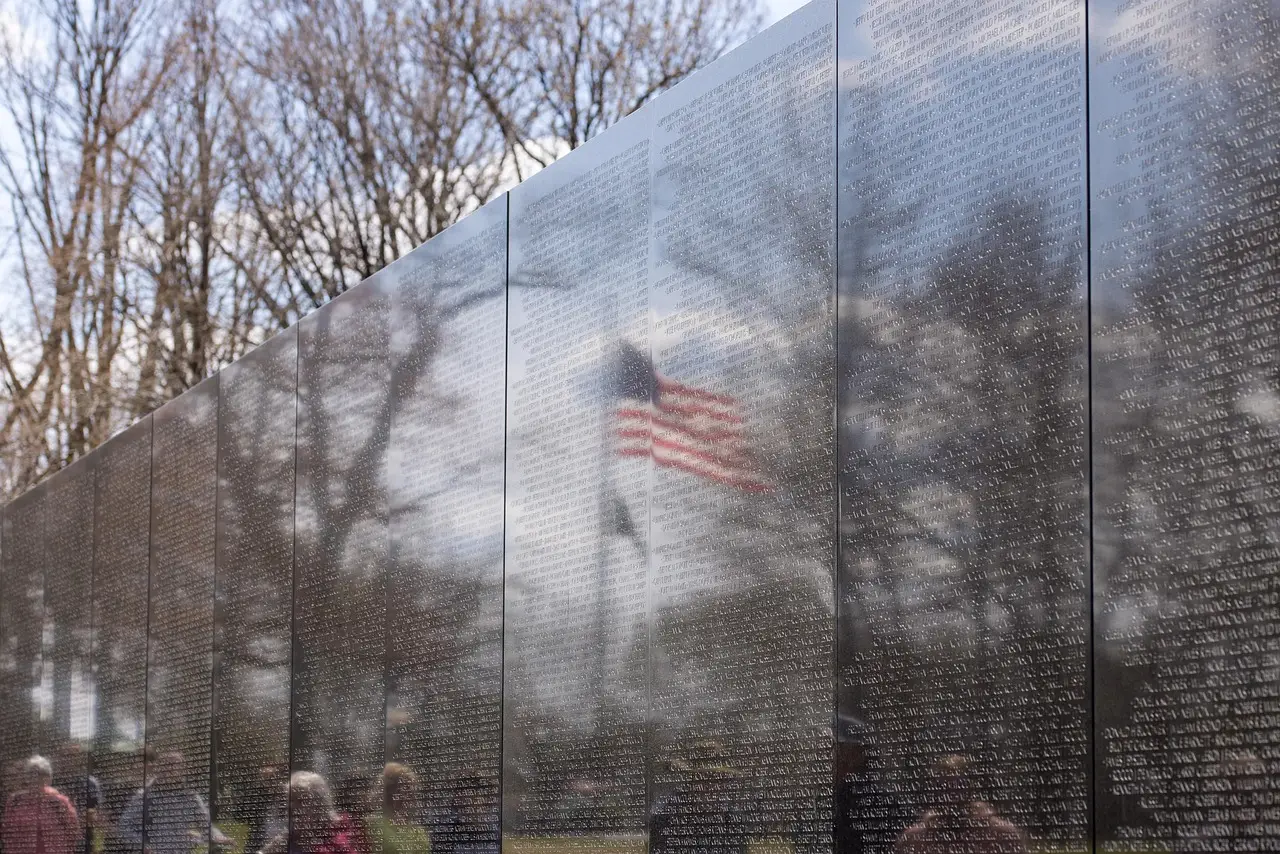
More than 900 Sierra Leone Carrier Corps members who died in the First World War now have their names etched, individually, into a memorial for the first time. Oshinówò Studio's new Freetown Memorial extension, revealed this weekend alongside the restored 1931 monument by Sir Edwin Lutyens, marks what the Commonwealth War Graves Commission calls one of its most significant undertakings since the Second World War.
Founder Tosin Oshinówò designed a structural glass prism that rises 8.4 metres beside Lutyens' original. Four glass fins, weighing 4,000 kg in total, emit a colourful glow that culminates in a pillar of light projecting upward — visible from a 5km radius across Freetown.
That beam is not decoration. It is strategy.
Why light became the medium
The monument sits in the forecourt of the Ministry of Finance, now a controlled-access area. Oshinowo's team wanted the memorial to reach beyond its locked gates.
'Through our engagement with the site and its context, we recognised that the monument, located within the forecourt of the Ministry of Finance, now sits within a controlled-access area. We wanted to create a memorial that could transcend the limitations of its physical location and extend its presence into the wider city. Light became a natural medium through which to achieve this,' Oshinowo explains.
The beam will illuminate only on significant days throughout the year, and the architect frames it as more than commemoration of the fallen.
'While the monument serves as a memorial to the fallen, we also saw an opportunity to create a broader space for collective remembrance, acknowledging some of the other tragedies that have shaped Sierra Leone's history,' she said. 'In doing so, it becomes a contemporary monument that speaks to the people of Sierra Leone today while carrying its message of remembrance and hope to future generations.'
What drew Oshinowo to a new typology?
The commission was a first for the Lagos-based architect, and the unfamiliarity was the point. She entered the competition drawn by the challenge of a new typology as much as by the project's importance.
'It has been an absolute privilege to design this monument. That said, I have always been drawn to new challenges, and it was precisely the unfamiliarity of this commission that attracted me,' she said. 'At the time, I was also exploring the relationship between public space and memory as part of an academic enquiry, and I became increasingly aware of these spaces' cultural and historical significance. I brought that curiosity and personal interest into the project, allowing it to inform my approach to the design.'
How do you bolt 4,000 kg onto Lutyens?
You don't, exactly. Lutyens' 1931 structure was never designed to carry the new monument's weight.
'Conceptually, the project came together quite naturally; the real challenge lay in its technical delivery. It has been an incredibly rewarding experience, but one that presented a number of significant technical and logistical challenges,' Oshinowo recalls.
'Our first obstacle was that Sir Edward Lutyens' existing structure had not been designed to carry the additional weight of the new monument. We therefore developed a reinforcement strategy, which I have fondly called a root canal, to accommodate the new structure without compromising or damaging the existing masonry.'
The delivery demanded an international roster: engineers, glass designers, laser consultants and construction partners from Nigeria, the Netherlands, Spain, Sierra Leone and the UK. Stonemasons and bronze specialists restored the original monument in parallel.
'Righting a historic wrong'
An epitaph by poets Nii Ayikwei Parkes and Julianknxx, inscribed on the pavilion in Krio and English, reads: 'From today you will be carried, you are borne, now and ever.'
Claire Horton CBE, director general of the Commonwealth War Graves Commission, places the project in a century-old promise.
'This memorial is part of one of the most significant projects we have undertaken since the Second World War. It is about righting a historic wrong and renewing a promise we made a century ago: that everybody who died for the Commonwealth in the First World War, no matter where, no matter how, no matter who they were, would be commemorated equally,' Horton said.
'We were looking for a response that was ambitious yet accurate, one that would allow us, for the first time, to honour by name the servicemen of the Sierra Leone Carrier Corps. We wanted to commission a memorial that would transform historical research and knowledge into meaningful action, helping people in Sierra Leone and around the world to have a fuller, international understanding of the global scale of the World Wars and the diverse individuals whose service helped shape our shared history.'
The commission's stated goal — equal commemoration, regardless of where or who — now has a glass pillar over Freetown making it visible for five kilometres. Whether other Commonwealth capitals follow with named monuments of their own will be the measure of whether that century-old promise holds.
Original: google.com
More from Amara Osei
Show full bio
Market editor covering companies, deals and strategy in construction industry, architecture, interior design at Built Current.
280 articles