Alexandre Veillon Builds Three Lamps From Discarded Glass and Tableware
French designer Alexandre Veillon has converted an orphaned glass shade, a dish and mottled blue glass into three lamps, mounting each on exposed metal hardware without restoring the original pieces.
- Section
- Materials & Products
- Author
- By Elena Vasquez
- Filed
- Length
- 3 min read
Key takeaways
- Alexandre Veillon designed three lamps from discarded glassware and tableware.
- Each lamp pairs a forgotten object with a new metal structure rather than restoring it.
- All joins — screws, brackets and cylindrical bases — remain visible across the three designs.
- The designs were published by Yanko Design in October 2026.
- The lamps are atmospheric pieces, not replacements for task lighting, according to the review.
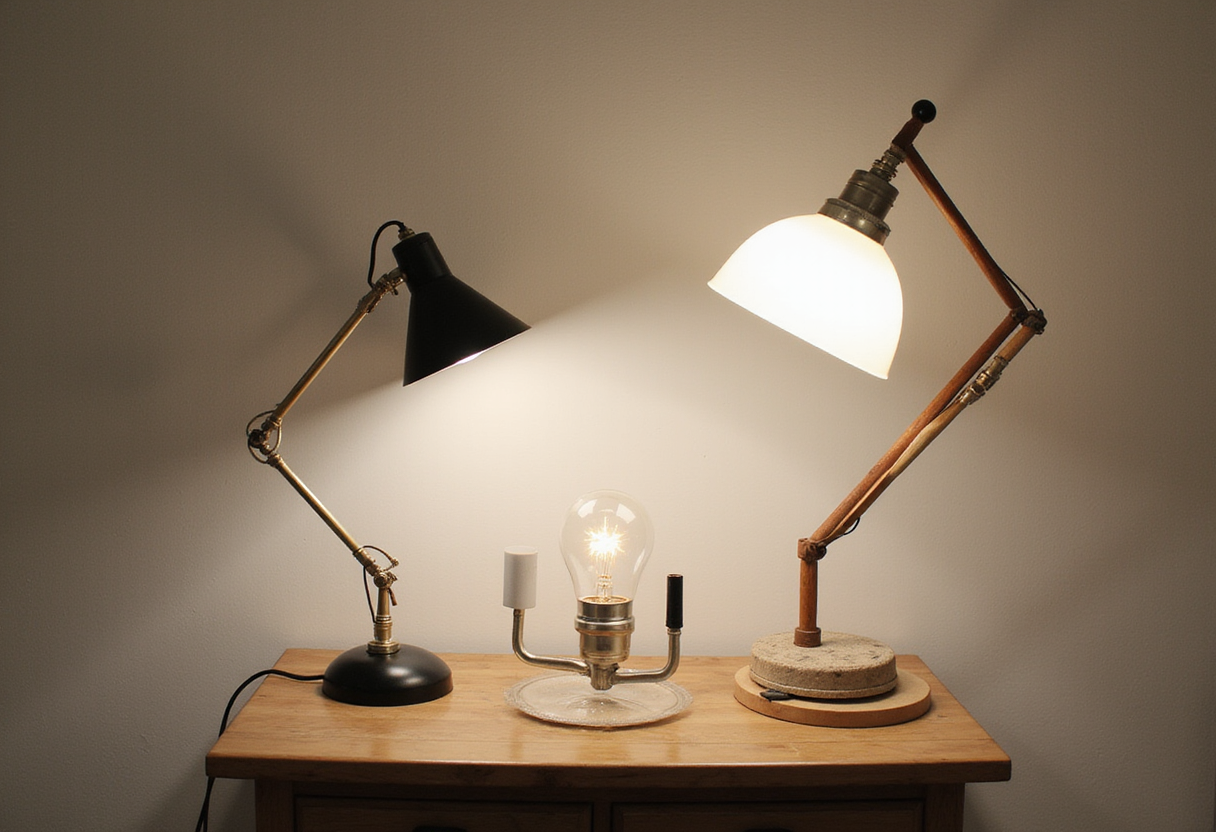
French designer Alexandre Veillon has turned three discarded objects — an orphaned glass shade, a shallow dish and a piece of mottled blue glass — into functional lamps, mounting each on new metal structures and leaving every screw and bracket visible.
The three designs, published by Yanko Design, work from a simple premise: give older objects a new job, then let their quirks become the reason you want them around. Veillon does not try to make the pieces look new again. He pairs them with brushed metal cylinders, clamps and curved supports that look decidedly contemporary.
The approach addresses a common problem for glassware and tableware. A shade loses its fixture; a plate no longer belongs to a set. Beautiful pieces can outlive the settings they were made for. Veillon's results, as the Yanko Design reviewer puts it, feel "less like rescued antiques and more like small, slightly eccentric characters you could actually live with."
What do the three lamps look like?
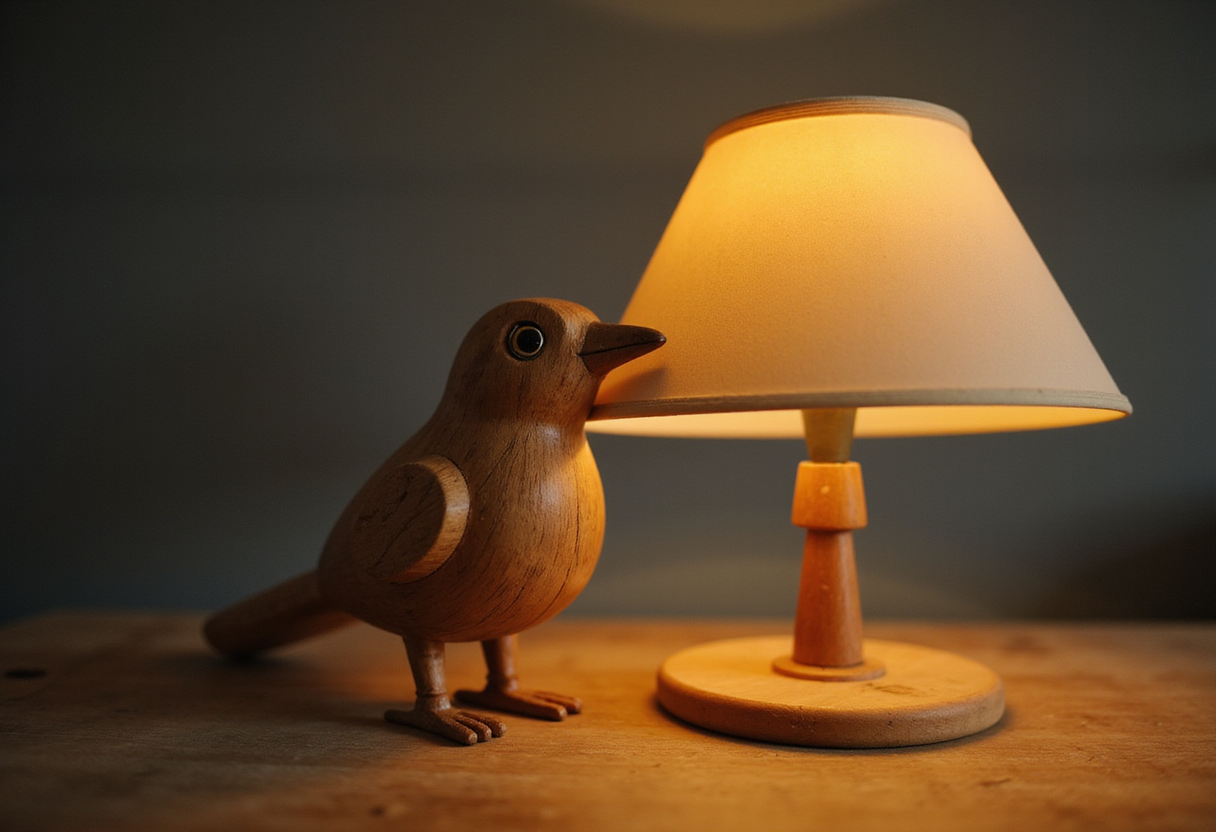
The pale green lamp is the most immediately striking of the group. Its glowing shade rises from a brushed-metal cylinder, with a soft, uneven edge held in place by conspicuous bolts and clamps. The reviewer compares it to "a flower pushing through a piece of machinery." Set against a dark tabletop, it holds the presence of a sculpture without needing a spotlight of its own.
The white design takes a quieter, stranger route. A shallow dish, almost like a dinner plate, hovers above its metal base. Light gathers in the recessed center, where a warm glow gives it the appearance of a candle viewed from across the table. In the photographs, a fork and knife sit nearby — the arrangement turns a familiar place setting into a gentle visual joke.
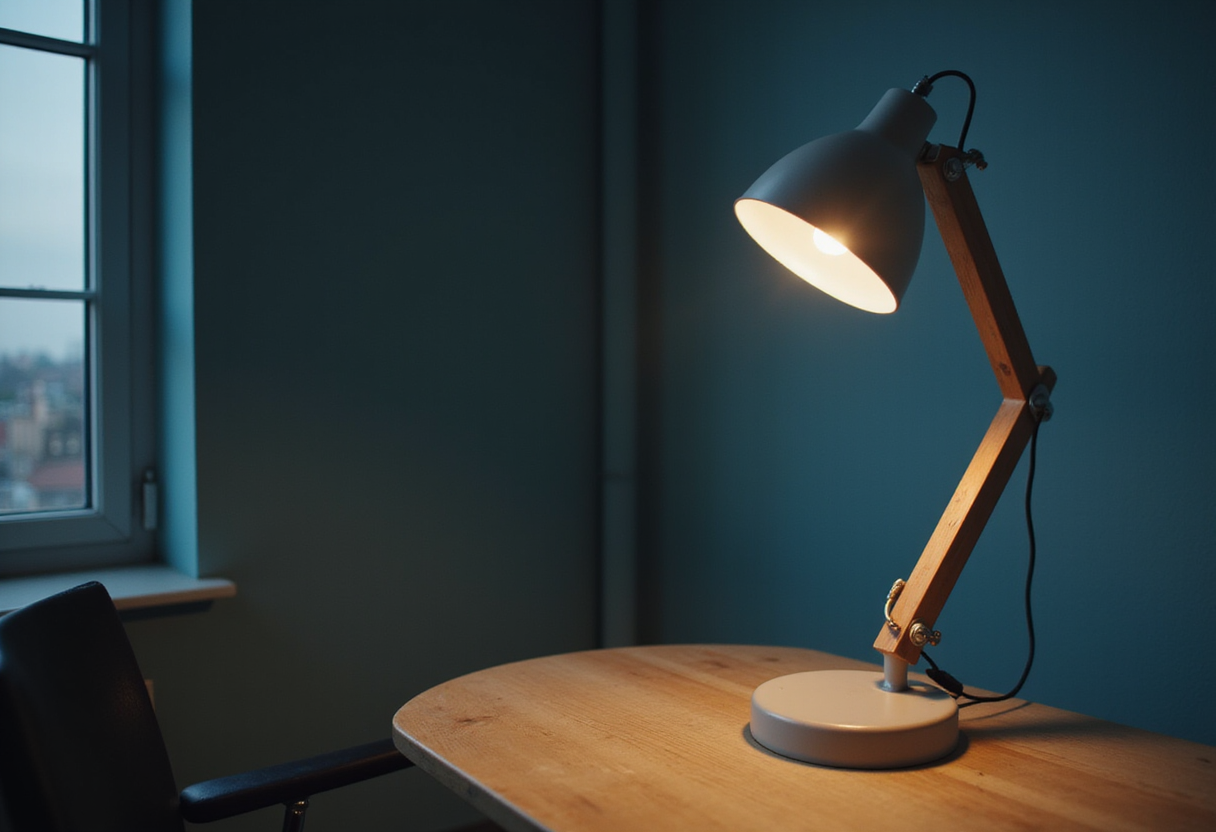
The blue lamp places mottled glass inside a cage of curved metal supports. The reviewer calls it "the most architectural of the group." Its cool color and cloudy texture make the glass look almost soft, while the brackets insist on its weight and fragility. On a ribbed metal surface, it reads like an artifact from an imaginary laboratory.
Why does Veillon leave the hardware exposed?
Across all three lamps, the joins stay visible. Screws, brackets and cylindrical bases are neither disguised as decoration nor hidden behind seamless finishes. That decision gives each piece a sense of having been assembled with intention, not manufactured to resemble an old object.
The distinction matters. Veillon's approach is about giving forgotten things a place again, rather than restoring them to some imagined original condition. Every exposed fastener makes that position legible.
Where do the lamps fit in a room?
These are not task lights. The review is explicit: they are not replacements for a bright desk lamp or the light you need when cooking dinner. Their appeal is atmospheric and personal. You might notice one while walking past, then stop to work out how its parts fit together.
The pieces also refuse the usual choice between sleek contemporary lighting and sentimental vintage decor. The green shade can be a little odd. The white dish can still resemble a dish. The blue glass does not need a perfectly smooth surface to earn its place in a room. Each object carries its history without asking you to decorate around it.
The reviewer's own placement logic: the green lamp for a living room, the white one for a dining space, the blue one for the corner that needs a little mystery. But the point is not picking a winner. Veillon has made three arguments for keeping imperfect, familiar objects in circulation — objects that give off light, and give a fresh reason to look at what might otherwise have been thrown away.
Original: instagram.com
More from Elena Vasquez
Show full bio
Senior reporter covering money, funding and market shifts around construction industry, architecture, interior design at Built Current.
126 articles