Five Mosques Win Al Fozan Award's Fifth Cycle
Mosques in Bangladesh, the UK, Oman, Niger and Indonesia win the Abdullatif Al Fozan Award's fifth cycle, themed The Living Mosque, with special recognition for projects in Saudi Arabia and Algeria.
- Section
- Architecture
- Author
- By Amara Osei
- Filed
- Length
- 2 min read
Key takeaways
- The Abdullatif Al Fozan Award announced five winners of its fifth cycle, covering 2023–2026.
- Winning projects are located in Bangladesh, the United Kingdom, Oman, Niger and Indonesia.
- Special Recognition Awards went to the Mohammed bin Salman Project (Saudi Arabia) and Djamaâ El-Djazaïr (Algeria).
- The international award was established in 2011.
- The fifth cycle's theme, The Living Mosque, frames the mosque as an urban center for community life.
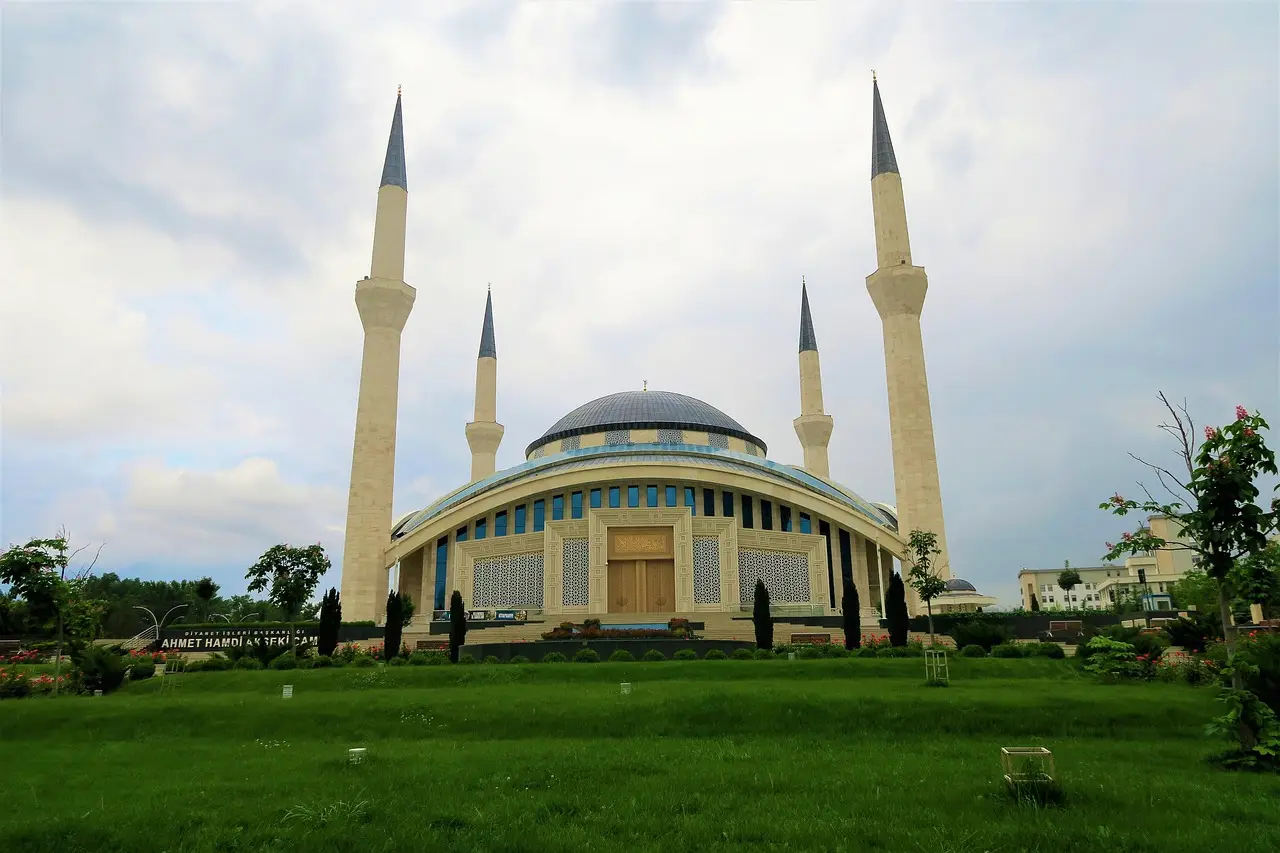
Mosques in Bangladesh, the United Kingdom, Oman, Niger and Indonesia have won the fifth cycle of the Abdullatif Al Fozan Award for Mosque Architecture, covering the 2023–2026 period. Two Special Recognition Awards went to the Mohammed bin Salman Project for Developing Historic Mosques in Saudi Arabia and to Djamaâ El-Djazaïr, the Great Mosque of Algiers, in Algeria.
That's a wide geographic spread. Five winning projects, five countries, three continents. The award, established in 2011, is international in scope and exists to recognize contemporary mosque design — buildings that answer changing community needs while holding on to the architectural heritage and principles of Islamic architecture.
What does "The Living Mosque" mean?
The fifth cycle runs under the theme The Living Mosque. The premise is simple and rather pointed: mosques should return to their original role as urban centers tied to the everyday life of their communities.
A place of worship, in this reading, is only part of the job. The award frames the mosque as a setting for social interaction, education, cultural identity and public life — not a monument you visit once a week. The theme asks a direct question: how can mosque architecture embrace contemporary challenges while preserving its spiritual, cultural and social significance?
That ambition shapes what the jury rewards. The award wants architectural approaches that connect traditional values with contemporary design and construction, rather than treating heritage and modernity as competing options.
What did the founder say?
Sheikh Abdullatif Al Fozan, the award's founder, framed the problem in his own words:
"Throughout the years, we have witnessed the rise of numerous mosques around the world, adding to the global landscape of Islamic architecture. Yet, with the rapid growth of cities and the complexity of modern life, mosque architecture has faced significant challenges."
Rapid urban growth, complex modern life, significant challenges. The diagnosis is blunt. So is the implied prescription: keep building mosques, but build them as working parts of the city rather than detached objects.
Why the special recognitions matter
The two Special Recognition Awards sit slightly apart from the five main winners. The Mohammed bin Salman Project for Developing Historic Mosques in Saudi Arabia addresses the heritage side of the equation — the conservation of historic buildings. Djamaâ El-Djazaïr, the Great Mosque of Algiers, brings the same attention to Algeria.
Together with the five contemporary winners, they sketch the award's full position: new mosques in Bangladesh, the United Kingdom, Oman, Niger and Indonesia on one side, and the preservation of historic Islamic architecture on the other.
What comes next
With the 2023–2026 cycle now decided, the award's sixth round inherits a clear brief — mosques that behave like public institutions, not just prayer halls. Whether the next cycle's entrants treat that as a design constraint or a design opportunity will be the thing to watch.
Original: alfozanaward.org
More from Amara Osei
Show full bio
Market editor covering companies, deals and strategy in construction industry, architecture, interior design at Built Current.
380 articles