Sharjah’s Architecture Triennial and 18 City Attractions
Sharjah’s 2023 Architecture Triennial focused on adaptability and scarcity within a guide to 18 historic and contemporary attractions in the UAE emirate.
- Section
- Architecture
- Author
- By Elena Vasquez
- Filed
- Length
- 3 min read
Key takeaways
- The guide’s stated scope covers 18 contemporary and historical attractions in Sharjah.
- The 2023 Sharjah Architecture Triennial was scheduled from November 11, 2023, to March 10, 2024.
- Tosin Oshinowo curated the Triennial, themed “The Beauty of Impermanence: An Architecture of Adaptability.”
- The guide names Foster + Partners, Zaha Hadid Architects, 51-1 Arquitectos and Hopkins Architects among contemporary architects.
- The named historic landmarks are King Faisal Mosque, the Museum of Islamic Civilization and the Sharjah Art Museum.
By Elena Vasquez
The Sharjah City Guide identifies 18 contemporary and historical attractions, and the 2023 Sharjah Architecture Triennial was scheduled from November 11, 2023, to March 10, 2024.
Across that nearly four-month run, the Triennial’s stated theme was “The Beauty of Impermanence: An Architecture of Adaptability.” Under curator Tosin Oshinowo, its program explored innovative design solutions emerging from conditions of scarcity in the Global South, according to the guide.
How does the Triennial fit Sharjah’s cultural role?
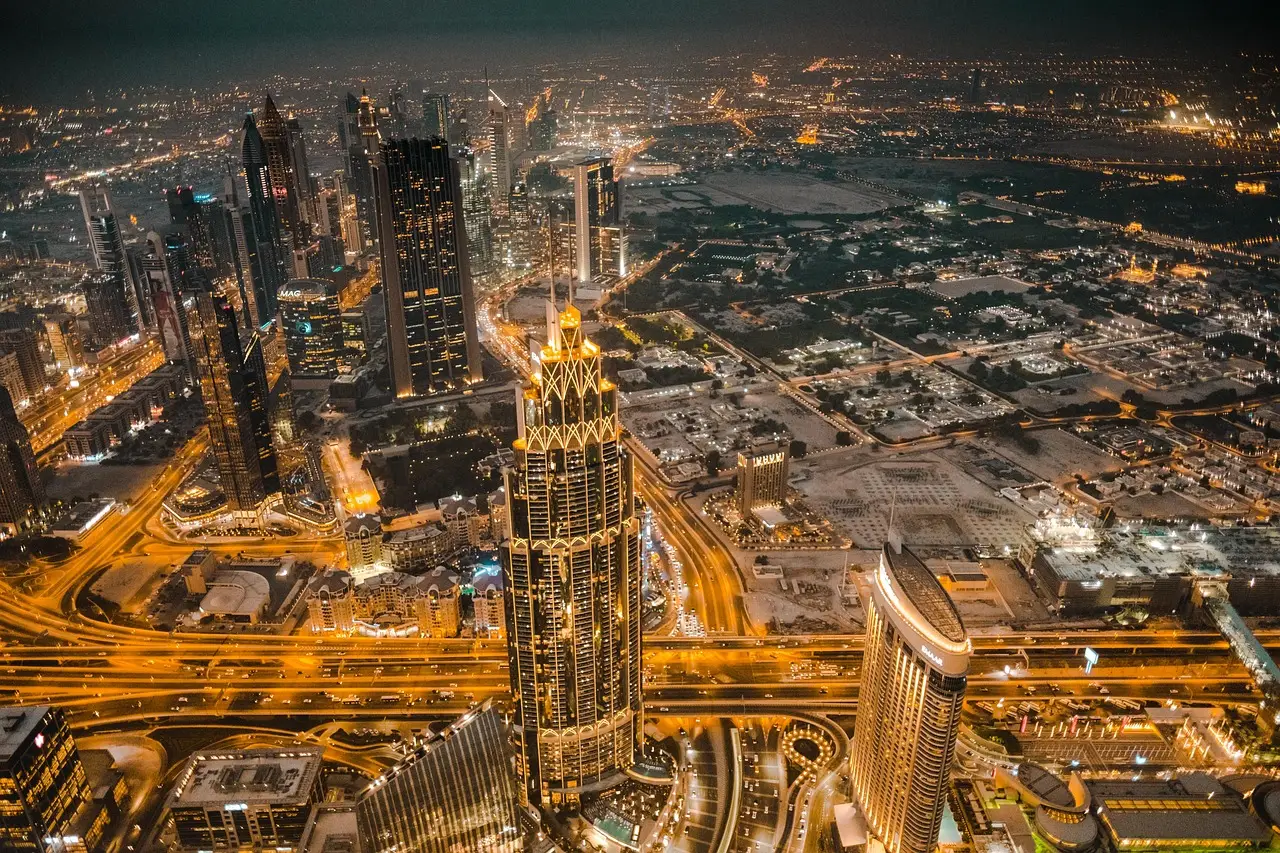
The guide places Sharjah, a territory in the United Arab Emirates, on the Arabian coastline. It describes the city as a cultural hub blending tradition with contemporary modernity, backed by three priorities:
- Preserving rich history.
- Promoting arts and culture.
- Providing a platform for creative and intellectual pursuits.
The guide treats old Sharjah as a living embodiment of historical tradition and says the district has been transformed into useable attractions and art facilities. That conversion gives the historic city an active cultural role, not merely a preserved image.
What do the museums add?
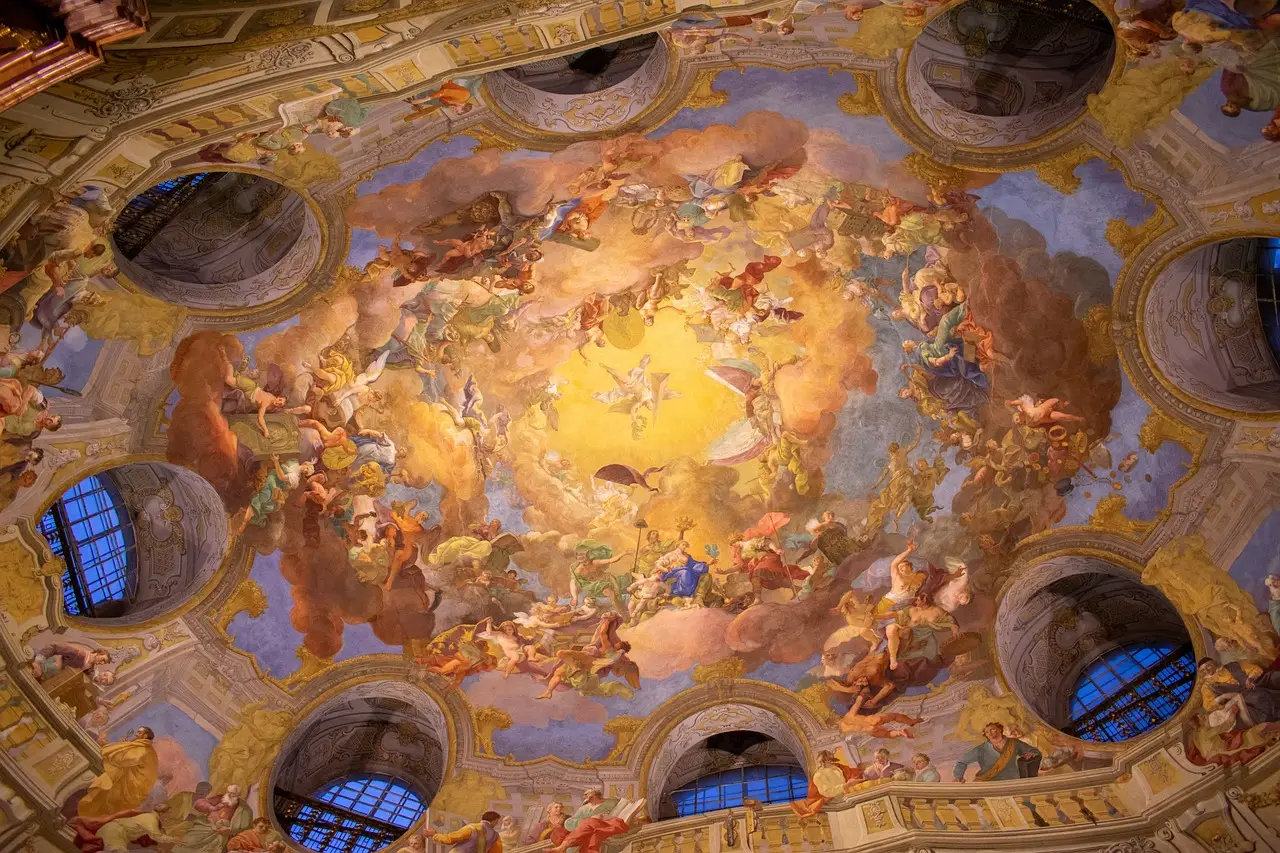
The guide says Sharjah’s museums take visitors through multiple timelines, from Islamic civilization to traditional lifestyles. Their role is interpretive as well as architectural: they organize a complex cultural history through cultural spaces.
Sharjah’s position as a hotspot for emerging designers adds a contemporary layer to that museum network. The guide also describes the city as a leading patron of fine arts, linking preservation with active support for new creative practice.
Which architects and landmarks define the city?
The guide names four practices among the many architects designing contemporary attractions:
- Foster + Partners
- Zaha Hadid Architects
- 51-1 Arquitectos
- Hopkins Architects
It does not attach a specific building to each firm. Instead, the list establishes a broad design presence within a city already structured around museums, arts promotion and cultural access.
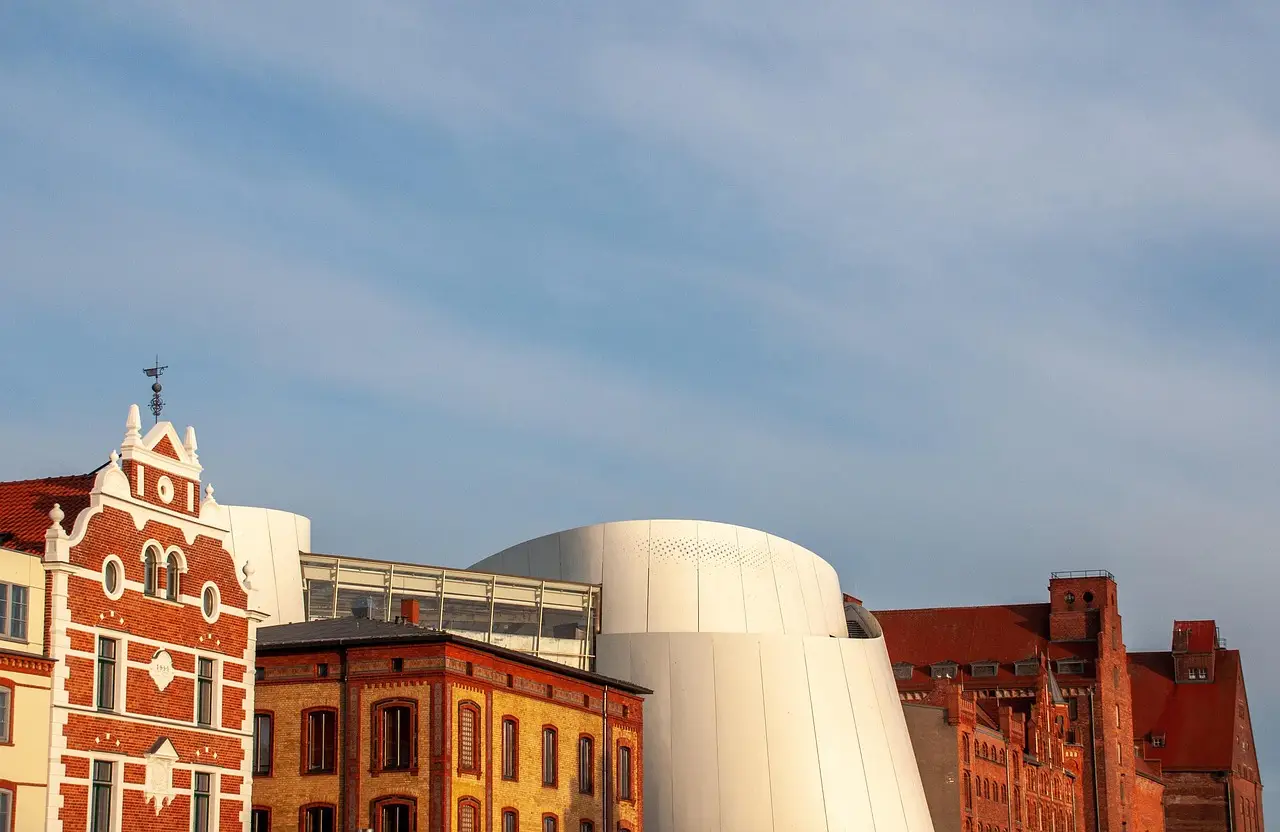
Three historic landmarks receive more specific attention. The guide identifies the King Faisal Mosque as modernist and also names the Museum of Islamic Civilization and the Sharjah Art Museum within old Sharjah. Those three sites give the stated 18-attraction scope its clearest mix of modernism, history and art.
Why does “impermanence” matter for Sharjah?
Oshinowo’s focus on scarcity makes the theme a design test, not just a curatorial label. The guide frames the inquiry around innovative solutions emerging from scarcity in the Global South, connecting scarce resources to architectural adaptability.
That mechanism gives the guide’s architecture story two scales: a time-limited program examining change, and established cultural places that have changed function. One asks how design can adapt; the other records what institutions have adapted and put to use.
The guide builds its case from the dates, theme, curator, institutional landmarks and Sharjah’s wider support for design, rather than a project-by-project catalogue of Triennial installations. For visitors, the program was positioned as a way to compare approaches to adaptability with old Sharjah’s conversion into attractions and art facilities.
Its evidence pairs three explicitly named landmarks with four architecture practices. The 2023 Triennial therefore sets a practical benchmark for Sharjah’s next cultural projects: design must deepen public access while preserving the historic fabric that gives the emirate its identity.
Source: ArchDaily
More from Elena Vasquez
Show full bio
Senior reporter covering money, funding and market shifts around construction industry, architecture, interior design at Built Current.
354 articles