Experimental Group opens 82-room Experimental Roma in a former bank
Experimental Group opens its largest hotel: 82 rooms in a former 19th-century bank off Via Veneto, designed over three years by Rodolphe Parente with a Fellini-inflected palette. Rooms from €350.
- Section
- Interiors
- Author
- By Priya Raman
- Filed
- Length
- 4 min read
Key takeaways
- Experimental Roma has 82 rooms in a former 19th-century bank off Via Veneto, Rome; rooms from €350, breakfast excluded.
- Rodolphe Parente led the design over a three-year project with full creative freedom.
- Art program curated with Maurizio Faraoni includes Cy Twombly works and photos of Christo and Jeanne-Claude's 1974 wrapped Aurelian Walls.
- Restaurant Ludovisi e Cadore is led by Italian chef Giovanni Passerini with Roman dishes like trippa alla romana.
- It is Experimental Group's largest and most ambitious project across France, Spain, the UK, the US and Italy.
By Priya Raman
Experimental Group has opened its largest project to date: the 82-room Experimental Roma, set in a 19th-century former bank off Via Veneto in Rome's Ludovisi district. Paris-based architect and interior designer Rodolphe Parente received carte blanche on the three-year design. Rooms start at €350, breakfast excluded.
The French hoteliers built their name running cocktail bars in Paris before expanding into restaurants and boutique hotels across France, Spain, the UK, the US and Italy. Experimental Roma is their most ambitious venture — and possibly their finest.
What does the design actually deliver?
Parente's brief was to marry an imposing Umbertine-style building with a young, irreverent brand. He kept the institutional DNA — decorative scrolls, a fortress-style doorway — and stripped the stuffiness.
"We really wanted to preserve Roman style and create a place that felt Roman, without being a cliché. Rome is elastic, it's many things. It's a huge museum, but you've also got real life inside the city. So in everything we did, the criterion was always the same: affinity with the city, and the ability to resonate with the spaces and create an emotion in a contemporary way, not like a 'pastiche'", Parente said.
He spent extended periods in Rome over three years, walking, looking and collecting pieces. Cinema drove the concept: Fellini's La Dolce Vita, filmed nearby on Via Veneto, for its blurred line between life and spectacle; Pier Paolo Pasolini's working-class Rome; Paolo Sorrentino's La Grande Bellezza for its overwhelming beauty.
"I never translated a scene literally. It was about carrying an atmosphere, so that the hotel feels as if it had always been there and you could imagine American actors from the 1950s sipping a Negroni at the wood-panelled bar", Parente said.
The palette is hot and Roman: ochres, oranges, terracotta, changing every few metres. Doorway arches and ceiling cornices evoke Palazzo Altemps. Bas-reliefs and sculptures in the lobby conjure Ancient Rome. A chrome-tubing chandelier comes straight from the 1970s, and a cluster of globe lights in the restaurant mimics paparazzi camera flashes.
Parente worked with Rome-based curator Maurizio Faraoni on the art program. Cy Twombly works hang in the junior suite, rooted in the artist's connection to Rome. Framed photographs document Christo and Jeanne-Claude's 1974 fabric-wrapping of the Aurelian Walls at Porta Pinciana, near Via Veneto.
What are the rooms like?
The 82 rooms differ in shape and size, but share one design language. Almost everything was designed by Parente's studio and made in Italy.
Key details:
- Red and orange draped headboards, inspired by the Stanza degli Uccelli in Villa Medici
- Gold domed uplights referencing ancient Rome
- Vanity tables with 1970s disco-effect metal fringing in the bathrooms
- Bespoke Formica wardrobe-bars, a nod to Ettore Sottsass's postmodern designs
- Gold-polished bedside tables reminiscent of Gabriella Crespi's sculptural furniture
Room 216, on the second floor, looks onto the Swiss Institute's neon installations and palm trees. For outdoor space, book the Junior Suite with balcony or the Deluxe Terrace Room.
Where do you eat and drink?
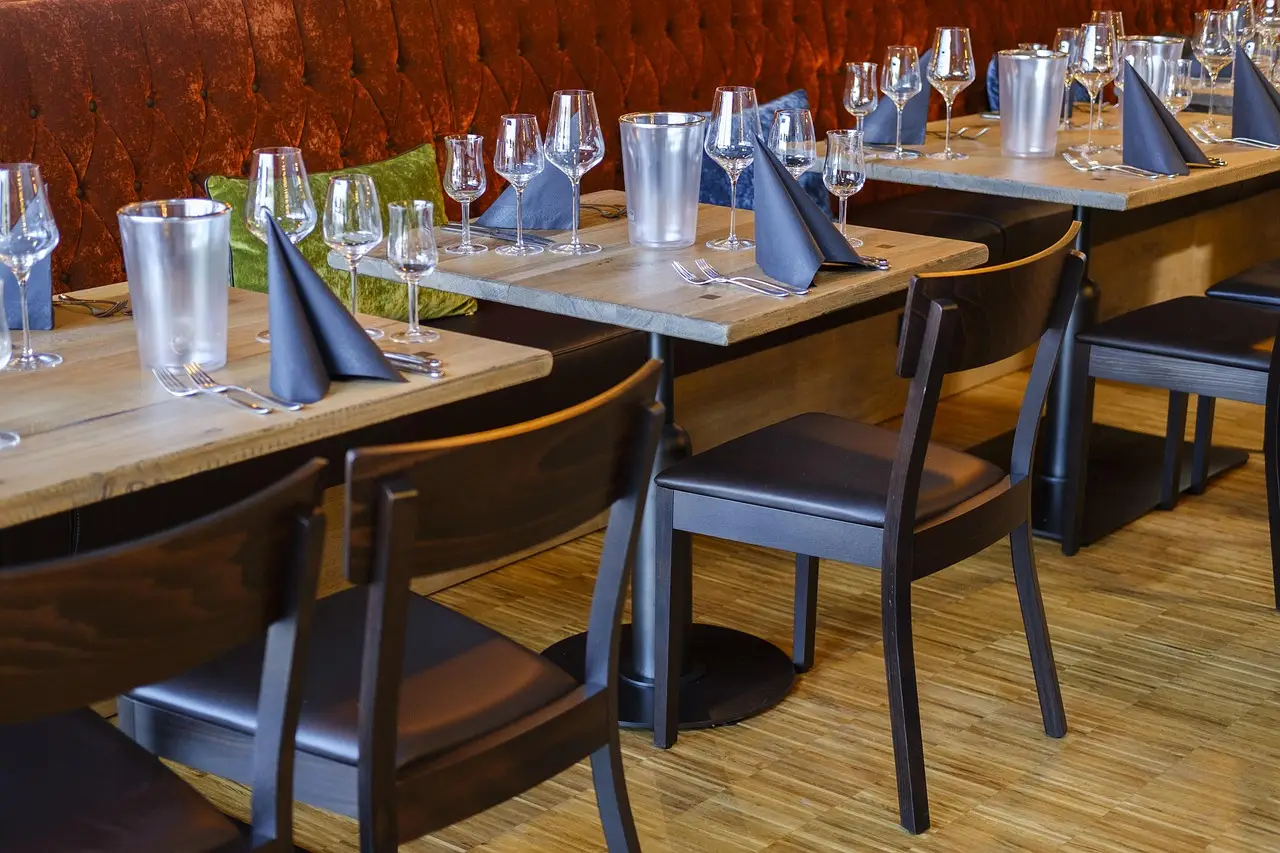
The restaurant, Ludovisi e Cadore, has banquette seating, marble tables and gilded lamps — a film-set atmosphere. Chef Giovanni Passerini's menu runs unmistakably Roman: trippa alla romana (tripe in tomato sauce), fettuccine ai regaje (pasta with giblet ragù), beef tartare with chips, amberjack with sesame and citrus. The shorter, cheaper lunch menu includes fried artichokes with mint sauce and 'mi cuit' mackerel with escarole and mustard vinaigrette.
The Experimental Cocktail Club sits to the left of the entrance steps: velvet lounges, marble tables, draped curtains. Signatures include Experience No. 1 — Puglian vodka, elderflower cordial, lemon juice, basil and lemongrass. Bartender Luca Leone will improvise to taste. Local wines, French champagne and ales round out the list. Snacks include buttered fried bread with Cantabrian anchovies and tomato-and-mozzarella supplì rice balls.
In spring and summer, the rooftop garden terrace opens with a pool, cream sunbeds, striped parasols, and views toward Villa Borghese and the Colosseum.
The verdict
The bold mix of colours and styles is perfectly calibrated. It's distinct without being overwhelming — a triumph of vision. Via Veneto is five minutes' walk one way, the Spanish Steps ten minutes the other; the Trevi Fountain and Pantheon sit 15 minutes away on foot. Experimental Roma, at Via Ludovisi 46, positions Experimental Group's irreverent brand squarely inside Rome's formal hotel establishment.
Original: google.com
More from Priya Raman
Show full bio
News editor covering people, launches and day-to-day practice in construction industry, architecture, interior design at Built Current.
376 articles