Cities Are Rethinking Their Canals as Public Space, Not Infrastructure
Urban canals impose their geometry on cities rather than following the land, and as cities invest in restoring them, architects are gaining a new kind of engineered waterfront to build against.
- Section
- Urbanism & Planning
- Author
- By Grace Kim
- Filed
- Length
- 2 min read
Key takeaways
- Urban canals are narrow, linear, engineered landscapes whose edges are defined by retaining walls, embankments, bridges, walkways, mooring points, and docks.
- Canals historically served transportation, trade, manufacturing, and industry before declining into pollution and neglect.
- Cities are now investing in waterway restoration, pedestrian accessibility, and public spaces.
- The shift moves canals from utilitarian infrastructure toward recreation and connection.
Urban canals don't behave like rivers, and that difference is quietly reshaping how architects design along their banks. Where rivers follow a landscape's contours and shape the land around them, canals impose their own geometry, cutting straight lines through the urban fabric and redefining the relationship between buildings and water, according to an analysis of engineered waterways and urban design.
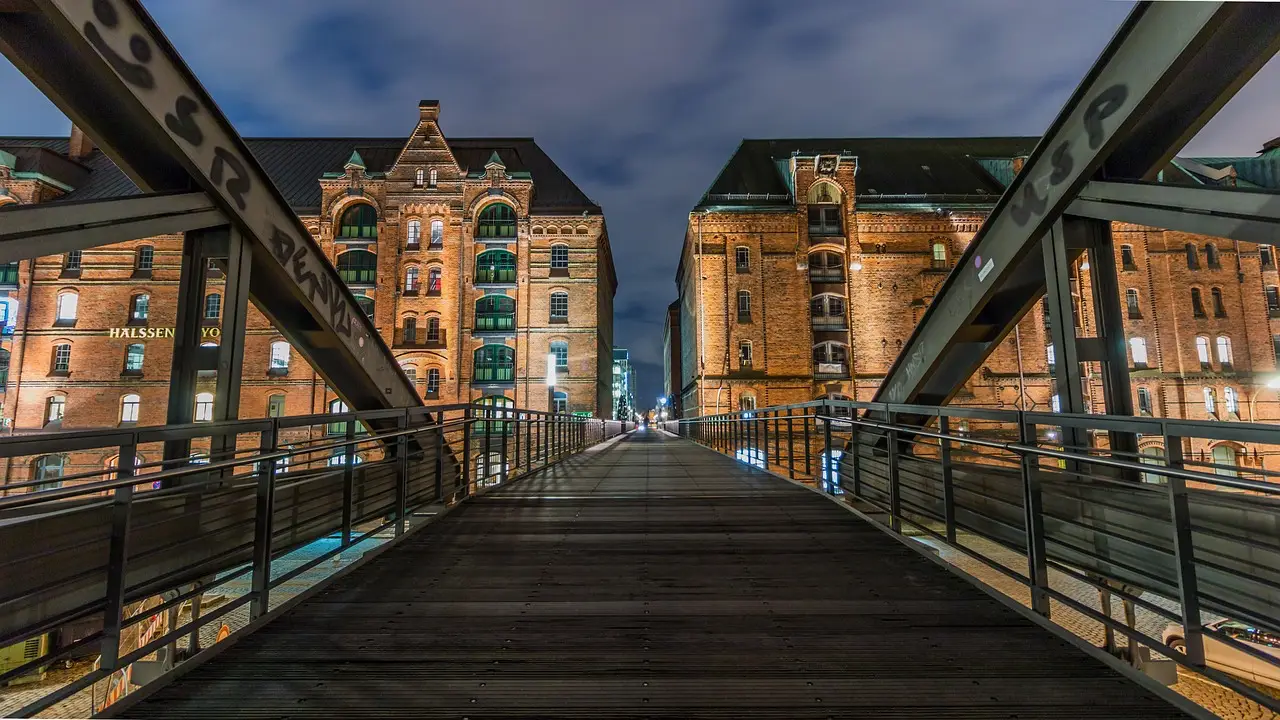
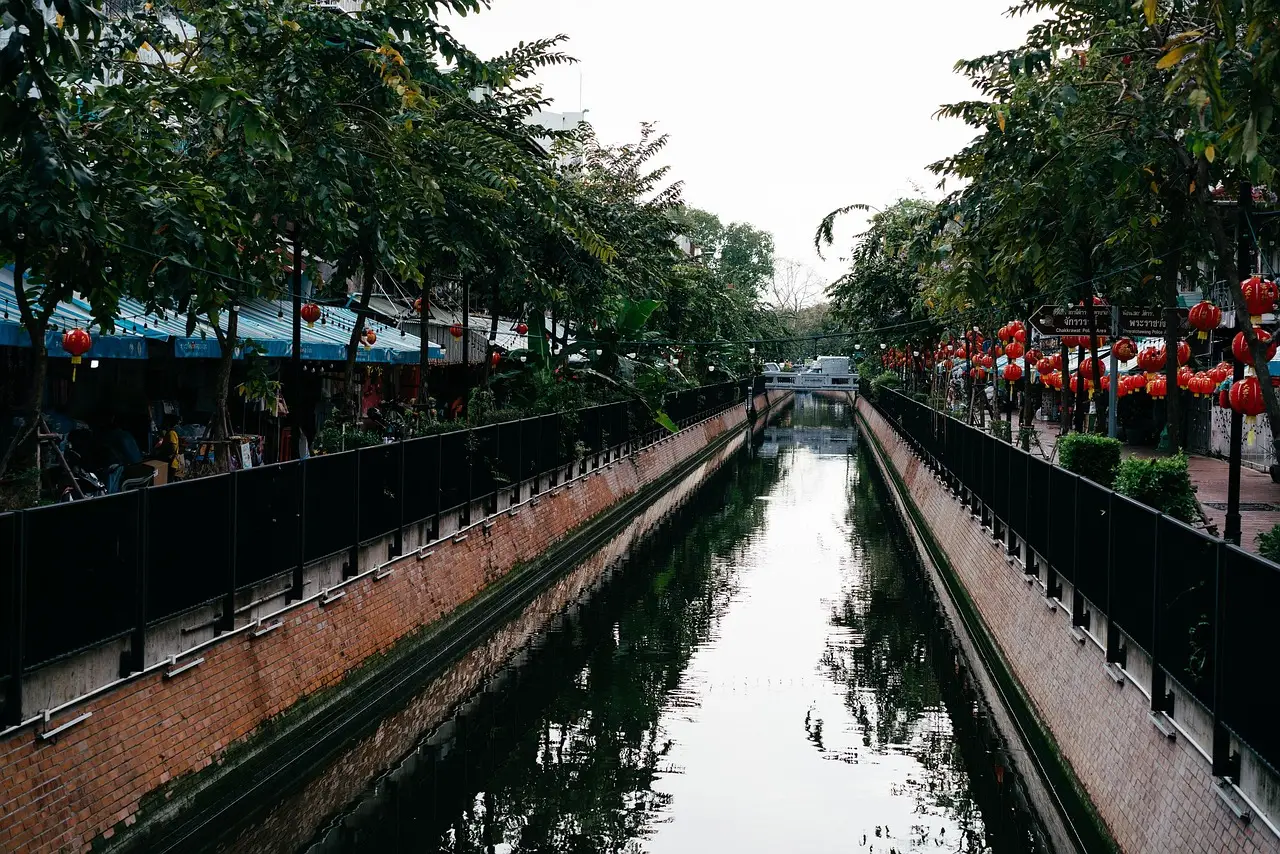
Unlike open coastlines or the edges of natural lakes, a canal is a narrow, linear, engineered landscape. Its edges are hard and clearly defined. Retaining walls, embankments, and the infrastructure that supports movement along and across the water — bridges, pedestrian walkways, mooring points, and docks — establish a distinctive relationship between the waterway and its context. The result, the analysis argues, is an urban environment where the boundary between water and architecture isn't implied or approximate. It's built, legible, and realized.
What changed to put canals back on planners' agendas?
For most of their working lives, these waterways were corridors of transportation, trade, manufacturing, and industry. When those early functions declined, many urban canals became associated with pollution, neglect, and underutilized industrial land. In some cities, people avoided the waterways altogether — the canal stopped being part of the city and became something to route around.
That's changing. A growing appreciation for urban blue infrastructure is transforming the canal's role in the city. Investments in waterway restoration, pedestrian accessibility, and public spaces are reintroducing canals as environmental and social assets rather than back-of-house logistics channels. The shift is one of identity: from utilitarian infrastructure to places of recreation and connection.
What does this change for architecture?
The lesson the analysis draws is geometric as much as programmatic. Because a canal's edge is engineered rather than natural, the architecture that meets it can be equally deliberate. The linear, channelized form gives designers a continuous, clearly bounded frontage to work with — unlike a soft shoreline or a sprawling waterfront — where retaining walls, bridges, and mooring infrastructure already set the rhythm of movement and enclosure.
The practical stakes are high for cities still carrying legacy industrial waterways. Restoration spending on access and public space is what converts a neglected cut in the urban fabric into a connective corridor, and the trajectory the analysis describes suggests more cities will treat their engineered waterways as frontage worth building toward rather than edges to turn away from.
Source: ArchDaily
More from Grace Kim
Show full bio
Staff writer covering money, funding and market shifts around construction industry, architecture, interior design at Built Current.
418 articles