Anduril and US Navy to build $6.6B Arsenal-2 shipyard in Maryland
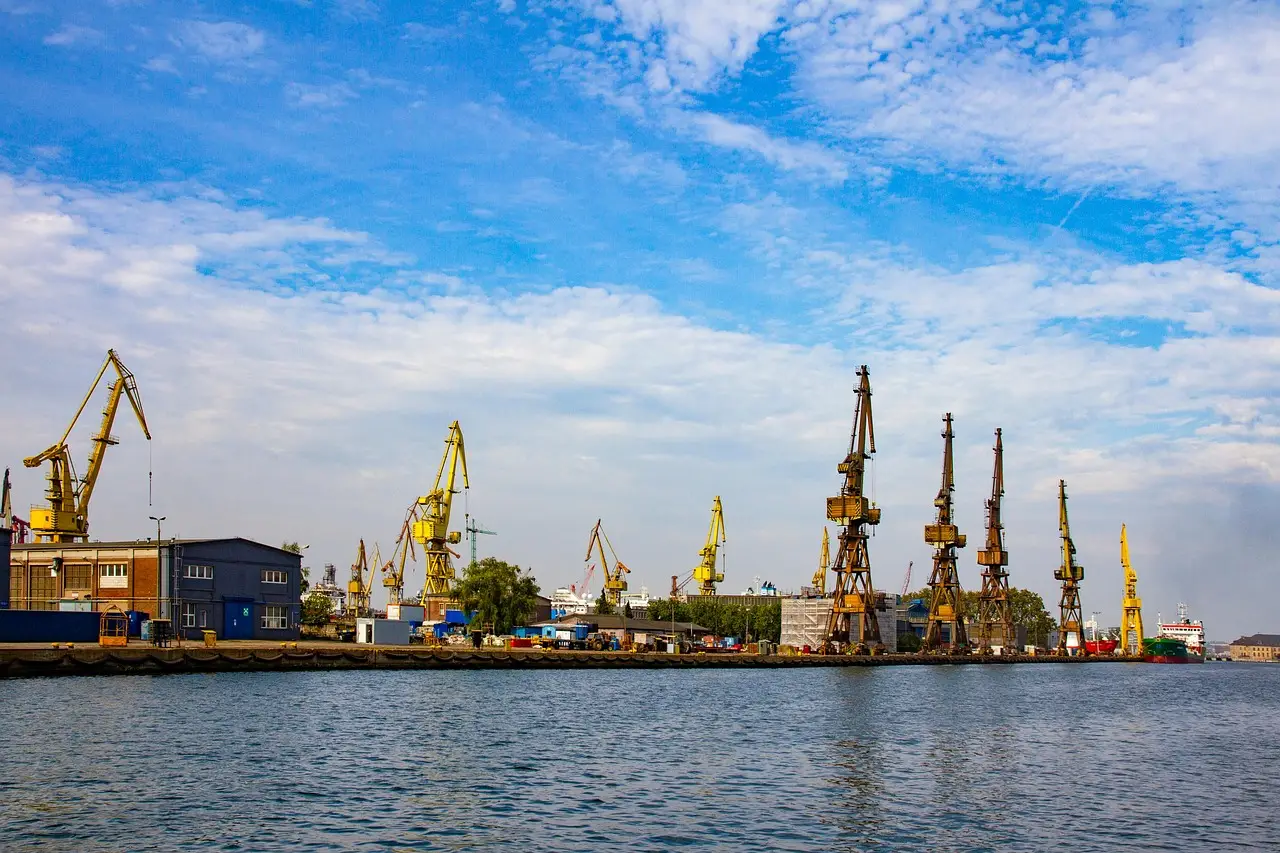
Anduril and the U.S. Navy will spend $6.6 billion on Arsenal-2, a two-million-square-foot shipyard at the Port of Baltimore making Virginia-class submarine components from 2030.
- Section
- Construction
- Author
- By Elena Vasquez
- Filed
- Length
- 3 min read
Key takeaways
- Anduril and the U.S. Navy will spend $6.6 billion on the Arsenal-2 shipyard at the Port of Baltimore.
- The two-million-square-foot facility will create over 3,100 jobs by 2034, with operations online in 2030.
- Anduril invests $3.7 billion; the Navy funds $2.9 billion through a contract with production-based payments.
- The 187-acre site will manufacture Virginia-class submarine components.
- Project Meridien, co-directed by Anduril co-founder Palmer Luckey, was announced days earlier by Defense Secretary Pete Hegseth.
Anduril Industries and the U.S. Navy will spend $6.6 billion to build a software-run shipyard within the Port of Baltimore in Maryland, the companies announced Tuesday.
The facility, dubbed Arsenal-2, will span two million square feet and manufacture components for Virginia-class submarines to refit the Navy's fleet. The project will create over 3,100 jobs by 2034, according to the press release.
Permitting and site preparation will "begin immediately." Construction starts once Anduril receives the required approvals, and operations are anticipated to come online in 2030.
Who pays what?
Anduril will invest $3.7 billion of the total. The remaining $2.9 billion comes through a Navy contract, with payments issued based on production outcomes.
The shipyard will occupy a 187-acre site designed for "high-volume, high-precision production of undersea naval capabilities." Anduril plans to scale production gradually as it builds the workforce, supplier base, infrastructure and production rate required for submarine output.
What does the software do?
Anduril's software platform, ArsenalOS, will digitally run the shipyard and its production systems. It connects fabrication workflows, outfitting sequences, material movement, inspection protocols and documentation requirements in one system.
The company says the platform will deliver greater consistency and give workers and managers real-time visibility into Arsenal-2's manufacturing process.
Why did Anduril say yes to submarines?
The partners began discussions more than two years ago about whether Anduril could assist the Navy's submarine enterprise "in a larger way," company co-founder and CEO Brian Schimpf said Tuesday at a press conference featuring President Donald Trump.
Anduril's initial answer was no — despite its work on autonomous aircraft, missiles and the software connecting them.
"Even our most advanced systems sit at a different order of complexity than the Virginia-class submarine," Schimpf said.
The company kept returning to what Schimpf called the "submarine challenge" because the underlying problem was too important to abandon.
"The more time that Anduril spent learning about the industrial-based challenges, the clearer the need became to us," Schimpf said. "The country requires substantially more places where submarine components can be built."
How did Anduril prepare?
Anduril worked with the Navy and companies across the submarine industrial base — including General Dynamics subsidiary Electric Boat, which holds a multibillion-dollar Navy contract for Virginia-class attack submarines, and Huntington Ingalls at its Newport News, Virginia, shipyard — to learn how the production system operates.
"We wanted to know where the most persistent constraints exist and where a new industrial player could make a meaningful contribution," Schimpf said. "We also started testing what we were learning. We stood up a proto factory in California, where our teams are already proving new manufacturing approaches and developing components for the Virginia-class program."
What is the Pentagon connection?
The announcement comes days after Defense Secretary Pete Hegseth announced six initiatives to shift the agency's strategy. One of them, Project Meridien, will identify the capabilities required to enhance DOD's battlefield technologies.
DOD Chief Technology Officer Emil Michael is overseeing the initiative, which will be co-directed by Anduril co-founder Palmer Luckey, Elon Musk and Newt Gingrich, according to a memo. Project Meridien will shape how the Pentagon fields new technology — and Arsenal-2 positions Anduril as a central industrial player in that push.
Original: techtarget.com
More from Elena Vasquez
Show full bio
Senior reporter covering money, funding and market shifts around construction industry, architecture, interior design at Built Current.
425 articles