Suffolk Deploys Robots, Drones and AI on Gilead's $847M Research Center
Suffolk Construction completed Gilead's Foster City research center using OpenSpace, Dusty Robotics, Kaya AI and Alice Technologies on the $847 million campus expansion.
- Section
- Construction Tech
- Author
- By Marcus Bennett
- Filed
- Length
- 2 min read
Key takeaways
- Gilead has invested $847 million in expanding its Foster City, California campus.
- Suffolk used four contech tools: OpenSpace, Dusty Robotics, Kaya AI and Alice Technologies.
- Suffolk Technologies, the contractor's investment arm, holds a stake in Kaya AI.
- Suffolk's Jobsites of Future initiative will embed AI engineers across its project portfolio.
- The facility's movable interior panels allow lab reconfiguration without demolition.
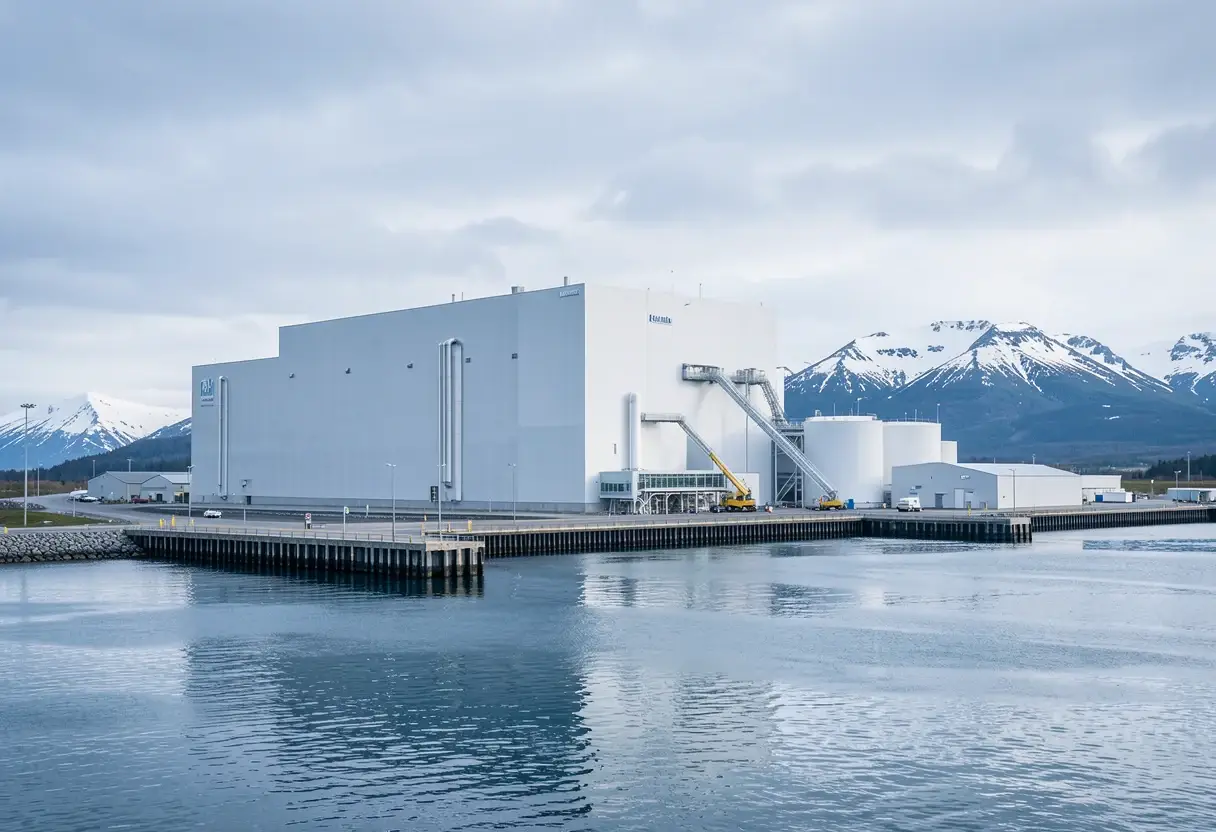
Suffolk Construction has completed Gilead Sciences' Research Center in Foster City, California, a project that forms part of an $847 million expansion of the biotech firm's campus.
The Boston-based builder confirmed completion in a Tuesday announcement. Gilead has invested $847 million into expanding its Foster City campus, according to a 2025 announcement from Governor Gavin Newsom.
To deliver the life sciences facility, Suffolk leaned on a stack of construction technology covering documentation, layout, procurement and scheduling. The tools named in the announcement:
- OpenSpace — 360-degree cameras and drone applications for progress tracking and visual documentation.
- Dusty Robotics — a robot that automates the layout process on site.
- Kaya AI — real-time lead tracking for procurement management. Suffolk Technologies, the investment arm of Suffolk Construction, has invested in the firm.
- Alice Technologies — construction sequencing analysis. Other contractors, including San Antonio-based Zachry Construction, have used the platform to streamline schedules and answer common questions about crews and jobsite efficiency.
What the technology changes for contractors
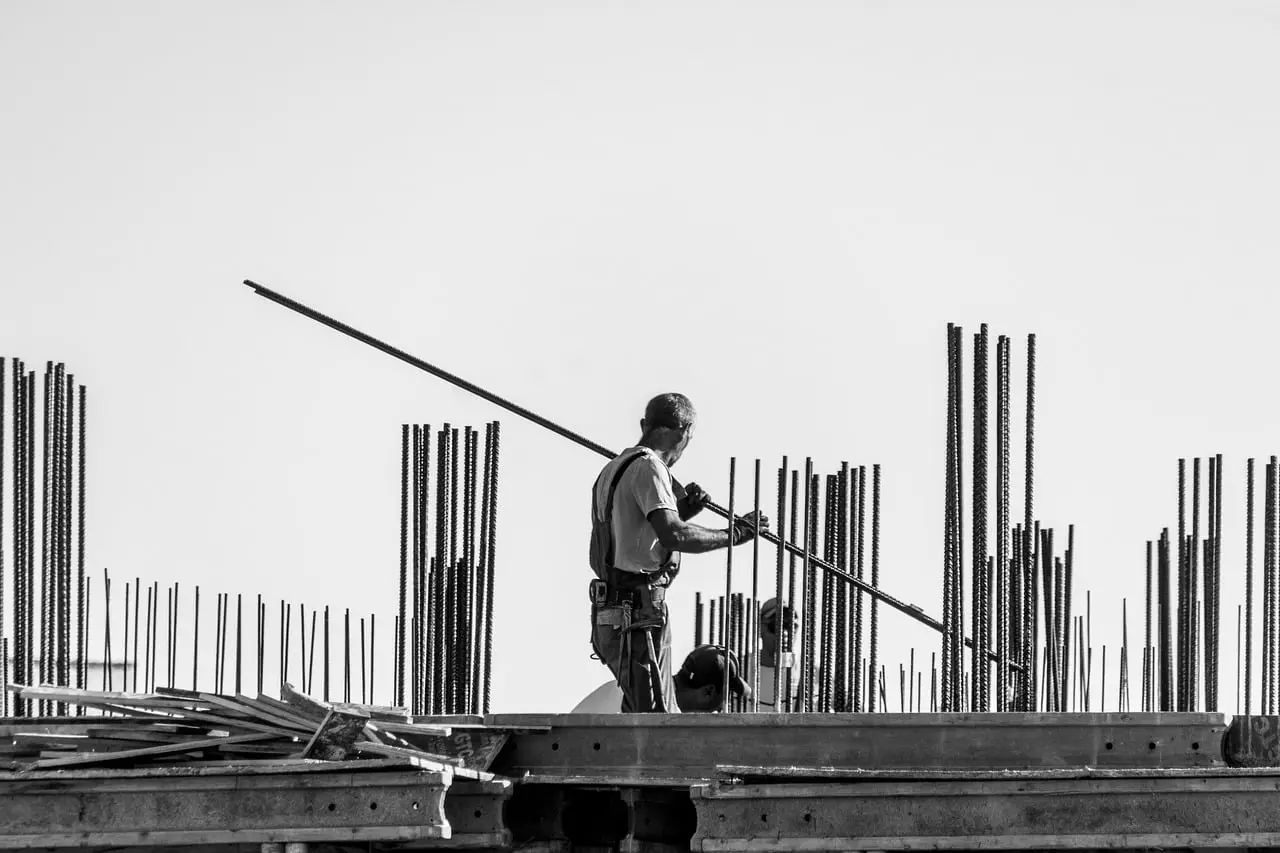
The mix matters for practitioners. Each tool attacks a distinct cost center: OpenSpace replaces manual photo documentation walks, Dusty Robotics removes the chalk-line layout crew, Kaya AI compresses procurement follow-up, and Alice Technologies tests schedule sequences before crews mobilize.
Suffolk's reliance on the stack is not incidental. The contractor has long emphasized jobsite technology, and its venture arm, Suffolk Technologies, holds a stake in Kaya AI — meaning the builder profits when the procurement tool it deploys succeeds in the market.
The firm recently went further. Its Jobsites of Future initiative will embed artificial intelligence engineers across Suffolk's entire portfolio of work, moving AI expertise from the corporate office onto active projects.
A building designed to change
Suffolk worked with Gilead to make the research center adaptable, allowing the space to shift as the company's research needs evolve. The facility features movable interior panels that let Gilead reconfigure laboratories without demolition, plus additional power, data and laboratory connections sized for future research and technology.
"Our experience delivering complex research facilities, combined with our data- and technology-driven approach, allowed us to provide the precision and future flexibility needed for a facility that can evolve alongside Gilead's scientific mission and support its critical research for years to come," said Preston Hoopes, general manager of Northern California at Suffolk, in the news release.
Why it signals a shift
The project demonstrates how far contech adoption has moved beyond pilots. A single $847 million life sciences build now runs on coordinated robotics, drone imaging, AI procurement tracking and algorithmic sequencing — with a general contractor that both deploys and finances the tools.
For contech vendors, the message is sharper still: Suffolk's Jobsites of Future plan implies sustained demand for engineers who can implement AI on live jobsites, not merely sell software licenses.
Source: Construction Dive
More from Marcus Bennett
Show full bio
Correspondent covering money, funding and market shifts around construction industry, architecture, interior design at Built Current.
374 articles