1,650m Al Khaleej Street Tunnel opens with 12,000 vehicles per hour
Dubai's RTA opened the 1,650m Al Khaleej Street Tunnel. Three lanes each way provide capacity for 12,000 vehicles per hour within a 13km corridor serving Deira and major developments.
- Section
- Urbanism & Planning
- Author
- By Elena Vasquez
- Filed
- Length
- 3 min read
Key takeaways
- Al Khaleej Street Tunnel spans 1,650m and has three lanes in each direction.
- The tunnel has a combined capacity of 12,000 vehicles per hour.
- The 13km Al Shindagha corridor includes 15 intersections and is expected to serve about one million people.
- Construction logged nearly 11m work hours, with no injuries reported.
- RTA reused 77% of approximately 522,000 cu m excavated, with 2,200 personnel and 350 equipment pieces supporting the work.
By Elena Vasquez
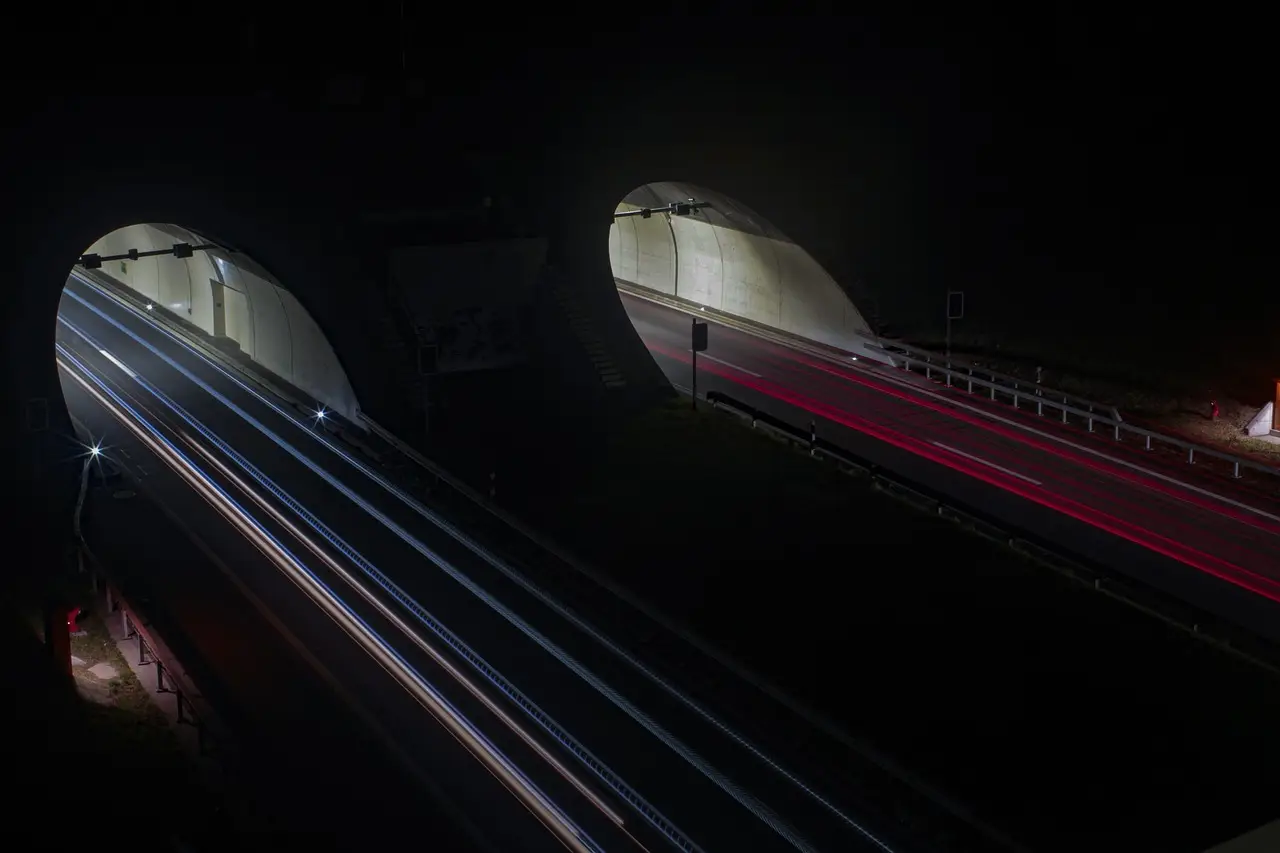
Dubai's RTA has opened the 1,650m Al Khaleej Street Tunnel, with three lanes in each direction and a combined capacity of 12,000 vehicles per hour.
RTA says the tunnel runs from the end of the Infinity Bridge ramp in Deira to the intersection of Al Khaleej Street and Al Wuheida Street. It identifies the tunnel as an integral component of the Al Shindagha Corridor Development Project, which extends 13km along Sheikh Rashid Road, Al Mina Street, Al Khaleej Street and Cairo Street.
RTA described the opening as another milestone in the Al Shindagha Corridor Improvement Project. The agency tied the launch to Dubai's leadership directives to continue developing the road network as the emirate experiences rapid urban and population growth.
How does the tunnel fit the wider corridor?
RTA says the wider project includes 15 intersections and serves residential areas and major developments, including Dubai Islands, Dubai Waterfront, Dubai Maritime City and Port Rashid. The agency estimates that the corridor will serve approximately one million people.
RTA says the tunnel should improve traffic flow, strengthen links between homes, shops and major developments, and make travel easier for residents and visitors. The agency also expects the work to support economic activity and quality of life around Deira.
Mattar Al Tayer, RTA Director General, linked the tunnel to Deira's rapid urban and commercial expansion. “The tunnel represents a significant addition to Deira’s road network,” he said. He cited new residential and tourism destinations in Abu Hail, Al Wuheida and Al Mamzar, alongside Dubai Islands, Waterfront Market and Al Hamriya Port.
Al Tayer said: “The project will enhance traffic flow along Al Khaleej Street, provide free-flowing traffic for motorists travelling from Infinity Bridge towards Deira and Al Mamzar and vice versa, and strengthen connectivity between residential areas, commercial centres and tourist destinations.” He said the tunnel would also improve access for residents and visitors, enhance the area's appeal, support economic and commercial activity, and improve quality of life.
How much work went into the tunnel?
RTA reported nearly 11m work hours since construction began. It said the project maintained the highest occupational safety standards and recorded no injuries.
The authority said 2,200 engineers, technicians and workers contributed to the works. They were supported by 350 pieces of heavy and light equipment and machinery deployed across the construction sites.
RTA estimated excavation at approximately 522,000 cu m and said 77% had been reused in projects run by the authority and other entities. Put another way, about three in every four cubic metres excavated found a second use.
The agency linked this reuse to resource efficiency, less construction waste and sustainable construction practices.
What does the opening signal?
Al Tayer described the wider programme as one of Dubai's major strategic road infrastructure projects. He said the work reflects RTA's commitment to completing key road corridors, integrating the road network and delivering sustainable traffic solutions for rising vehicle volumes. He also said it supports Dubai's objective of a safe, seamless and sustainable mobility system.
With 12,000 vehicles per hour of stated capacity, the tunnel gives RTA a clear performance benchmark. The link must sustain free-flowing traffic as Deira's residential, tourism and commercial expansion raises demand. RTA estimates that the wider corridor will serve approximately one million people, making the tunnel's operation a practical test of whether the infrastructure can match local growth.
Source: meconstructionnews.com
More from Elena Vasquez
Show full bio
Senior reporter covering money, funding and market shifts around construction industry, architecture, interior design at Built Current.
354 articles