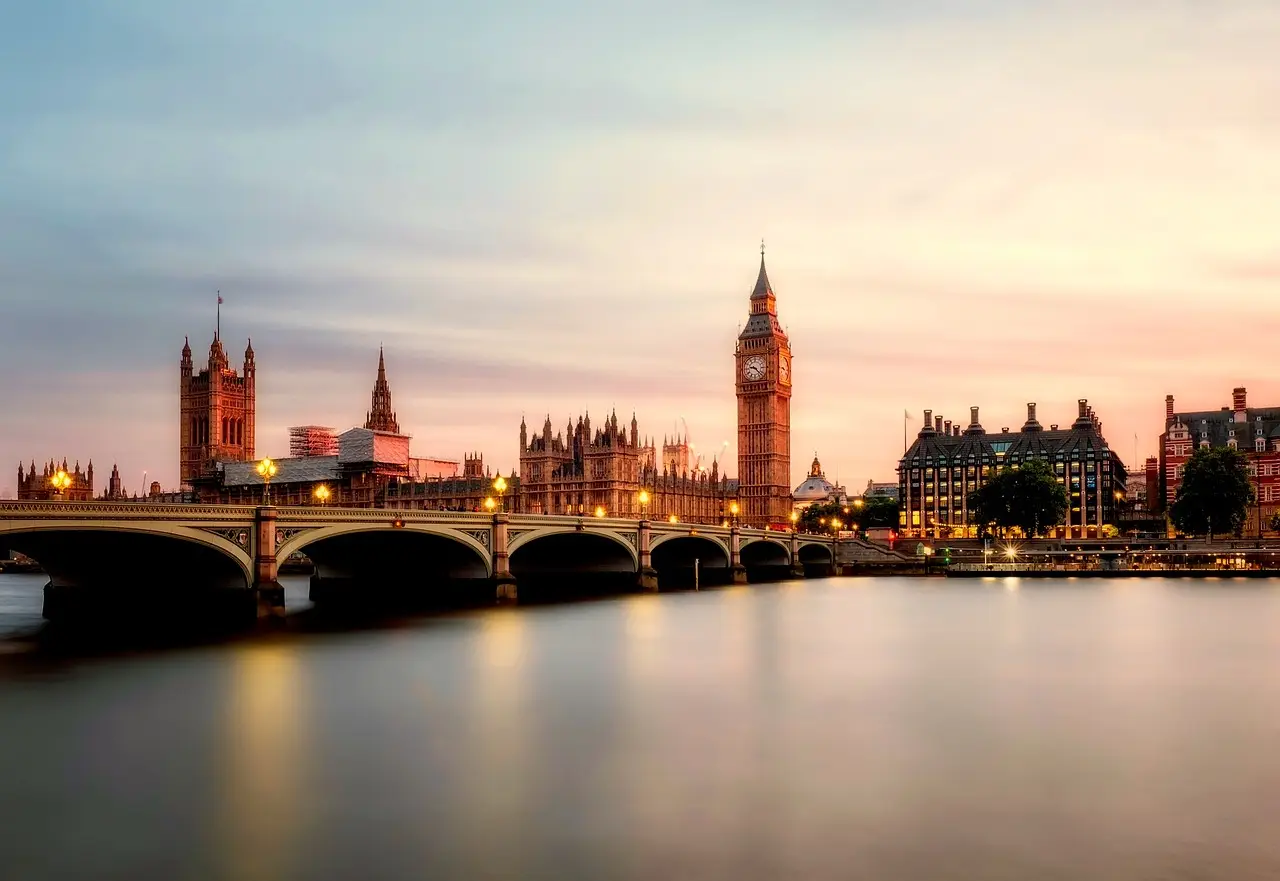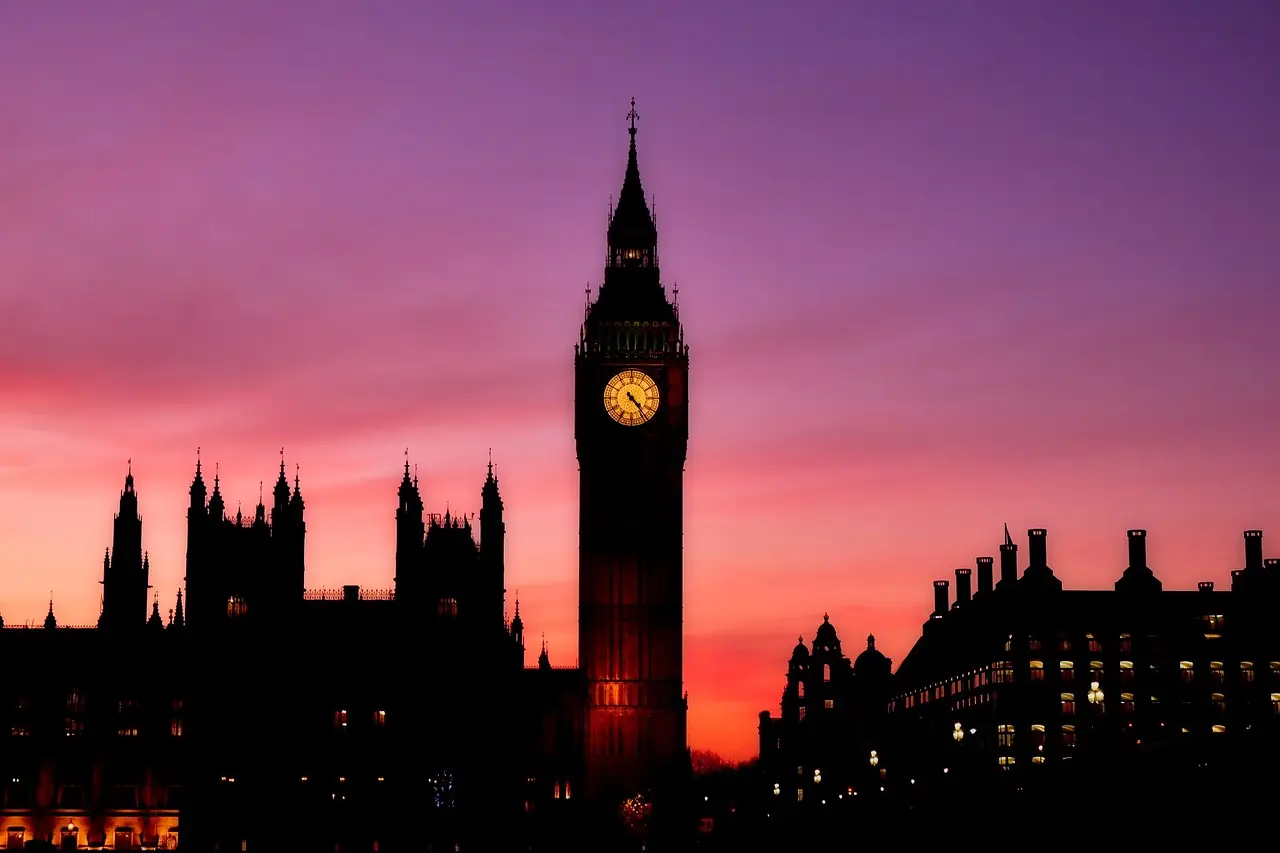
Westminster restoration slips two years before MPs' crunch vote
MPs' temporary Westminster home won't be ready until 2034 at the earliest, and the PAC says each year of delay adds £420m to the restoration bill.
- Section
- Renovation & Retrofit
- Author
- By Elena Vasquez
- Filed
- Length
- 3 min read
Key takeaways
- MPs' temporary home on the Northern Estate won't be ready until 2034 at the earliest, versus a 2032 target
- Every year of decision delay adds up to £420m to the lifetime bill, the PAC warns
- MPs vote by end of 2026 on a £3bn opening works package; final delivery route chosen in 2030
- Full move-out costs £11.1bn–£15.6bn over 19–24 years; phased option costs up to £39.2bn over 61 years
- Weekly maintenance bill set to rise from £1.5m to £2m as safety risks mount
Parliament's Restoration and Renewal programme has slipped two years before MPs have even voted on how to deliver it. The temporary home needed to move MPs out of the Palace of Westminster won't be ready until 2034 at the earliest, against an original full move-out target of 2032.
The Public Accounts Committee (PAC) warns that every year spent delaying a decision adds up to £420m to the programme's potential lifetime bill. That's roughly £8m a week in added exposure while politicians weigh their options.
What has caused the two-year delay?
MPs and peers are expected to vote by the end of 2026 on a £3bn opening works package and on narrowing the restoration options down to two. The final delivery route gets chosen in 2030.
But refurbishment of MPs' planned temporary accommodation on the Northern Estate is already held back by three things:
- heritage approvals
- space for site facilities
- budget pressures
The watchdog demanded the work be accelerated so it stops holding up the wider restoration.
PAC chair Sir Geoffrey Clifton-Brown pulled no punches. "There has long been a political allergy to gripping the nettle that is R&R," he said. "I would urge all those who believe a decision on how should proceed should be further delayed to digest the figures in our report, showing each kick of the can down the road costs hundreds of millions in public money."
What about the Lords' new home?
The Lords' proposed move to the QE2 Conference Centre faces its own problems. Acquisition of the building is dragging on. If Parliament's debate slips beyond late 2026, expiring procurement frameworks could add another nine to 12 months of delay.
Where does the £3bn first phase stand?
Major packages within the £3bn first phase still have no price tag. Riverside security, relocation of building services and restoration of the medieval cloister court all remain uncosted. A £500m unallocated pot has to cover these works and provide additional contingency.
The opening phase covers temporary accommodation, enabling works, planning and design, plus procuring a strategic partner.
How much could the whole job cost?
The numbers explain why the vote matters. Moving both Houses out completely is estimated at £11.1bn–£15.6bn over 19–24 years. A phased alternative, with more limited moves, would cost £19.5bn–£39.2bn and stretch over 38–61 years — in the worst case, longer than the Palace has stood since the 1834 fire era rebuild.
While Parliament weighs its options, the weekly maintenance bill is expected to rise from £1.5m to £2m as safety risks mount. That's £100m a year just keeping the building standing.
What does the watchdog want?
The PAC has set out four demands:
- One integrated plan covering both restoration and temporary accommodation
- Firm estimates for the outstanding first-phase packages
- Contractor input through an assessment of competitive dialogue procurement
- Simpler governance to speed up decisions and control costs
With the end-2026 vote approaching, the £420m-per-year cost of indecision now hangs over every month of drift.
Source: Construction Enquirer
More from Elena Vasquez
Show full bio
Senior reporter covering money, funding and market shifts around construction industry, architecture, interior design at Built Current.
248 articles