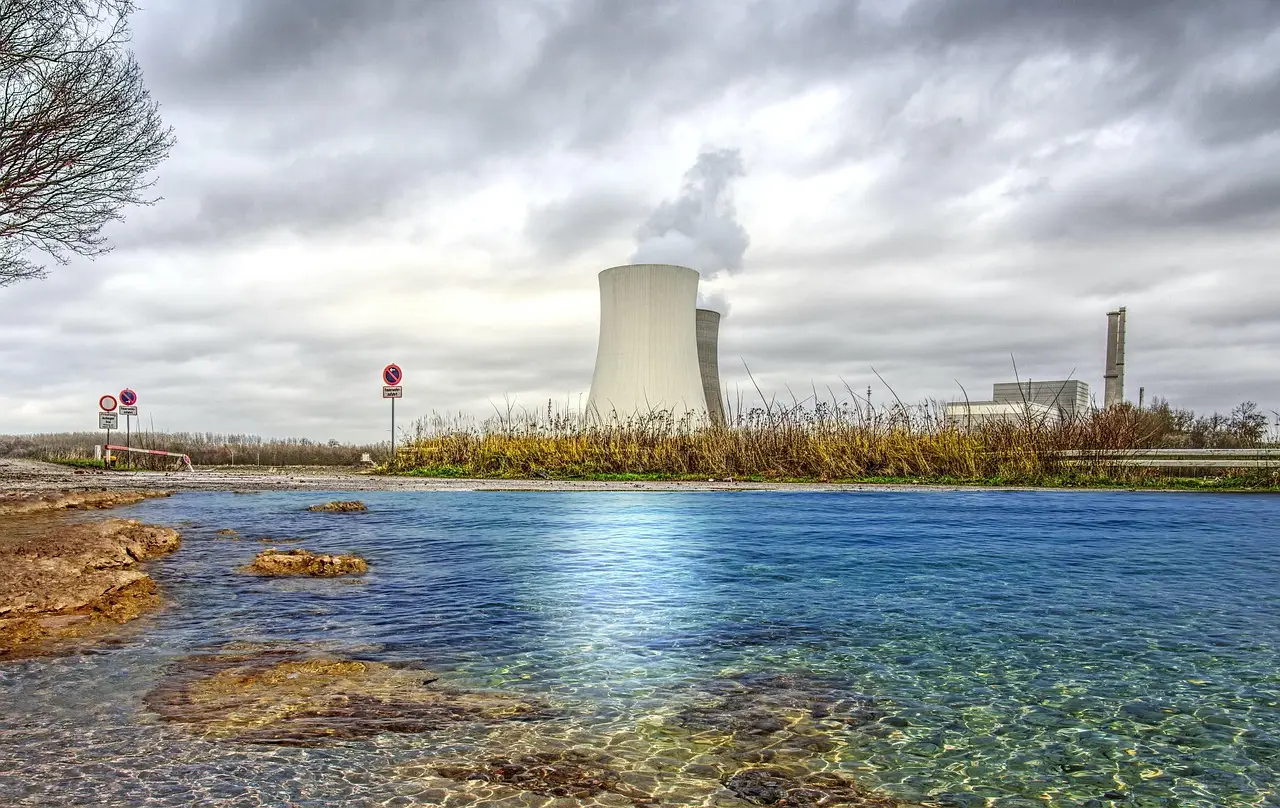
MPs call cost controls on £47.7bn Sizewell C nuclear project inadequate
The Public Accounts Committee calls annual reports on the £40.5bn–£47.7bn Sizewell C project "totally inadequate" as consumers face £21.8bn in extra costs.
- Section
- Construction
- Author
- By Elena Vasquez
- Filed
- Length
- 3 min read
Key takeaways
- Sizewell C construction costs are estimated at £40.5bn–£47.7bn, with completion expected between 2039 and 2043
- If costs rise to £47.7bn, consumers pay an extra £9.8bn during construction and £12bn over 60 years of operation
- The PAC called annual progress reports "totally inadequate" and wants six-monthly updates
- Sizewell C's design is expected to be 85% the same as Hinkley Point C's
- Sizewell C has a target of spending 70% of its construction budget in the UK
Taxpayers and consumers would pay an extra £21.8bn if Sizewell C's construction costs rise from £40.5bn to £47.7bn — while private investors would only need to stump up £30m more in cash. That asymmetry sits at the heart of a scathing Public Accounts Committee report demanding tighter oversight of the £40.5bn–£47.7bn nuclear project.
The committee branded current plans for annual progress reports to Parliament "totally inadequate". It wants updates every six months instead, covering actual and forecast costs, changes to the construction timetable, and progress against key milestones.
The reports should also reveal the expected impact on energy bills and investor returns, alongside findings from independent technical advisers.
Why do report gaps matter?
MPs warned that gaps between reports could leave emerging construction risks hidden for longer — and problems get more expensive to fix the later they surface. They also demanded immediate notification if cost or completion forecasts become unreliable, or if significant design changes threaten the budget or programme.
Construction is expected to finish between 2039 and 2043. But the committee flagged a sobering precedent: no comparable nuclear power station anywhere in the world has been built on time and to budget.
The Government is betting on a more mature design and lessons carried over from Hinkley Point C to break that record. Sizewell C's design is expected to be 85% the same as the completed Hinkley design. MPs still called the project highly complex, with substantial uncertainty over costs and delivery.
Who carries the risk?
The funding deal leaves the Government with a minority shareholding, while taxpayers and consumers provide most of the money and bear most of the risk.
If costs hit the £47.7bn upper estimate:
- Private investors contribute just £30m more in cash
- Consumers pay an extra £9.8bn during construction
- Consumers pay a further £12bn over the plant's 60-year operating life, in real terms, through energy bills
Those payments would cover the additional construction cost plus higher payments to lenders and shareholders. Investors' annual returns would fall by up to 1.6 percentage points — but would remain above 10%. MPs questioned whether the deal provides strong enough incentives to control costs.
The committee also warned that a delivery company majority owned by private investors could constrain the Government's ability to intervene directly. Ministers are relying on government representatives on the company's boards to protect the public interest. MPs said they were less confident this influence would always be sufficient.
What did the PAC chair say?
PAC chair Sir Geoffrey Clifton-Brown said: "The high level of risk borne by taxpayers and consumers for the construction of Sizewell C is extraordinary. Private investors look set for significant returns on their investments, while customers are likely to be saddled with higher energy bills."
He added: "The government must focus on the successful delivery of this project, not just of a new nuclear power station, but of a commercially derisked nuclear sector for a taxpayer that should never be put in this position again."
The committee wants ministers to spell out how they will protect taxpayers and consumers, and to strengthen the link between investor returns, delivery performance and financial risk on future nuclear schemes.
MPs also demanded safeguards to ensure Sizewell C meets its target of spending 70% of its construction budget in the UK — and that associated jobs stay in the country.
Source: Construction Enquirer
More from Elena Vasquez
Show full bio
Senior reporter covering money, funding and market shifts around construction industry, architecture, interior design at Built Current.
201 articles