Westminster asbestos tally rises 500 since 2021, survey gaps exposed
Parliamentary surveys have raised the known asbestos tally across the Palace of Westminster and wider estate to more than 1,650 items, exposing survey gaps.
- Section
- Renovation & Retrofit
- Author
- By Grace Kim
- Filed
- Length
- 4 min read
Key takeaways
- More than 1,650 known asbestos items are recorded across the Palace of Westminster and wider parliamentary estate.
- The tally has risen by 500 since 2021, despite 700 items being removed over five years.
- The planned refurbishment could cost up to £40bn and take 61 years.
- Almost 200 items are medium risk under Health and Safety Executive guidance; most are low risk.
- The Supreme Court confirmed the mesothelioma claims trigger in 2012 litigation Durham v BAI (Run Off) Ltd.
By Grace Kim
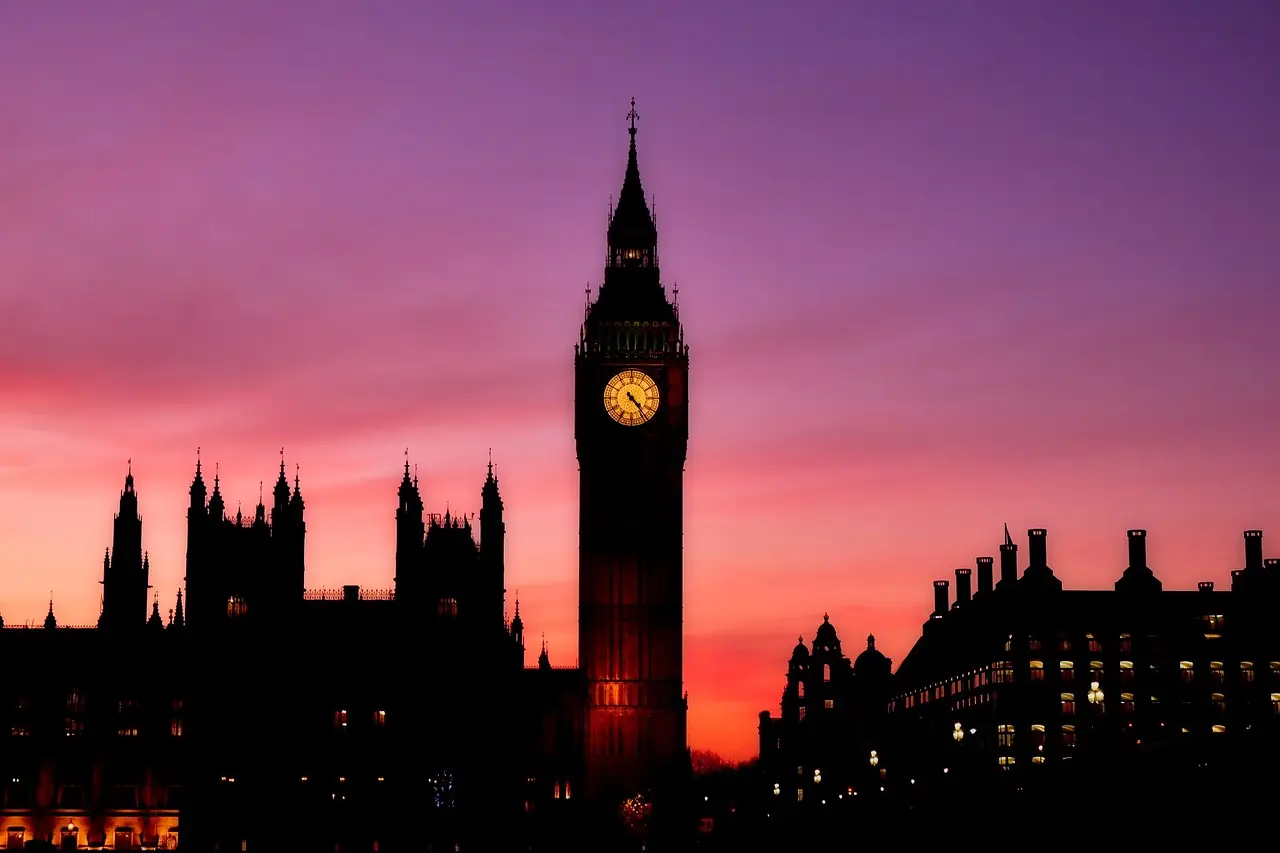
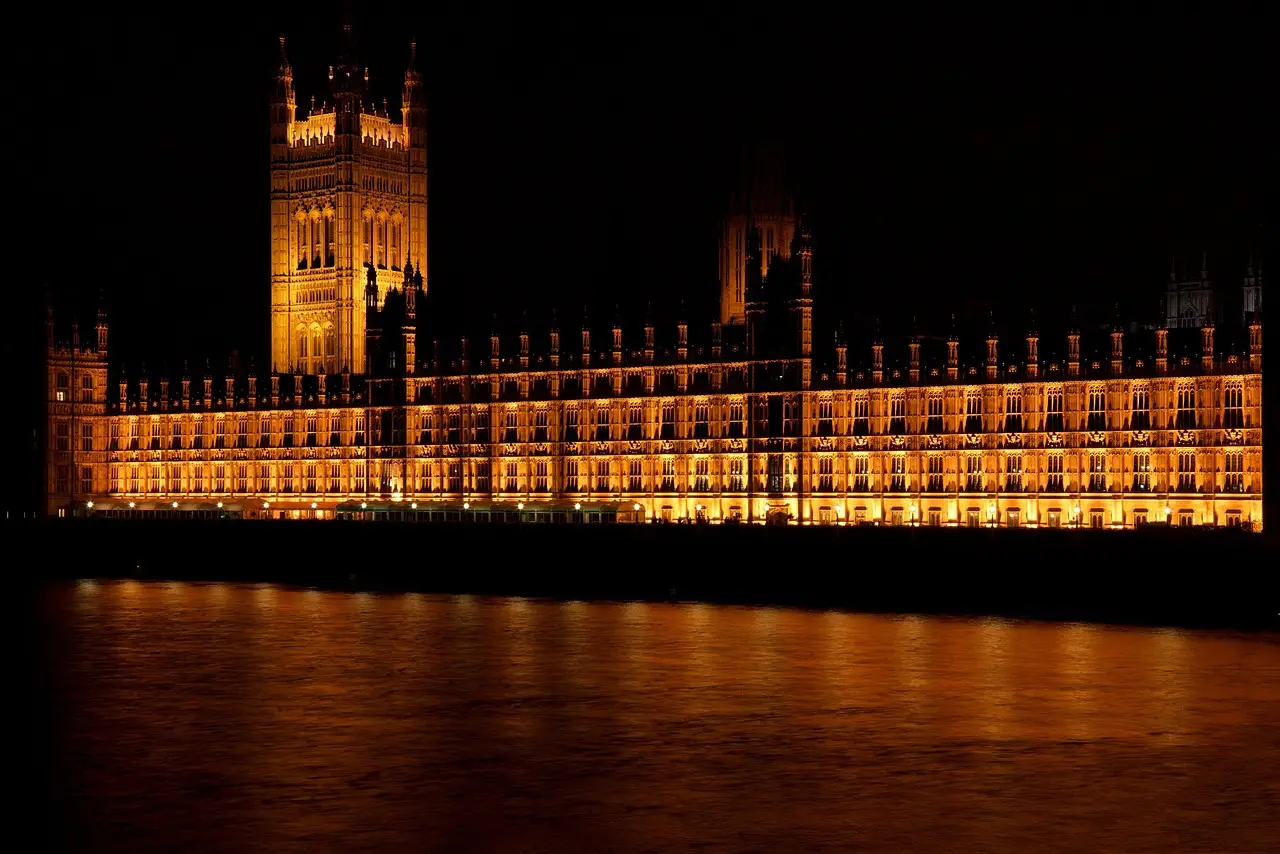
The known asbestos tally across the Palace of Westminster and the wider parliamentary estate has passed 1,650 items, according to BBC figures obtained through a Freedom of Information request. The count has risen by 500 since 2021, even though 700 items were removed over the past five years.
Known items include insulation, roofing, floor tiles and ropes. Parliamentary authorities said the additional items surfaced during surveys preparing the long-awaited refurbishment of the estate, which could cost up to £40bn and take 61 years.
Most of the asbestos is classed as low risk under Health and Safety Executive guidelines. Almost 200 items are rated medium risk and may require remedial works.
Damien Abraham, director at DOA Underwriting, said the findings carry implications for offices, schools and hospitals across the UK. He said asbestos records are rarely complete, even after decades of surveying, because hidden voids, service risers, redundant plant rooms and boxed-in pipework can conceal materials. Alterations from the 1950s to the 1990s have often obscured, encapsulated or overlooked them.
Abraham said: “The broader message is that asbestos should still be treated as a live asset management issue, not a historical one. The absence of recorded asbestos is not necessarily evidence of absence.”
The BBC notes that management surveys identify asbestos during normal occupation rather than uncover every concealed material. Refurbishment and demolition surveys are more intrusive, but both still depend on access and on details of past works and earlier surveys.
Polly Sayers, associate (RFL) and insurance market analyst at HCR Legal LLP, said asbestos attracts a degree of insurer apathy because it has been a talking point for so long that it no longer feels new. Despite that familiarity, contractors still find asbestos in buildings and materials where it had been missed, and insurers deal with it every day.
An unexpected discovery during refurbishment can expose workers, occupants and third parties to fibres, Abraham said. It can also cause work stoppages, emergency remediation costs, delays and disputes over responsibility for additional costs. Surveyors, project managers and designers can face allegations that surveys were inadequate or controls were not implemented.
The exposure spans employers’ liability, public liability, contractors’ all risks and professional indemnity. Abraham said asbestos across large portions of the ageing building stock creates aggregation risk for insurers, instead of remaining confined to isolated properties.
What changes for refurbishment projects?
Abraham said refurbishment projects in pre-2000 buildings need scrutiny of three things: the quality and age of asbestos surveys; whether a refurbishment and demolition survey was completed before intrusive work; and the competence of asbestos consultants and licensed removal contractors.
For owners and contractors, the practical response is to verify those points before intrusive work. An absent record cannot prove that no asbestos is present.
Historic buildings add another constraint. Jo Whyman, risk management director at Ecclesiastical Insurance, said work often requires specialist craftspeople who understand traditional construction and the importance of appropriate controls. He said contractor selection, supervision, permits and controls are vital to managing the risks.
Exposure from decades ago still carries live claims potential, Sayers said, which defines the feature of long-tail liability. Employers’ liability policies respond to mesothelioma claims according to when exposure occurred, not when the disease was diagnosed.
The Supreme Court confirmed that trigger in the 2012 litigation Durham v BAI (Run Off) Ltd. Sayers added that placing an exclusion going forward does not protect against the historical exposure point.
Sayers said the market is watching PFAS, the so-called forever chemicals. PFAS resembles asbestos in its widespread use and quickly evolving science, she said, so brokers must establish which policy was in force when contamination began. The two differ because PFAS does not break down in the environment and does not yet have a signature disease.
In both cases, Sayers said liability “can quietly build up in buildings, in land, and in policy archives and can surface long after the decisions that created it”. That makes policy dates and building records relevant evidence long before liability surfaces.
Parliament’s surveys suggest that, for asbestos at least, the full extent of that exposure is still being uncovered. For the planned refurbishment, potentially spanning 61 years and costing up to £40bn, survey quality, competent asbestos consultants and licensed removal contractors, and careful cost planning will remain central.
Source: insurancebusinessmag.com
More from Grace Kim
Show full bio
Staff writer covering money, funding and market shifts around construction industry, architecture, interior design at Built Current.
325 articles