Wenche Selmer's 1963 Oslo House Documented in Own House
Own House documents Wenche and Jens Selmer's 1963 Oslo home Trosterudstien 1 through Marte Garmann's 48-hour photo shoot, made before the house was sold.
- Section
- Architecture
- Author
- By Marcus Bennett
- Filed
- Length
- 3 min read
Key takeaways
- Jens and Wenche Selmer completed the Oslo house Trosterudstien 1 in 1963.
- The house won the Sundt Prize for outstanding architecture in 1966.
- Marte Garmann photographed the house in 48 hours in 2024, before its sale to private owners.
- Own House runs 160 pages and is published by Jøss Bokstudio at NOK469 (£38).
A 48-hour photography session, completed in 2024 just before the sale of Trosterudstien 1, anchors a new 160-page book on one of Norway's finest post-war homes. Own House, published by Jøss Bokstudio at NOK469 (£38), documents the Oslo house that architects Jens and Wenche Selmer completed in 1963 and which won the Sundt Prize for outstanding architecture three years later.
The book's author is not an architecture historian but the Selmers' granddaughter, photographer and editor Marte Garmann. For her, Trosterudstien 1 is not only a landmark building. It is the backdrop to her most treasured childhood memories.
'It was a very special place because every detail was thought out,' says Garmann. 'I have many memories of being there, sleeping on mattresses on the floor, playing with wooden blocks, and eating homemade bread on the kitchen table.'
What does the book contain?
Own House opens with a short essay by Garmann, followed by the photographs she took during the compressed two-day shoot. The constraint shaped the work.
'It was good to have a limited time frame. Then I had to be absolutely present and capture the different lighting changes throughout the day in every room,' explains Garmann. 'As a photographer, I always work with what I have in front of me.'
The images show the home's open layout and the way its rooms merge seamlessly into one another. They also record its material details, including:
- quarry-tile flooring
- concealed storage
- an abundance of brass wall hooks, which the Selmers used for everything from hanging Christmas decorations to drying rolls of film
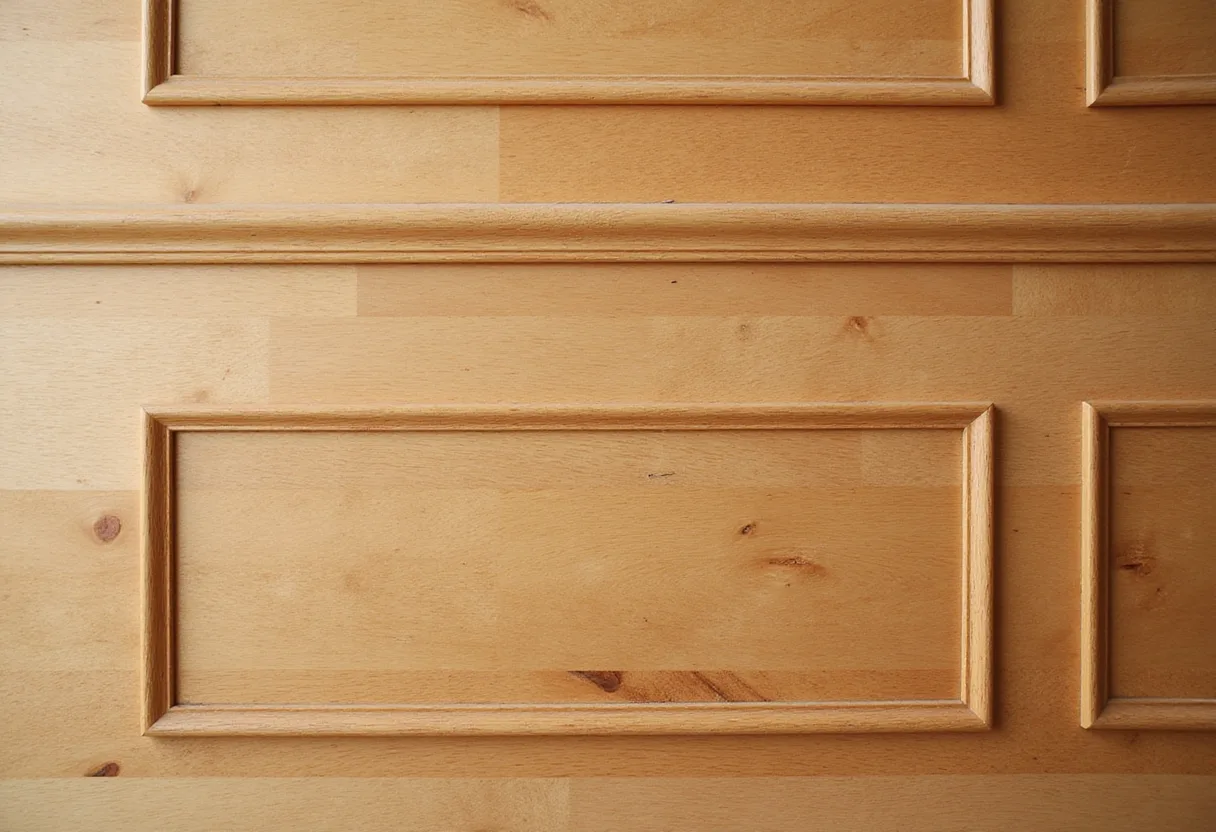
The book interleaves other archival material. The Selmers' pencil drawings of Trosterudstien 1's pine-lined interiors appear throughout, alongside a letter about the house that the couple penned in 1966. Garmann's aunt Elisabeth contributes words recalling key moments: watching her father, Jens, manually survey the house, and attending the topping-out ceremony with all the craftsmen.
Why the house matters
Construction finished on Jens and Wenche Selmer's Oslo home in 1963. Working with a considered yet very simple material palette, the couple crafted the house to embody the restrained aesthetic that Wenche, in particular, had become known for. The house went on to win the Sundt Prize in 1966 and remains regarded as one of Norway's finest post-war homes.
Garmann's treatment resists nostalgia. The book depicts the home in a warm yet honest light, with minimal interference in the images.
'There is not much editing and retouching. I want it to be the way it is,' concludes Garmann. 'And for me, that was the perfect way to say goodbye to the house. Witnessing every detail, and then letting it pass on.'
For practitioners, the book offers a rare dual record: a prizewinning 1963 house documented at the moment of its transfer to private owners, and a family archive that shows how the building was actually lived in. Eget hus / Own House is available now through shop.joss.no.
Original: google.com
More from Marcus Bennett
Show full bio
Correspondent covering money, funding and market shifts around construction industry, architecture, interior design at Built Current.
200 articles