Townhouse Starts Fall 14% as Affordability Squeezes Buyers
Townhouse starts fell 14% year over year to 40,000 units in Q3 2026, NAHB analysis of Census data shows, as affordability pressure weakens buyer demand in large metros.
- Section
- Construction
- Author
- By Grace Kim
- Filed
- Length
- 2 min read
Key takeaways
- Single-family attached starts totaled 40,000 in Q3 2026, down 14% from Q3 2025.
- Four-quarter townhouse starts totaled 154,000, down 13% from the prior 179,000.
- Townhouses held 17% of single-family starts; the record was 18.7% in Q3 2025.
- Previous two-decade peak was 14.6% in Q1 2008 on a one-year moving average.
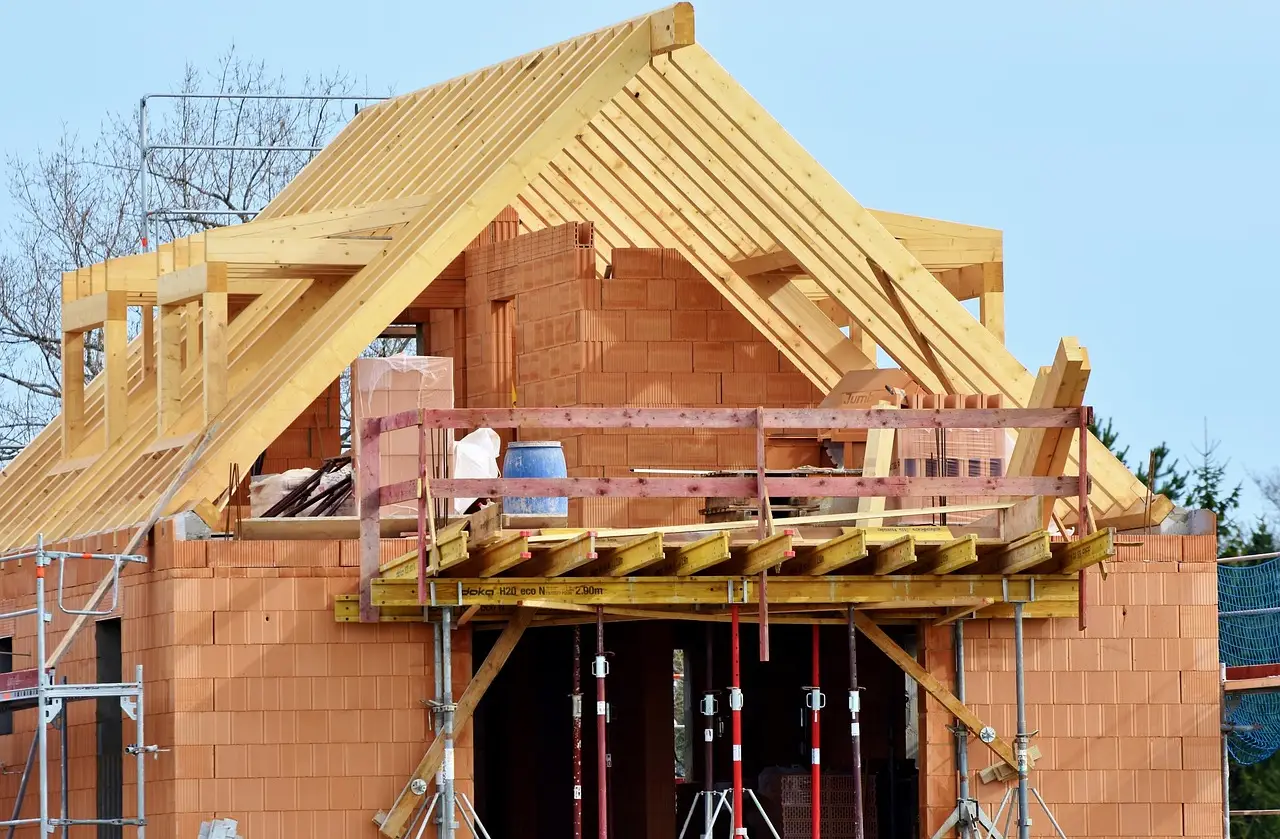
Townhouse construction starts dropped 14% year over year, totaling 40,000 single-family attached units in the third quarter of 2026. NAHB's analysis of the latest Census data on Starts and Completions by Purpose and Design points to housing affordability challenges as the culprit, hitting homebuyer demand hardest in larger metropolitan markets.
The decline isn't a one-quarter blip. Over the last four quarters, townhouse starts totaled 154,000 homes, down 13% from the prior four-quarter period, which came in at 179,000.
How much of the market do townhouses hold?
Townhouses accounted for 17% of all single-family housing starts in the third quarter of 2026. On a one-year moving average, the market share also fell back to 17%. That's a step down from the all-time high of 18.7% reached in the third quarter of 2025.
For context, the previous cycle's peak stretches back nearly two decades. According to NAHB, before the current run, the highest townhouse market share of the last 20 years was set in the first quarter of 2008, when the one-year moving average hit 14.6%. That high point followed a fairly consistent climb in the share that began in the early 1990s.
What does this change for builders and buyers?
In the near term, it means fewer attached units breaking ground, especially in big metros where affordability pressure is most acute. The quarterly numbers show demand softening at exactly the moment townhouses had been winning market share.
But the longer picture is less grim. NAHB sees long-run prospects for townhouse construction remaining positive, citing growing numbers of homebuyers who want medium-density residential neighborhoods — urban villages with walkable environments and other amenities.
The constraint, in NAHB's framing, isn't demand. It's zoning: "Where it can be zoned, it can be built."
That leaves the sector's trajectory resting on two forces — whether affordability eases enough to restore buyer demand in large metros, and whether local governments open more land to medium-density building.
Source: eyeonhousing.org
More from Grace Kim
Show full bio
Staff writer covering money, funding and market shifts around construction industry, architecture, interior design at Built Current.
394 articles