Supreme Court lets Big Bend border wall construction continue
The Supreme Court allowed the Trump administration to continue Big Bend border wall construction, pausing a lower-court block while it reviews authority to bypass environmental requirements.
- Section
- Construction
- Author
- By Priya Raman
- Filed
- Length
- 2 min read
Key takeaways
- Monday’s Supreme Court order allows Big Bend border wall construction to continue, including in Big Bend National Park.
- The administration’s target is “300-plus” miles of border barrier and roads in the region.
- Monday’s stay pauses a lower-court ruling that had temporarily blocked the work.
- One noted dissenter, Justice Ketanji Brown Jackson, offered no explanation for her position.
- The Department of Homeland Security bypassed laws covering three areas: historic preservation, the environment and Native American artifacts.
By Priya Raman
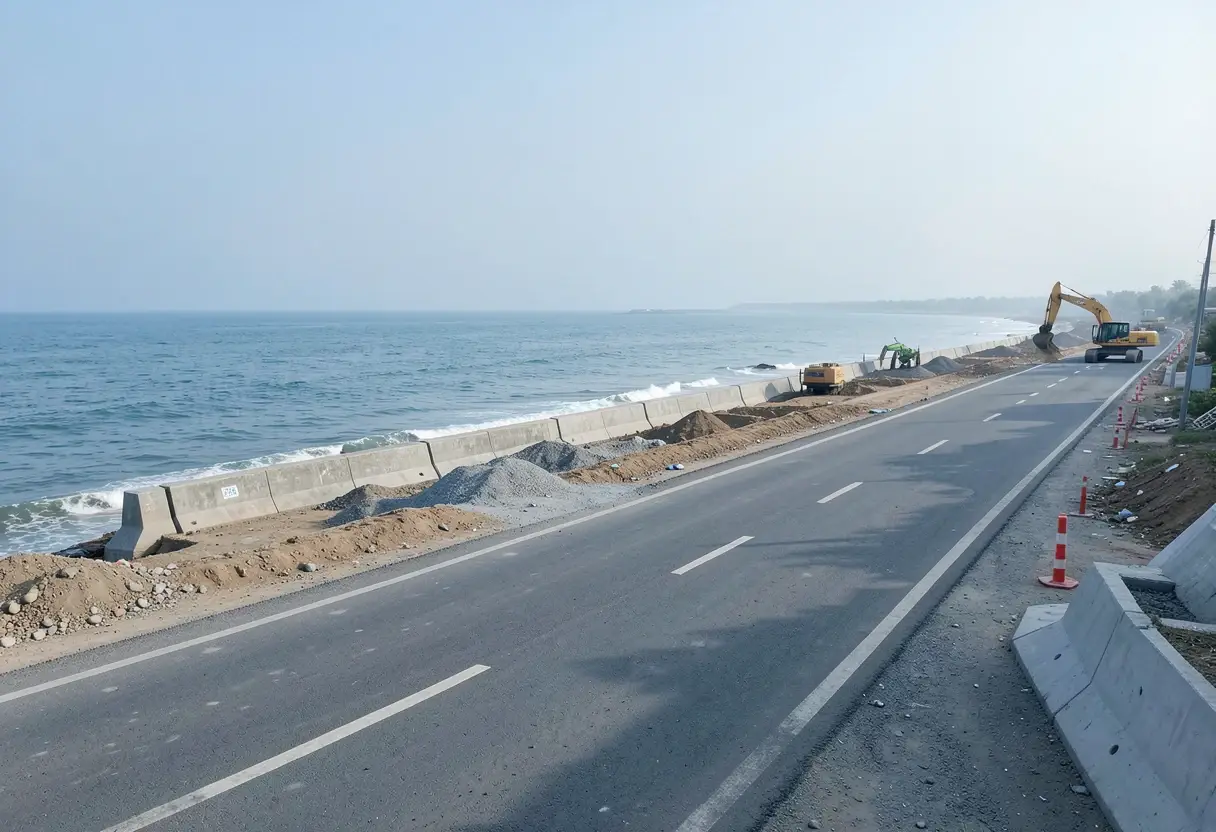
The Supreme Court allowed President Donald Trump to continue border wall construction in Texas’s Big Bend region, including Big Bend National Park, on Monday, while it reviews the administration’s authority to bypass environmental requirements.
That stay (a temporary pause of a lower-court order) keeps construction moving. It pauses a lower-court ruling that had temporarily blocked the work. The court issued its decision in an unsigned opinion. Liberal Justice Ketanji Brown Jackson was the only noted dissenter, meaning a justice who disagreed with the majority. She did not explain her reasoning.
What did the Supreme Court decide?
The court set out the challengers’ position. It wrote that the challengers “claim that construction in the Big Bend Sector will diminish their ability to use and enjoy the area.” It then said Congress had enacted the law in a way that “reflects a clear preference for expeditious border construction over the very harms respondents assert.”
Here, “respondents” means the challengers, and the “Big Bend Sector” is the area at issue. “Expeditious” means fast or prompt.
In practical terms, the court credited Congress with choosing quicker construction over the harms claimed by the people challenging the project. That reasoning allowed the work to continue while the court considered whether the administration had authority to bypass the environmental requirements.
The Monday order did not end the dispute. It prevented the lower-court ruling from stopping construction during the Supreme Court’s review. The opinion left Jackson’s dissent unexplained and the underlying authority question unresolved.
How does the administration justify the project?
The administration’s stated target is “300-plus” miles of border barrier and roads in the region. It relies on a federal law that gives the government power to “waive all legal requirements” to ensure quick construction in areas of “high illegal entry.”
The statute grants waiver authority, meaning power to set aside legal requirements. The Department of Homeland Security used that authority to bypass laws that would normally apply. Those laws deal with historic preservation, the environment and Native American artifacts.
The administration’s interpretation now sits at the center of the Supreme Court’s review, while the interim order lets the department continue the project in Big Bend.
What does this change for Big Bend?
For Big Bend National Park and the wider construction region, the practical effect is immediate: barrier and road work can continue during the court’s review. The lower-court order no longer serves as an active block.
The unresolved question is whether the federal government may use the law to bypass requirements that normally would apply. The court has not resolved that issue in Monday’s interim order.
The Supreme Court’s pending review will decide whether the waiver may cover the historic-preservation, environmental and Native American artifact requirements that the Department of Homeland Security bypassed.
Source: localnews8.com
More from Priya Raman
Show full bio
News editor covering people, launches and day-to-day practice in construction industry, architecture, interior design at Built Current.
306 articles