Skylights and Shadow Play: How Cabins Turn Daylight Into Design
A new analysis argues cabin architecture's compact footprints make opening placement — especially skylights — the decisive factor in how small interiors connect to landscape and time.
- Section
- Architecture
- Author
- By Marcus Bennett
- Filed
- Length
- 2 min read
Key takeaways
- Compact footprints and simple programs allow unconventional, experimental design approaches in cabins
- Conventional windows establish visual connections with the surrounding landscape
- Skylights introduce daylight from above, revealing seasonal variations and daily shadow movement
- Well-designed skylights create a dynamic relationship with natural light and the day
- Cabins are typically built as spaces of rest, prioritizing the experience of inhabitation
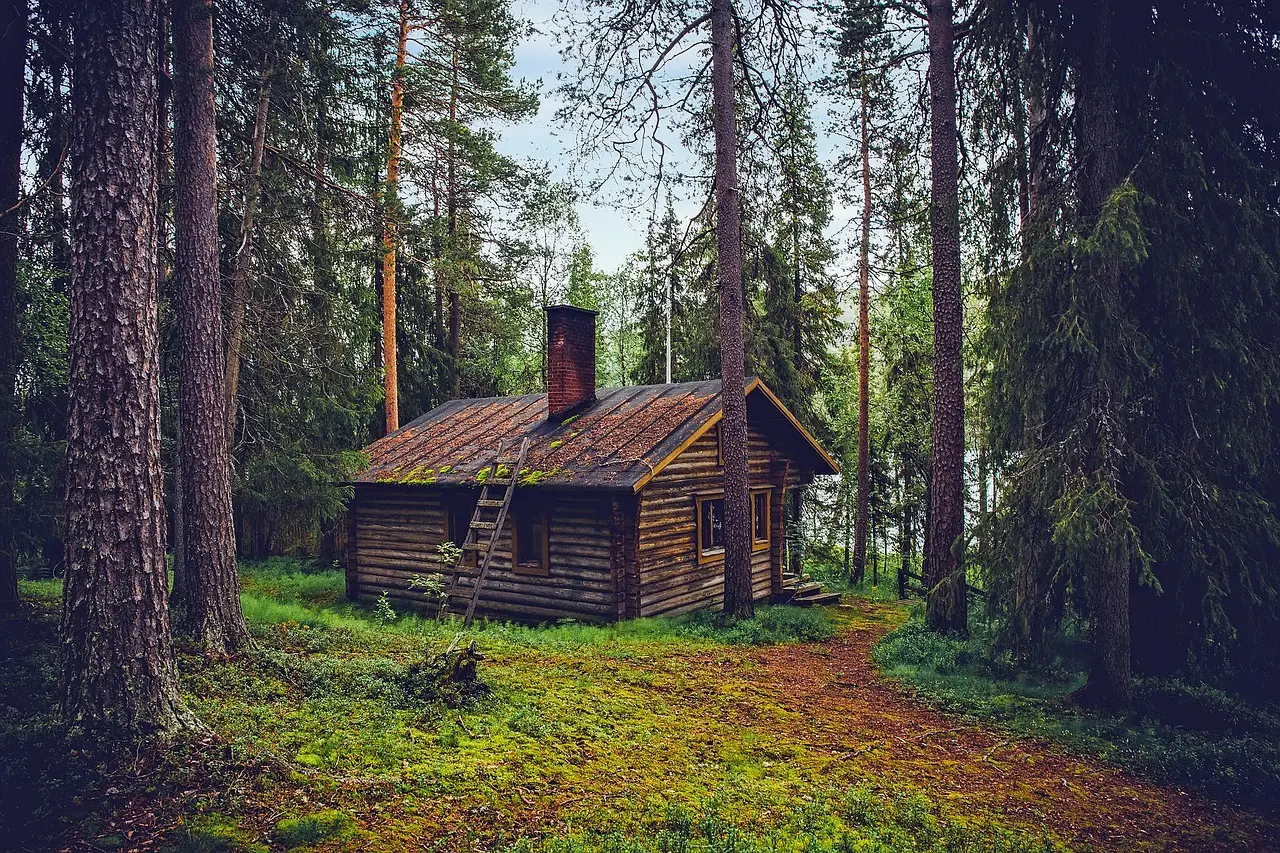
Cabins give architects a license to experiment that larger commissions rarely allow, and daylight is the most consequential variable in that experiments, according to a new analysis of cabin architecture. Their compact footprints, relatively simple programs, and close proximity to natural surroundings permit unconventional design approaches and the testing of experiential, architectural ideas, the analysis states. Cabins are often constructed as spaces of rest. That program pushes architects to prioritize the experience of inhabiting a space, and to examine how individual design elements contribute to the character and atmosphere of the interior.
Why light matters more in a small volume
Natural light plays an important role in shaping that experience, particularly in compact spaces where the placement of openings significantly influences spatial perception. A single opening decision in a cabin carries a weight it would not carry in a larger house. Move a window, and the room reads differently. The analysis draws a clear distinction between two families of openings:
- Conventional window openings, which establish visual connections with the surrounding landscape.
- Skylights, which introduce daylighting from above and create a unique opportunity to observe seasonal variations and the movement of shadows during the day.
What does the skylight change for the practitioner?
The skylight is the more radical instrument. Where a window frames a view horizontally, a skylight registers time. It tracks the sun's arc across the day and its drift across the seasons, projecting moving shadow patterns through the interior. Beyond providing natural light for the inhabitants, well-designed skylights create a dynamic relationship with natural light, the analysis argues, and establish a closer connection to the surrounding environment and the day itself. The inhabitant does not simply receive illumination. The inhabitant watches the day move through the room. For practitioners, the implications are direct:
- Openings function as spatial instruments, not just apertures for light.
- Skylight placement shapes how occupants perceive seasonal change from inside.
- The cabin format lets designers test these daylighting strategies before applying them at larger scales.
The cabin as proving ground
The broader argument is architectural, not merely technical. Because cabins sit close to their natural surroundings and carry simple programs, they function as proving grounds for ideas about atmosphere, material, landscaping and spatial configuration that would be expensive or risky to test in larger buildings. Daylighting sits at the center of that testing. In a compact volume, the analysis suggests, the designer's decisions about where light enters — from the side or from above — determine whether the interior feels connected to the landscape or to the passage of the day. Windows deliver the first; skylights deliver the second. The takeaway for architects working in this typology: treat every opening as a daylighting strategy first, and treat the cabin itself as the cheapest full-scale mockup a practice will ever get.
Source: ArchDaily
More from Marcus Bennett
Show full bio
Correspondent covering money, funding and market shifts around construction industry, architecture, interior design at Built Current.
254 articles