Senate Passes Permitting Overhaul 62-33, With 15 Democrats On Board
The Senate approved the Bipartisan American Affordability and Jobs Act 62-33, with 15 Democrats joining Republicans. The permitting overhaul now faces an uncertain House path.
- Section
- Construction
- Author
- By Grace Kim
- Filed
- Length
- 2 min read
Key takeaways
- The Senate passed the Bipartisan American Affordability and Jobs Act 62-33 on Thursday.
- 15 Democrats joined 47 Republicans; Heinrich introduced the bill in September.
- The bill limits legal challenges under environmental laws and bars future presidents from reversing approvals.
- Sens. Merkley and Wyden blocked votes on amendments addressing tribal consultation concerns.
- The bill faces an uncertain path in the House despite President Trump's support.
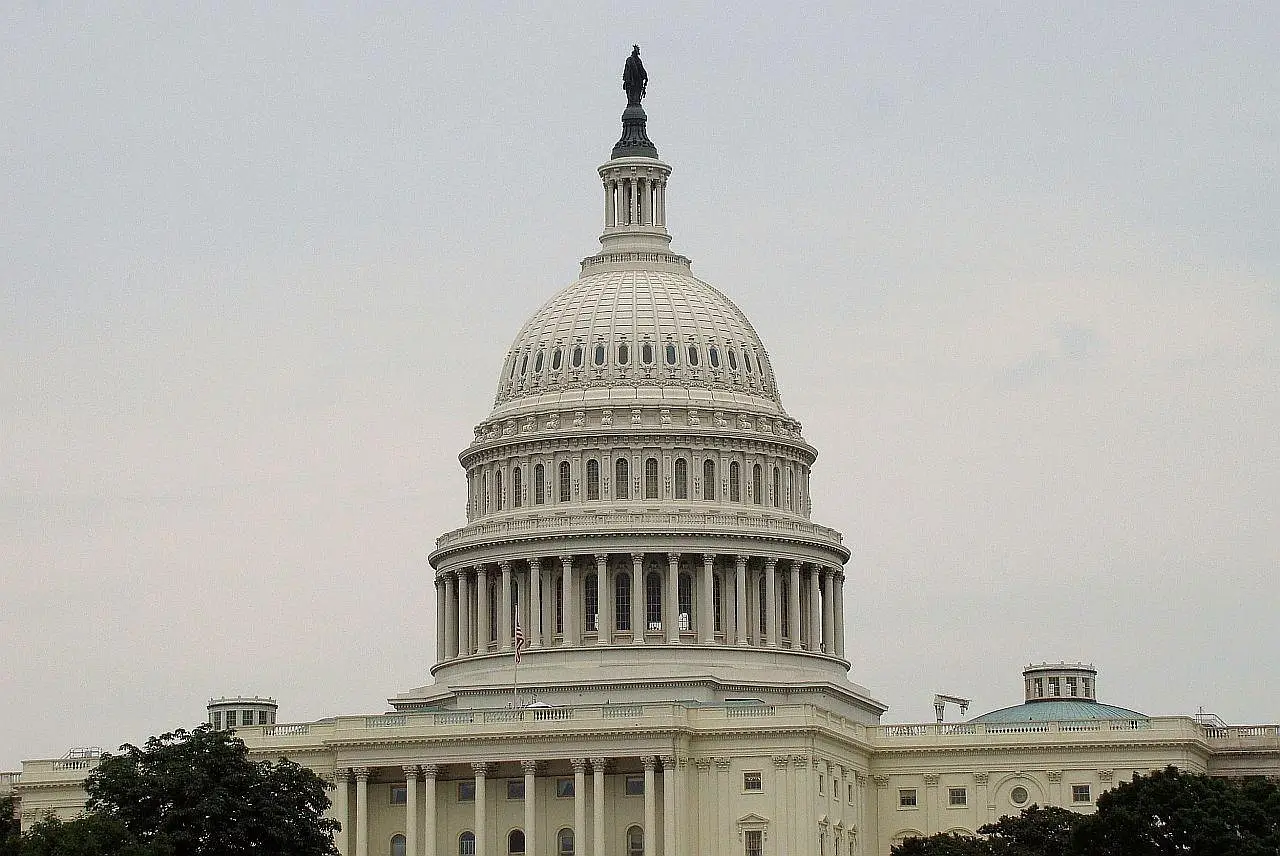
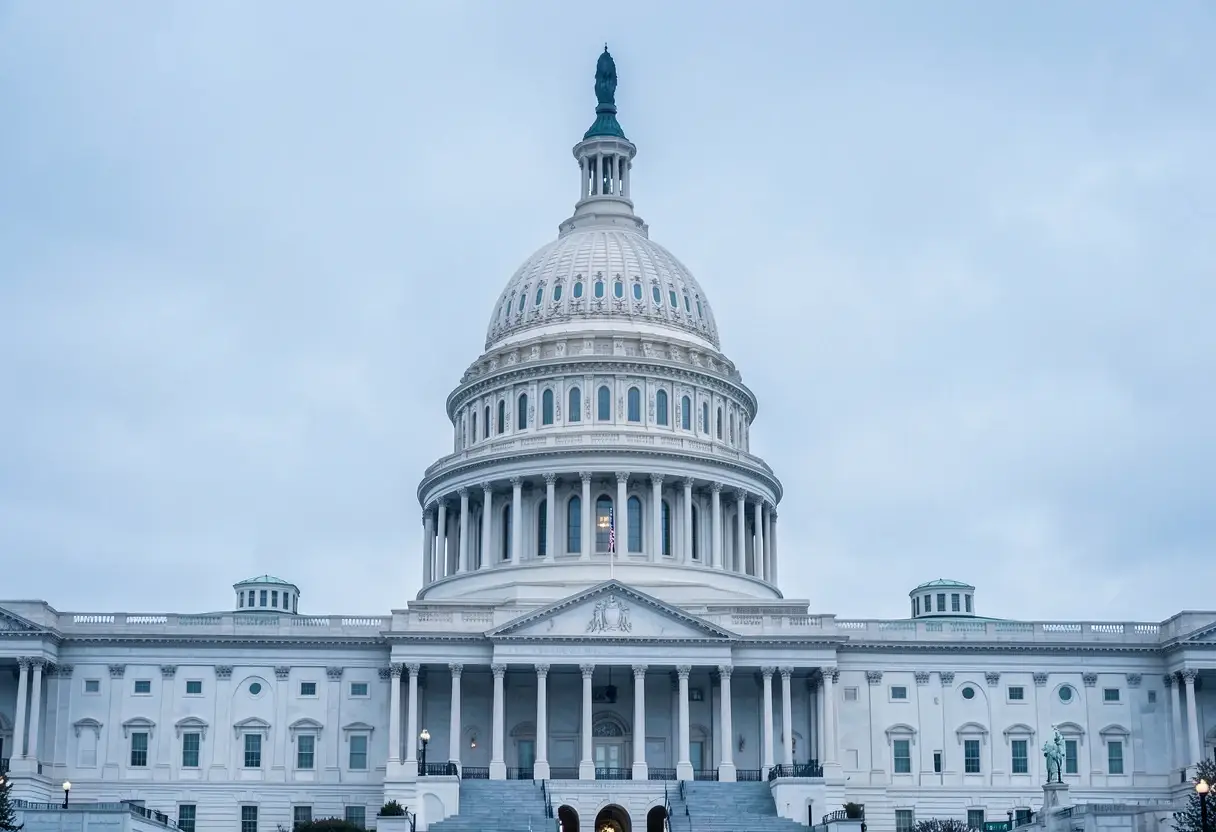
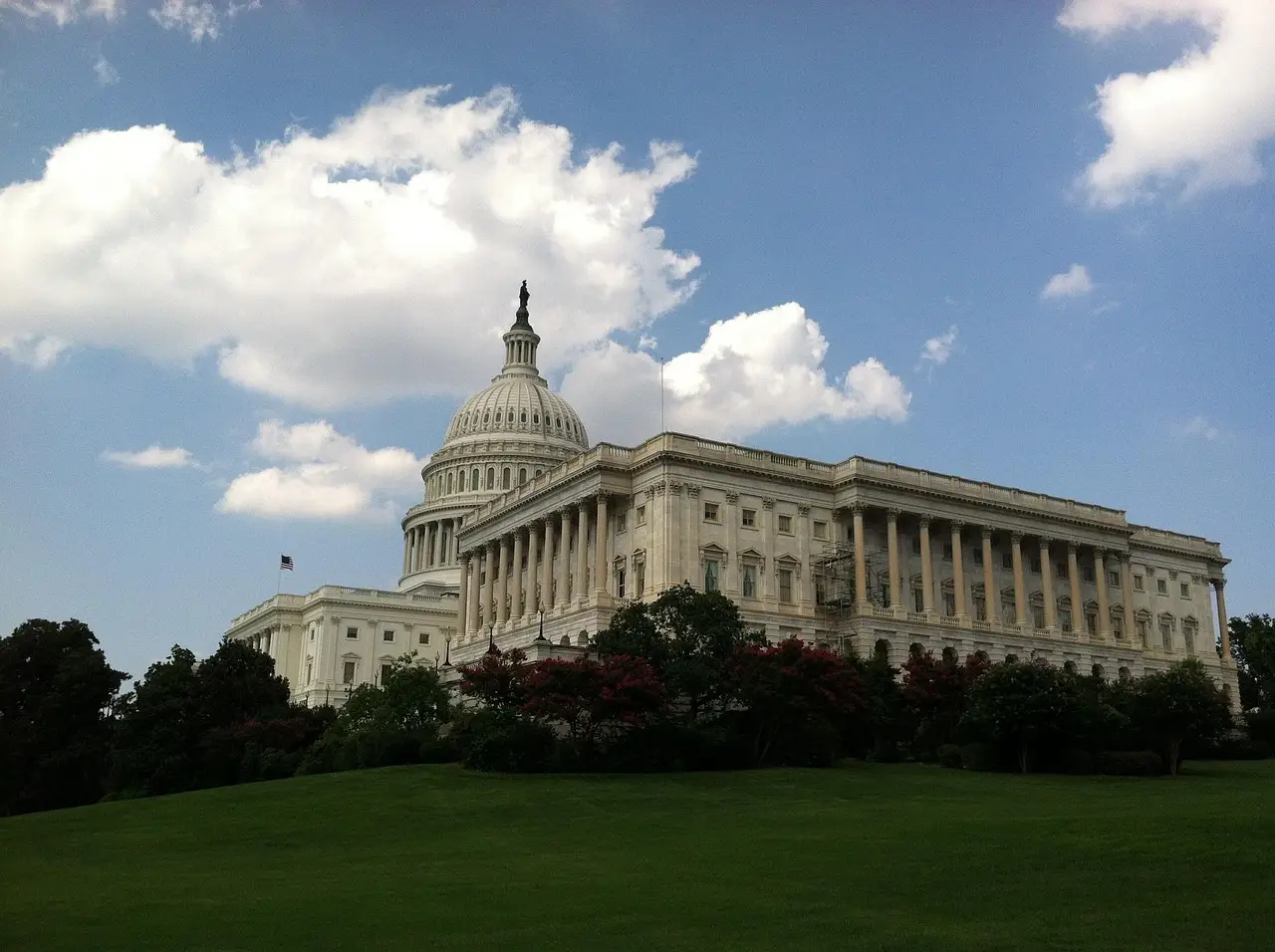
The U.S. Senate passed the Bipartisan American Affordability and Jobs Act on Thursday in a 62-33 vote, advancing a sweeping overhaul of federal permitting co-sponsored by New Mexico Senator Martin Heinrich.
Fifteen Democrats joined 47 Republicans to approve the legislation, which aims to speed up approvals for federally permitted projects, including those advancing clean energy. The bill sets limits on legal challenges under environmental laws and prohibits future presidents from reversing approvals issued by their predecessors.
Heinrich, a Democrat, introduced the measure in September alongside Democrat Sheldon Whitehouse and key Republicans. He framed the goals as lowering household electricity costs and creating New Mexico jobs, and he praised Thursday's vote as a necessary step to modernize the electrical grid.
What does the bill change for opponents?
New Mexico's other senator, Ben Ray Luján, voted against the bill, saying in part that it needed changes to shore up tribal consultation. Native American nations, conservation groups and other New Mexico leaders, including U.S. Reps. Melanie Stansbury and Teresa Leger Fernández, raised concerns about tribal consultation and environmental impacts.
Those objections prompted Heinrich and other sponsors to introduce amendments addressing the concerns. But before final passage, Oregon Democrats Sen. Jeff Merkley and Sen. Ron Wyden — frequent Heinrich allies who forcefully opposed the measure — objected to allowing those amendments to receive a vote.
The bill's supporters have speculated that Merkley blocked the modifications to keep the bill less appealing to House members who have demanded those changes before voting on the measure.
A divided New Mexico political landscape
The legislation has split the state's political landscape. Heinrich and labor unions pushed for the project-streamlining measures. Opposing the bill are a coalition of New Mexico and national environmental and tribal groups, Gov.-elect Deb Haaland and Attorney General Raúl Torrez.
The bill now heads to the U.S. House of Representatives, where it faces an uncertain path despite support from President Donald Trump. Whether House members insist on the tribal consultation amendments that the Senate never voted on will likely determine its fate.
Source: nmpoliticalreport.com
More from Grace Kim
Show full bio
Staff writer covering money, funding and market shifts around construction industry, architecture, interior design at Built Current.
394 articles