Romanian Designer Turns 300 Vintage Lampshades into Chandeliers
Romanian designer Mihai Popescu's Lampa Volta turns 300 collected vintage lampshades into chandeliers, pendants and wall lamps with Murano glass, crystal and hand-blown glass by artisan Jeni Costachescu.
- Section
- Materials & Products
- Author
- By Amara Osei
- Filed
- Length
- 2 min read
Key takeaways
- Lampa Volta is built from an archive of more than 300 vintage lampshades gathered over five years.
- The collection combines recycled shades with Murano glass, crystal tubes and brass details.
- Glass is hand-blown by Romanian artisan Jeni Costachescu.
- Configurations include wall lamps, pendants and chandeliers, all endlessly rearrangeable.
- The collection is by Mihai Popescu Studio SRL, Romania.
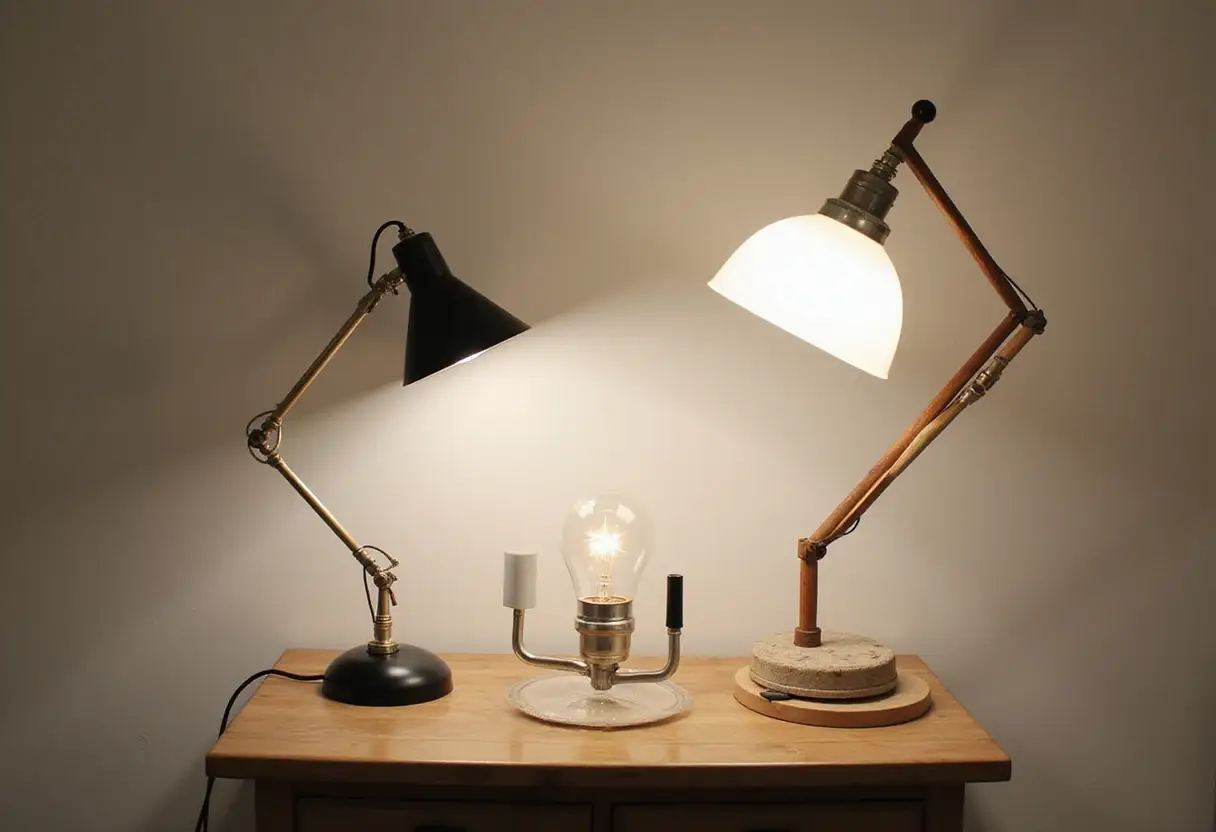
Mihai Popescu spent five years collecting more than 300 vintage lampshades, and the archive has now become Lampa Volta, a lighting collection that treats discarded shades as raw material for luxury.
Popescu, who runs Mihai Popescu Studio SRL in Romania, built the collection around the character that old objects carry: the imperfections, odd proportions and familiar textures that, as the studio's description puts it, contemporary manufacturing "struggles to recreate." Each rescued lampshade keeps its own visual identity, with shapes and colors drawn from different design eras. Grouped together, they stage what the designer calls a "conversation between past and present."
The result reads less like salvage and more like collectible design. That is the point.
What goes into each piece?
Lampa Volta is a material mash. Recycled lampshade components sit alongside Murano glass, crystal tubes and brass details. Glassblower Jeni Costachescu, a Romanian artisan, blows the glass by hand, adding a craft layer that machine production can't fake.
The mix is deliberate. Glass brings delicacy, crystal adds brilliance, brass contributes warmth and depth. The vintage shades anchor it all, so nothing reads as overly polished — the finished pieces feel, in the studio's words, "collected and lived in."
How does the collection define luxury?
By refusing uniformity. No two elements are forced to match, and the studio frames this variation as sophistication rather than flaw. It's a quiet rebuke to the identical-everything logic of mass production, where luxury usually means perfect repetition.
Here, the story behind each component is treated as part of the object's value. A shade from one decade, glass from a Romanian workshop, brass fitted new — the finished piece carries all of it.
The earthiness matters too. Glass and crystal usually signal ornate interiors, but paired with repurposed elements they land somewhere more grounded. The studio suggests the pieces suit both curated homes and hospitality spaces chasing an intimate atmosphere, and notes the sculptural compositions hold up even unlit, working as daytime decorative objects.
Can one design language fit many rooms?
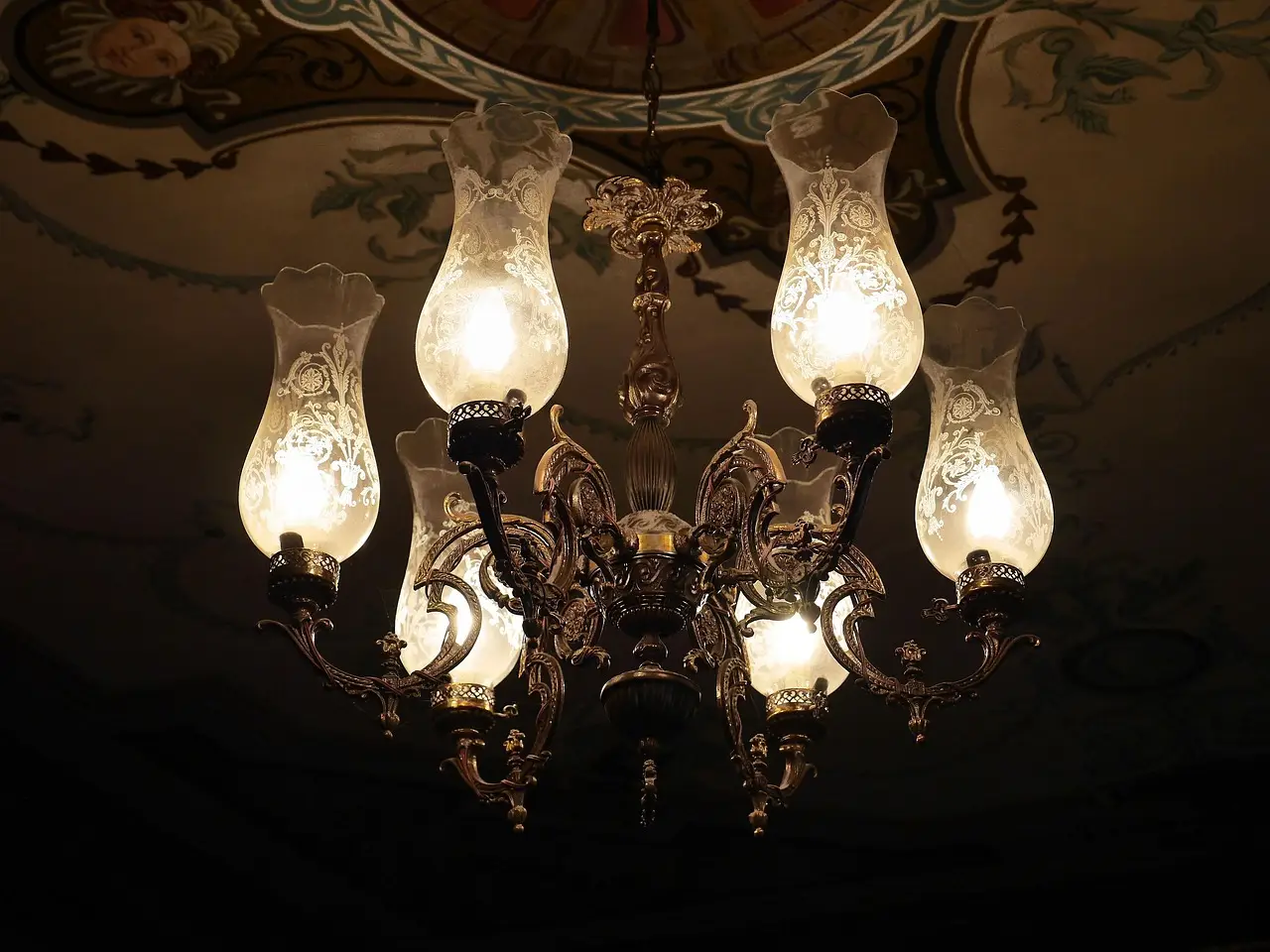
Lampa Volta ships as a family: wall lamps, pendants and chandeliers, all reconfigurable. Shapes and colors can be endlessly rearranged, so the same language reads small in a residential corner or scales up into a statement chandelier for a restaurant, hotel or public interior. The studio says this flexibility lets the collection evolve without losing its identity.
Is reuse the whole point?
Largely, yes. Repurposing existing shades keeps objects out of the waste stream, while new materials and traditional glassmaking extend their working life. Crucially, the collection doesn't present reuse as an aesthetic compromise — the salvaged parts are the appeal, not an apology.
Whether the model scales beyond one designer's five-year haul of 300 shades is another question. As an argument, though, Lampa Volta is clear: the most distinctive lighting in a room may already exist, one forgotten lampshade at a time.
Source: Yanko Design
More from Amara Osei
Show full bio
Market editor covering companies, deals and strategy in construction industry, architecture, interior design at Built Current.
420 articles