Reservoirs of hope: the city question at Utopian Hours 2026
Utopian Hours 2026, an international city-making festival, put nine urban pressures through talks, exhibitions and roundtables, asking what a livable, fair 21st-century city takes.
- Section
- Urbanism & Planning
- Author
- By Priya Raman
- Filed
- Length
- 3 min read
Key takeaways
- Utopian Hours 2026 is an international festival dedicated to city-making.
- The 2026 program ran through three formats: talks, exhibitions and roundtables.
- Its central question: what might a more livable, sustainable, diverse and inclusive 21st-century city look like?
- The festival named nine pressures on contemporary cities, from climate crisis and pollution to housing inequality and persistent injustices.
- The headline concept was building "reservoirs of hope" in future cities.
By Priya Raman
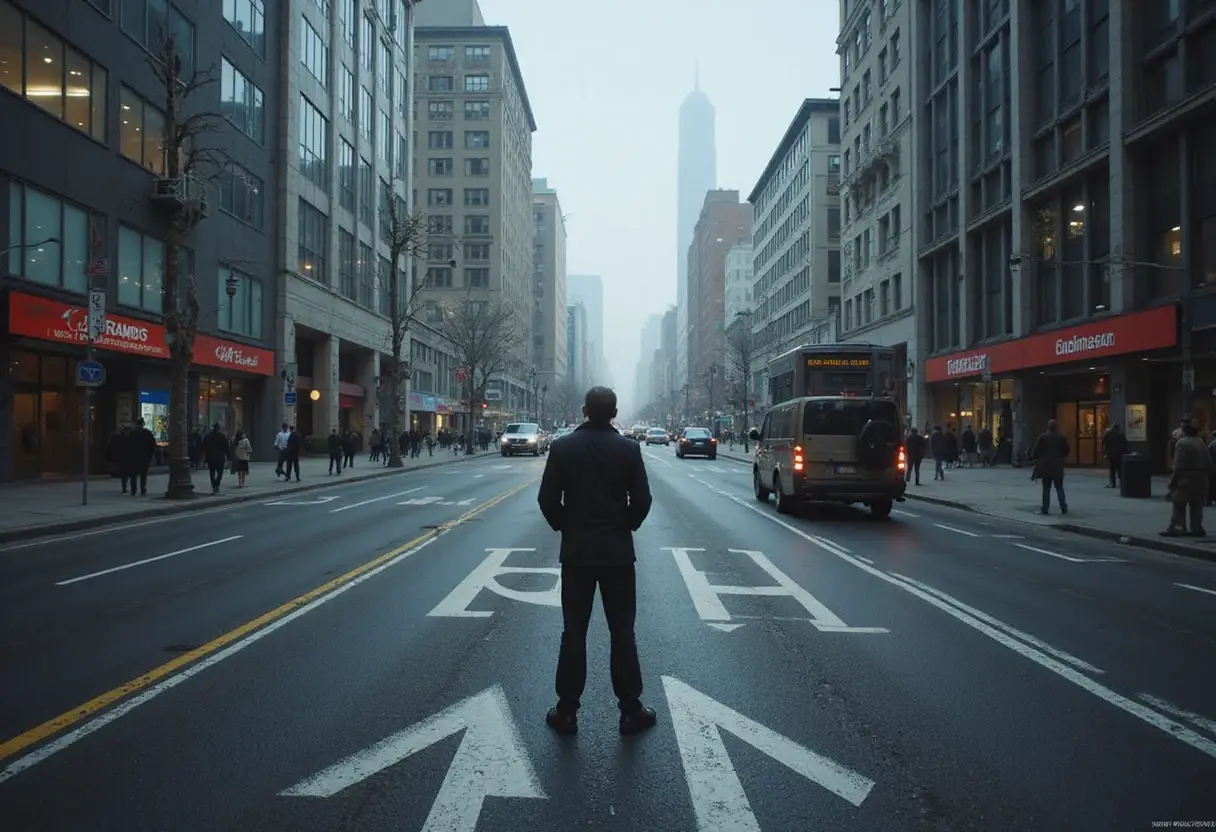
Three formats, nine pressures, one question: that was the structure of Utopian Hours 2026, an international festival dedicated to city-making. The question ran through every session: "what might a more livable, sustainable, diverse, and inclusive city look like in the 21st century?"
What did Utopian Hours 2026 ask?
The festival's framing treats utopia as "an imagined ideal society or place where political, social, and living conditions are fundamentally different from those of the present." The word comes from the Greek and literally means "no-place" or "nowhere."
The account notes that although utopia may not exist in reality, imagining it has long inspired architects and urban thinkers to envision the world otherwise. That lineage explains the method: a question, not a verdict.
Three formats carried the 2026 program:
- Talks
- Exhibitions
- Roundtables
Across all three, the program examined two things, according to the festival: how to shape urban landscapes, and what forms of design thinking (reframing a problem before proposing solutions) can transform urban life.
The nine pressures the festival named
Utopian Hours 2026 lists nine pressures bearing on contemporary cities:
- Climate crisis
- Pollution
- Soaring land prices
- Aging populations
- Housing inequality
- Lack of social services
- Growing social and economic disparities
- Persistent injustices
- Overheating and environmental degradation in some regions, with other regions fighting for access to nature, land and communities
The geography splits in two. Some regions overheat and degrade. Others lose access to nature, land and community. One design agenda must answer both.
The festival's account also ties the problem to planning itself, describing contemporary cities as shaped by "the partially failed logic of modern urban planning." Utopia, on this reading, works as a diagnostic. It names what the built environment has not yet delivered.
What does "reservoirs of hope" change for city-makers?
The festival's headline framing, building "reservoirs of hope" in future cities, names design as the container that keeps a city's options open. Read against the festival's own emphasis on design thinking, the phrase points to a method rather than a finished scheme.
The practical shift for planners is the order of work. Start from the pressures, not from the render. The 2026 program put heat, land, housing, services and equity on one agenda.
What does that change day to day? It changes the brief. A planner who starts with climate, land prices and housing inequality asks different questions than one who starts with an image of the finished city.
The festival treated those pressures as the raw material of design. Design thinking, in that account, is the means of reshaping urban landscapes rather than merely illustrating them.
What happens after the roundtables?
One caveat for readers: the published account names no speakers, venues or attendance figures. It offers a statement of intent instead — the central question, the three formats and the nine pressures.
That makes the festival easy to test. The next measure is not another session on livable cities. It is whether design thinking moves from talks, exhibitions and roundtables into the daily work of shaping urban landscapes.
Practice, not panel discussion, is the next test for design thinking. The nine pressures Utopian Hours 2026 named will not wait for an answer.
Original: utopianhours.it
More from Priya Raman
Show full bio
News editor covering people, launches and day-to-day practice in construction industry, architecture, interior design at Built Current.
240 articles