Hoboken Takes the Top Spot as America's Most Walkable City
Hoboken, New Jersey scored a near-perfect 97 Walk Score to top the US walkability rankings, beating West Hollywood, Boston, San Francisco, New York, DC and Chicago.
- Section
- Urbanism & Planning
- Author
- By Grace Kim
- Filed
- Length
- 4 min read
Key takeaways
- Hoboken, NJ earned a Walk Score of 97, the highest in the US in Only in Your State's analysis.
- Washington, DC holds a Walk Score of 98, per Walk Score's own data.
- NYC life expectancy is 82.3 years versus the 77.3-year national average.
- Chicago's five most-visited attractions sit within a 28-minute, roughly 2,500-step walk.
- Philadelphia holds a 4.99 average rating on GuruWalk, with 99% of reviews at five stars.
Hoboken, New Jersey — a city of just one square mile — earned a near-perfect Walk Score of 97, making it the most walkable city in the US, according to Only in Your State's most recent analysis. The ranking draws on Redfin's Walk Score tool and interviews with realtors, residents and tourism experts across the country.
Why does walkability matter beyond the gas pump? Redfin chief economist Daryl Fairweather puts it in dollars and sense. Walkability "can benefit everything from household finances and health to the environment and overall quality of life," she says. "There's also a housing-market component: People tend to value the convenience and access that comes with living in a walkable neighborhood, and that desirability can translate into high home values."
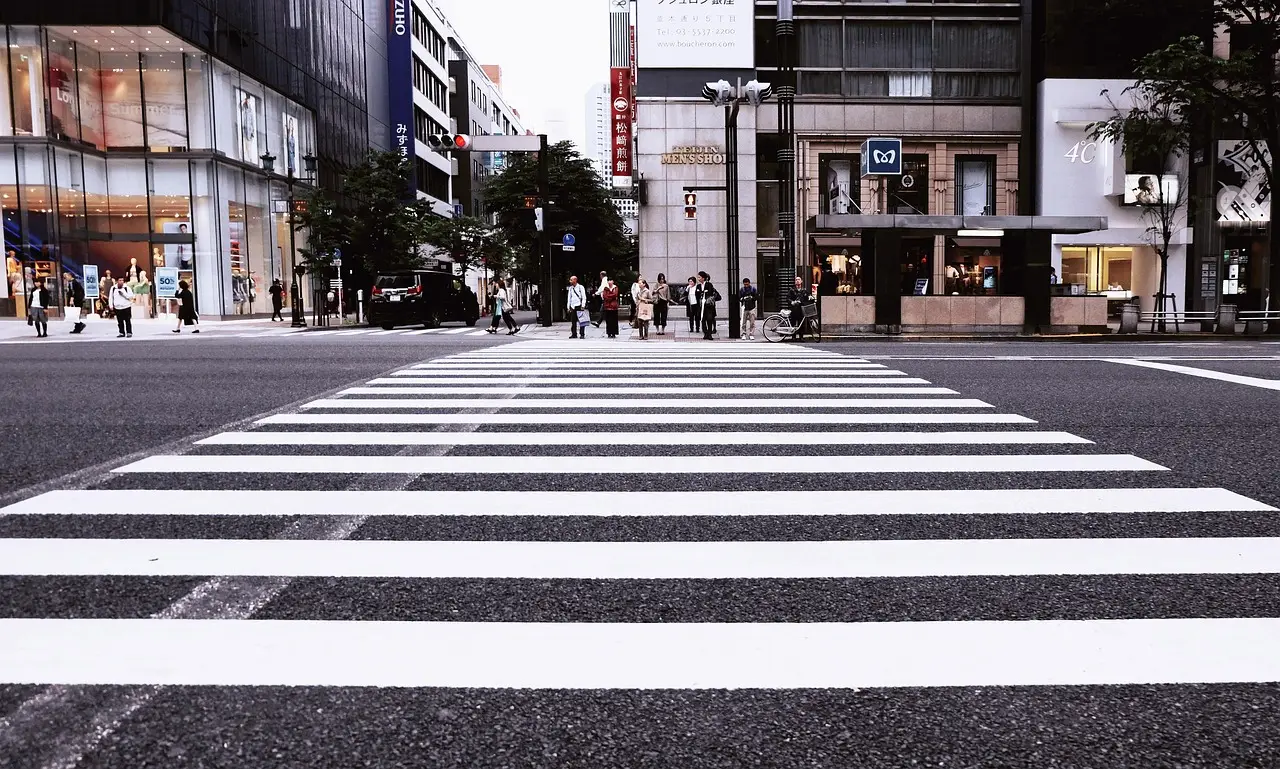
Hoboken sits just across the Hudson River from Manhattan. Its dense street grid, many mixed-use buildings and abundance of public transportation pushed it to the top. Three other Garden State cities made the top 10 as well: Union City, West New York and Jersey City.
Which cities round out the top nine?
- West Hollywood, California — Walk Score 91, fourth place. The city packs over 300 restaurants, bars and coffee shops into just under two square miles, and its walkability keeps the Sunset Strip's nightlife scene safely accessible on foot.
- Boston — "You can walk from the historic brownstones of Beacon Hill to the boutiques and restaurants of Back Bay, through the Public Garden, and into the South End without ever feeling like you're covering much ground," says George Sarkis, CEO and cofounder of the Sarkis Team at Douglas Elliman.
- San Francisco — One of the highest transit scores in the country makes going car-free easy. Resident and Wesely & Associates realtor Wendy Newman, there since 1987, describes the appeal: "In one outing, you can buy groceries, stop for coffee, admire a Victorian's unreasonable paint palette, nod at the neighbor whose face you know but whose name you still haven't learned, and discover a bookstore you weren't looking for."
- New York — Kate Wollman-Mahan of Christie's International Real Estate New York cites a stark figure: life expectancy in New York City is five years longer than the national average — 82.3 years versus 77.3, according to the city-run Health Dashboard and economist Jonathan Miller.
- Washington, DC — Walk Score gives DC a 98, the highest raw number cited in the analysis. The Spy Museum even built its own free walking tour. "We send them around the National Mall and downtown area with espionage history that happened in those exact places throughout history," says Aliza Bran, the museum's director of media relations. Dupont Circle, U Street, Capitol Hill and Georgetown rank among the most walkable neighborhoods.
- Chicago — Tops the US in a separate Preply ranking. "You can walk between Chicago's five most-visited attractions (the Art Institute, Millennium Park, Cloud Gate, the Chicago Architecture Center, and the Magnificent Mile) in 28 minutes, about 2,500 steps," says Preply's communications leader Madeline Enos. Sheldon Bishop, founder of the coffee guide BrewAtlas, counts 95 specialty cafes across 41 neighborhoods. "When people can walk to get coffee, they run into neighbors, stop into the bookstore next door, and spend money on the block instead of at a drive-thru," he says.
- Miami — Sandra Masis, director of sales at the residential building Arbor Coconut Grove, points to neighborhoods like Coconut Grove, where "you can walk to restaurants, cafés, shops, parks, and the waterfront, all while enjoying the neighborhood's lush greenery and relaxed atmosphere." Newer districts like Brickell now prioritize walkability too. "Even in a city built around cars, you can create pockets where people can comfortably live, work, and socialize on foot," she says.
- Philadelphia — Second among US cities in GuruWalk's global ranking, behind New York. "Philadelphia has a 4.99 average rating, with 99 percent of reviews at five stars," says GuruWalk's Carolina Martínez. "Walk a few blocks through the historic district and you're standing in front of Independence Hall and the Liberty Bell." New Orleans, San Francisco and Boston complete that top five.
What does this change for buyers and renters? If Fairweather's housing-market logic holds, homes in these dense, mixed-use districts should keep commanding a premium — and cities like Miami and Chicago show that walkability can be engineered into places never built for it.
Original: arborresidences.com
More from Grace Kim
Show full bio
Staff writer covering money, funding and market shifts around construction industry, architecture, interior design at Built Current.
237 articles