On Tarkwa Bay, Building Means Facing What the Mainland Hides
A transformed abandoned building on Lagos's boat-only Tarkwa Bay uses reclaimed materials to expose what mainland construction hides: supply chains, labour, provenance.
- Section
- Architecture
- Author
- By Priya Raman
- Filed
- Length
- 2 min read
Key takeaways
- The project transforms an abandoned building on Tarkwa Bay, an island off Lagos accessible only by boat.
- The work uses reclaimed building materials that carry histories from previous sites.
- Salt and sun alter surface behaviour on the island, shaping how materials perform.
- Local artisan availability directly governs how the construction work unfolds.
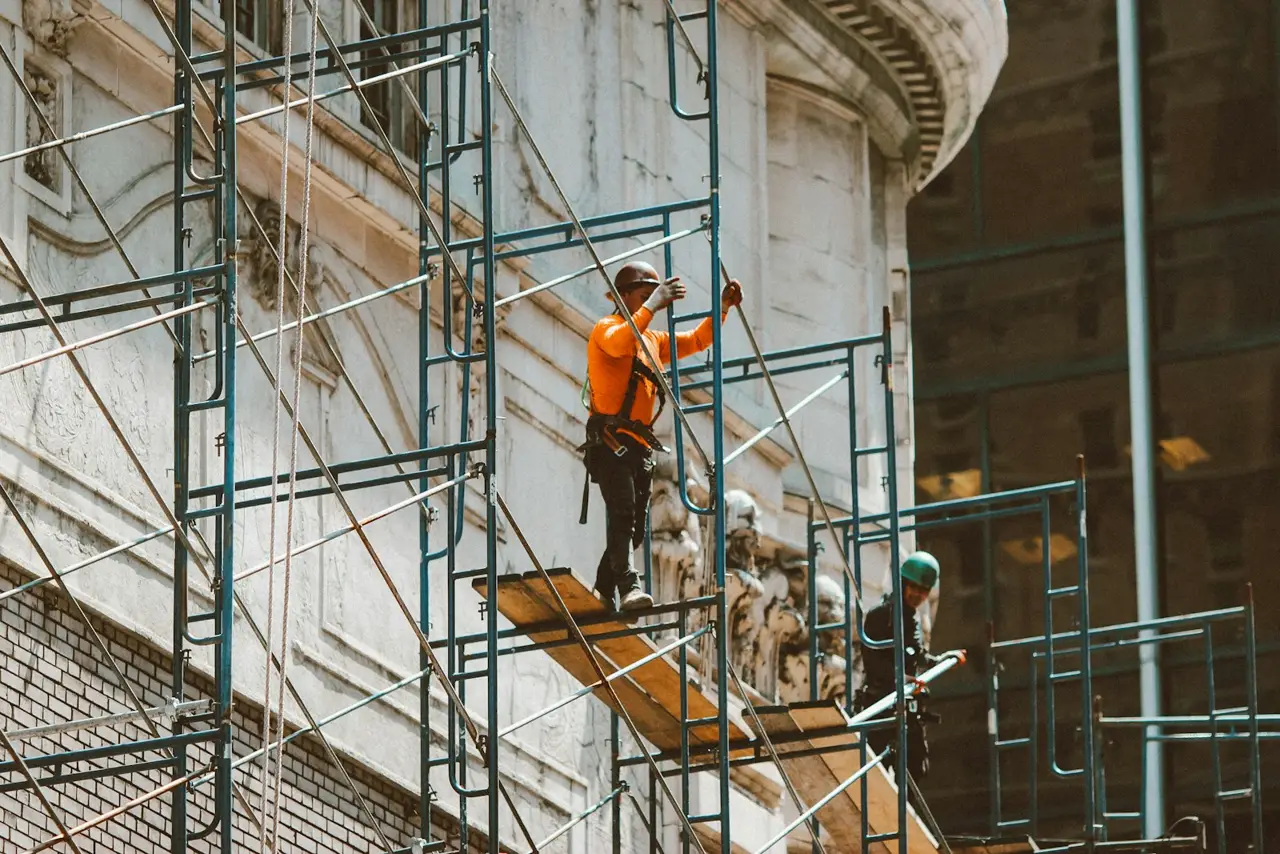
Tarkwa Bay is reachable only by boat, and that single fact reshapes everything built on it. The island sits off the coast of Lagos. An abandoned building there has been transformed using reclaimed materials, and the project's argument is simple: architecture can emerge from the materials, relationships and conditions already present in a place.
By Priya Raman
Buildings usually get noticed at the end of the process. The uncertainties of making have been resolved into a finished object — a surface, a space. What stays invisible, the project's account notes, are "the conditions that allow these outcomes to exist, the movement of materials, the availability of labour, the knowledge held by people and places, and the negotiations through which an idea becomes possible."
On Tarkwa Bay, those conditions can't be separated from the act of building itself.
What does boat-only access change?
Everything moves across water. People, tools and materials all make the crossing from the Lagos mainland, and that introduces what the source calls "a different relationship to access." Some resources are readily available on the island. Others aren't.
The practical constraints compound quickly:
- Reclaimed building elements carry histories from elsewhere before they arrive.
- Salt and sun alter the behaviour of surfaces over time.
- The availability of local artisans determines how the work unfolds.
None of these are framed as prohibitions in the project's account. Instead, they make visible "the dependencies that building elsewhere can allow us to overlook." A mainland site can hide its supply chains, its labour logistics, its material provenance. An island can't.
Why reclaimed materials carry the argument
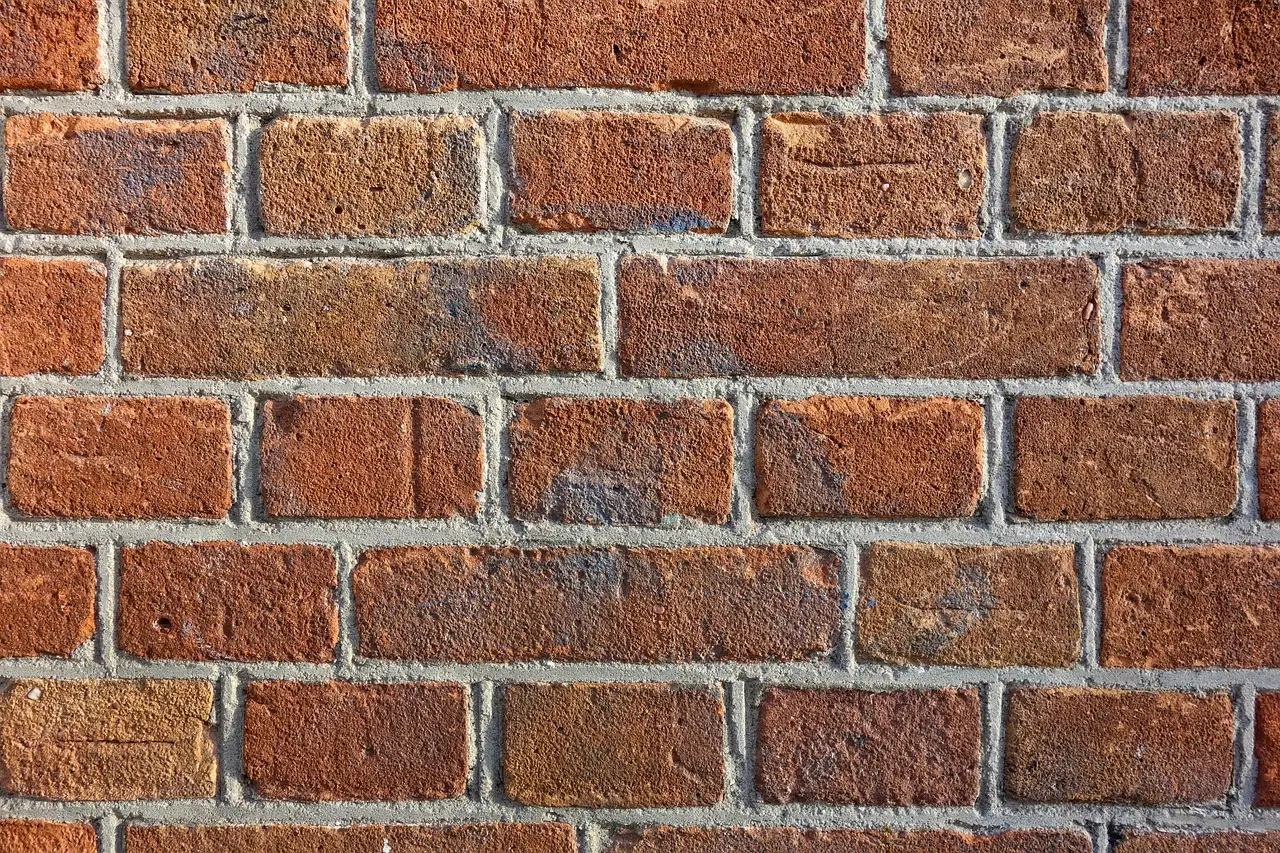
The transformation of the abandoned structure puts reclaimed elements (materials recovered from previous buildings rather than newly manufactured) at the centre rather than at the margins. Each element arrives with a prior use and a prior location. That history becomes part of the building rather than an inconvenience to be erased.
The project's account positions this as a question of attention, not virtue. Architecture, it suggests, is typically encountered "when the uncertainties of making have been resolved." The Tarkwa Bay work keeps those uncertainties on display — where the materials came from, who moved them, what the climate does to them.
What does this change for practice elsewhere?
The island functions as a diagnostic tool. Constraints that mainland projects absorb invisibly — transport, labour availability, material degradation — become design inputs here. The implication runs against standard practice: rather than importing a resolved design and its specified materials, the building emerges from what the site, its people and its supply routes can actually support.
For practices working in coastal or access-restricted contexts, that's a transferable method. Start with the dependencies. Build from what's already in reach.
The project treats making, not finishing, as the discipline's real material — and Tarkwa Bay, reachable only by boat, is where that claim gets tested daily.
Original: en.wikipedia.org
More from Priya Raman
Show full bio
News editor covering people, launches and day-to-day practice in construction industry, architecture, interior design at Built Current.
154 articles