NYC's Pandemic Dining Sheds Get a Book of Their Own
A new book collects New York's improvised pandemic dining sheds, which author Penny Hardy says "created a new typology for building in public space" between 2020 and 2024.
- Section
- Architecture
- Author
- By Elena Vasquez
- Filed
- Length
- 3 min read
Key takeaways
- Penny Hardy's book Pandemic Architecture: NYC Dining Sheds 2020-2024 documents the improvised structures in Downtown Manhattan.
- Hardy says the sheds "created a new typology for building in public space and have forever changed the way we use the street."
- New York mayor Zohran Mamdani recently cleared the legal way for year-round shed installation.
- The book includes essays by New York writers including Michael Bullock and Fred Bernstein.
- Many sheds were built during the 2020-2021 lockdowns and remained up for years afterwards.
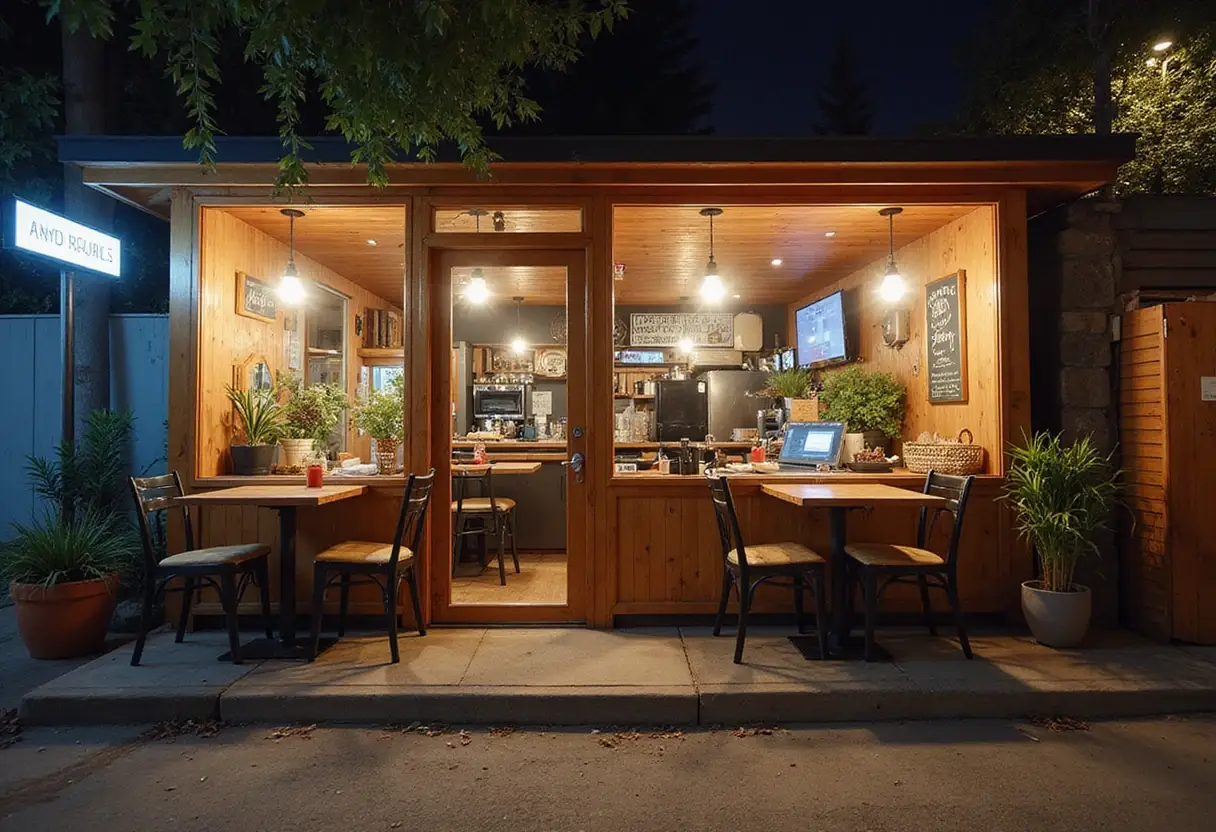
New York's pandemic dining sheds created "a new typology for building in public space" and have "forever changed the way we use the street," according to Penny Hardy, author of the newly announced book Pandemic Architecture: NYC Dining Sheds 2020–2024.
Hardy photographed the structures on walks through Downtown Manhattan during the height of the Covid-19 pandemic and afterwards, when many sheds stayed up for years following the 2020–2021 lockdowns. Her book gathers dozens of these images alongside essays by New York writers including Michael Bullock and Fred Bernstein.
The sheds emerged when indoor dining restrictions pushed restaurants into the street. They ranged from hastily installed tents to elaborate structures with signage and considered design. Most have since come down.
"Before this new typology, the street was aggressively preserved as a place of transit by the city," Hardy told Dezeen. "Now, in addition to transit, it offers a place for people to connect and socialise."
What has happened since?
The city has moved to implement a standardised shed programme, replacing the ad hoc structures with a regulated system meant to keep outdoor seating while maintaining safety and sanitation standards. New York mayor Zohran Mamdani recently cleared the legal way for year-round installation.
Hardy said the new legislation could revive a creativity that high storage and assembly costs had limited during winter months.
"The restaurant owners' resourcefulness, humour, and wildly different tastes made the streets more varied and alive," she said. "The structures were raw, inventive, funny, and as varied as New York itself. They brought an old-school punk, DIY spirit back into an increasingly polished city."
What do the sheds look like?
Hardy's commentary traces a range of approaches across Manhattan neighbourhoods:
- Greenwich Village – A shed Hardy describes as "suburban design via Home Depot," pairing a colonial moulded interior door with magenta plastic panelling, taped hearts and soft pink plywood. "Why didn't they paint the door?" she asks.
- West Village – The neighbourhood institution Julius kept it simple with tents. "Use structures that already exist," Hardy writes.
- Little Italy – Baby John's restaurant built a structure with a curved vinyl banquette, monumental crown and signage visible from blocks away — a "decorated shed" Hardy imagines would have drawn Robert Venturi and Denise Scott Brown into the queue.
- Chinatown – "Exposed electrical wires brought air conditioners and fans into the sheds. Practical and terrifying at the same time."
- SoHo – A thatched roof, white curtains tied with rope tassels and tropical plants conjured "a beachfront cabana."
- West Village – One shed absorbed a postal relay box and carved out space for a neighbouring tree. "Existing street infrastructure becomes part of the architecture."
- NoHo – Dark-stained wood panelling and framed paintings evoked farm life, helping diners forget they were eating in the roadway.
- Flatiron and Nolita – Clapboard siding, gable roofs and modular minimal design marked sheds built with professional input. In Nolita, "even the heaters have been carefully considered, integrated beneath the seating."
Though many of the restaurants have since closed or moved, Hardy argues the structures have permanently changed how New Yorkers view the streetscape. With year-round installation now legally cleared, the question is how much of that DIY spirit survives the city's standardised programme.
Original: rizzolibookstore.com
More from Elena Vasquez
Show full bio
Senior reporter covering money, funding and market shifts around construction industry, architecture, interior design at Built Current.
354 articles