More Than 2,000 Data Centers Now Hold LEED Certification Globally
More than 2,000 data centers globally are LEED-certified or registered, and USGBC says transparency on sustainability now decides whether communities welcome or resist them.
- Section
- Green Building
- Author
- By Elena Vasquez
- Filed
- Length
- 3 min read
Key takeaways
- More than 2,000 data centers globally are LEED-certified and registered, covering 591 million square feet as of September
- About 350 U.S. data centers hold LEED certification, per USGBC's Elizabeth Beardsley
- USGBC launched the Greening AI Data Centers Coalition earlier this year to set sector standards
- Four U.S. states have data-center-specific building performance disclosure laws
By Elena Vasquez
More than 2,000 data centers worldwide are LEED-certified and registered, covering 591 million square feet as of September, according to the U.S. Green Building Council. The figure anchors a growing push by USGBC to make sustainability a centerpiece of how data centers get built, permitted and accepted by the communities around them.
USGBC leaders laid out that agenda Tuesday at the 2026 Greenbuild International Conference + Expo in New York City, where data center sustainability has been a running focus of the event. About 350 U.S. data centers hold LEED certification, Elizabeth Beardsley, senior policy counsel at USGBC, said in an interview at the conference. LEED — Leadership in Energy and Environmental Design — is a widely recognized green building certification standard.
Why transparency is the pressure point
Beardsley's core argument is that secrecy has cost the industry goodwill. "Data center owners and developers are recognizing that they need to be more transparent" about sustainability, she said. "The lack of transparency, in some cases, has hindered their community engagement and backfired in terms of public sentiment."
Put simply: communities that can't see what a facility does with energy and water tend to resist it. Communities with information tend to negotiate.
What USGBC is actually building
The organization is working on several compliance pathways for data center building performance, Beardsley said. Earlier this year, USGBC partnered with other organizations to launch the Greening AI Data Centers Coalition, a global initiative to set standards for the sector.
The policy backdrop is shifting too. Four states have data-center-specific building performance disclosures, and other states have benchmarking laws, according to Beardsley.
She framed the growing dialogue among stakeholders and communities about what these facilities might look like as a positive development. Some communities get significant financial benefits from data centers — money that might help lower taxes, generate investment in local energy resources and boost resilience — so a lot is at stake, she said.
What community deals could look like
Beardsley pointed to concrete models that could emerge from these negotiations:
- Payments to help residents make energy efficiency retrofits in their homes
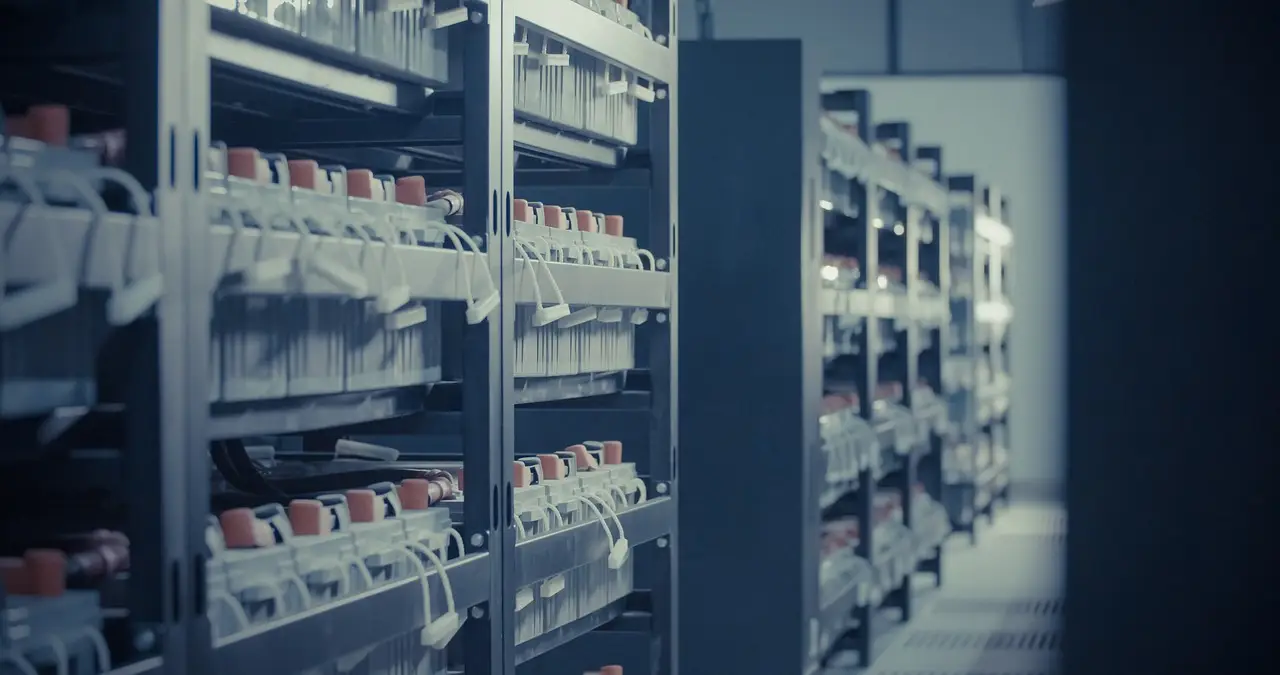
- On-site battery storage at data centers that reduces peak energy use while providing backup resilience for local homeowners
"There [are] different models that are cropping up that I think have a lot of potential, but all those require a lot of coordination from all the different parties — the data center owner and developer, the utility, the community and the jurisdictions," she said.
Where renewable energy fits in
Renewable power is the other lever. Polls show residents are more likely to accept data centers if they run on renewable or clean energy, Beardsley said.
"We're incentivizing use of renewable energy, and I think we see opportunity … to do even more in terms of encouraging some of those community energy best practices and opportunities, like reuse of waste heat," she said.
The takeaway from Greenbuild: with four states already mandating performance disclosures and a global coalition setting sector standards, data center operators that treat sustainability data as a bargaining chip with communities — rather than a PR risk — are the ones positioned to build faster.
Disclosure: The 2026 Greenbuild International Conference + Expo and Facilities Dive are both owned by Informa.
Source: Construction Dive
More from Elena Vasquez
Show full bio
Senior reporter covering money, funding and market shifts around construction industry, architecture, interior design at Built Current.
175 articles