Data Centers Used 485 TWh in 2025 — and May Hit 950 TWh by 2030
IEA data shows data center electricity use could nearly double to 950 TWh by 2030, as a new analysis maps digital technology's full physical footprint from mines to e-waste.
- Section
- Green Building
- Author
- By Marcus Bennett
- Filed
- Length
- 3 min read
Key takeaways
- Data centers consumed about 485 TWh of electricity in 2025; the IEA projects up to 950 TWh by 2030.
- A 2023 study of 28 semiconductor companies reported 789 million cubic meters of water withdrawals and 149 billion kWh of energy use.
- The world generated 62 billion kg of e-waste in 2022; only 22.3 percent was formally collected and recycled.
- Global e-waste could reach 82 billion kg by 2030, per the Global E-waste Monitor 2024.
- A 2024 Italy study modeled data center waste heat supplying 12–59 percent of a district heating mix.
Data centers consumed approximately 485 terawatt-hours of electricity in 2025, and the International Energy Agency projects that figure could approach 950 terawatt-hours by 2030, driven partly by the expansion of artificial intelligence. The IEA figures anchor a new analysis published by designboom as part of its POSTHUMAN UTOPIAS chapter, presented in partnership with INDX|GLOBAL, that maps the physical infrastructure behind digital life — from mineral extraction and semiconductor fabrication to cooling systems, waste heat and electronic waste.
What sits behind the 'cloud'?
The report's core argument is simple. Every search, video stream and AI query runs on physical servers housed in data centers, supported by networks, cooling systems and energy infrastructure. The term 'cloud' suggests an ethereal space, but files occupy tangible places, and the systems that hold them consume energy, water, land and raw materials. Copper carries electricity and data through physical networks; other metals and specialized materials go into circuit boards, batteries and semiconductor components, all extracted, processed and transported through global supply chains whose mining and processing can disrupt landscapes and generate pollution.
How resource-intensive is chip manufacturing?
A 2023 study examining environmental disclosures from 28 semiconductor companies reported approximately 789 million cubic meters of water withdrawals and 149 billion kilowatt-hours of energy consumption across the companies surveyed. The authors note these figures do not cover the entire global industry, but they indicate the scale of resources required to build the components that make modern computing possible.
Why does data center location matter?
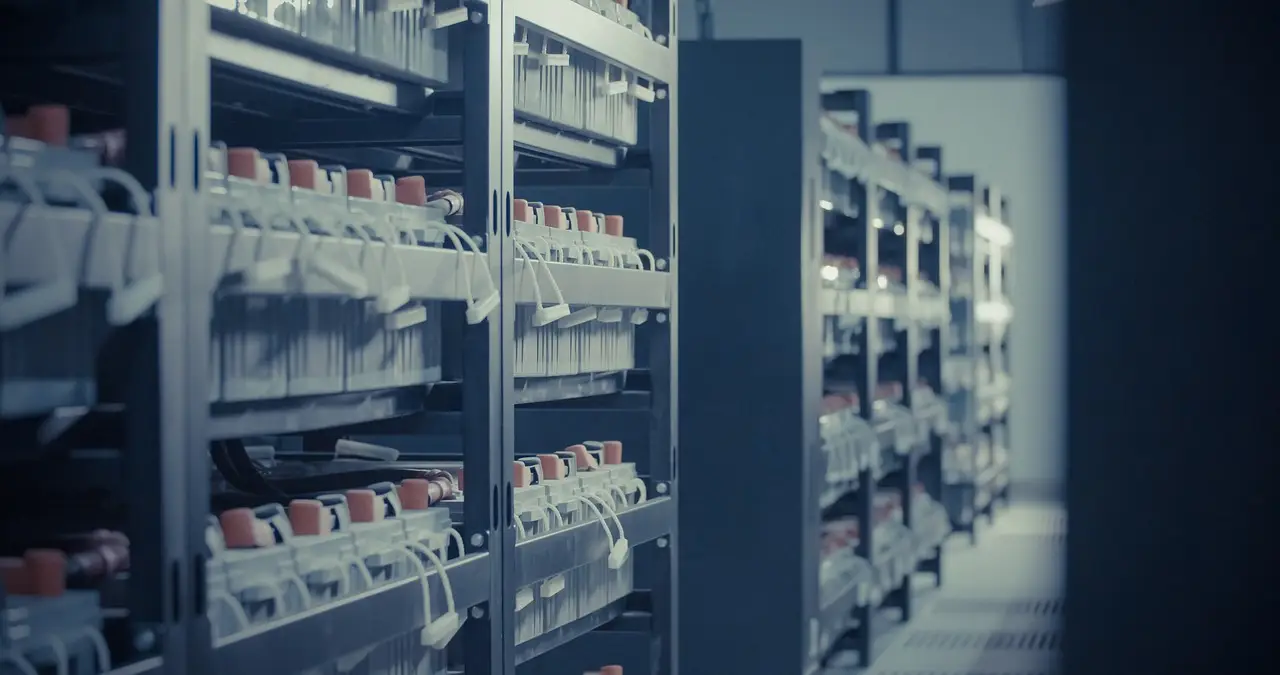
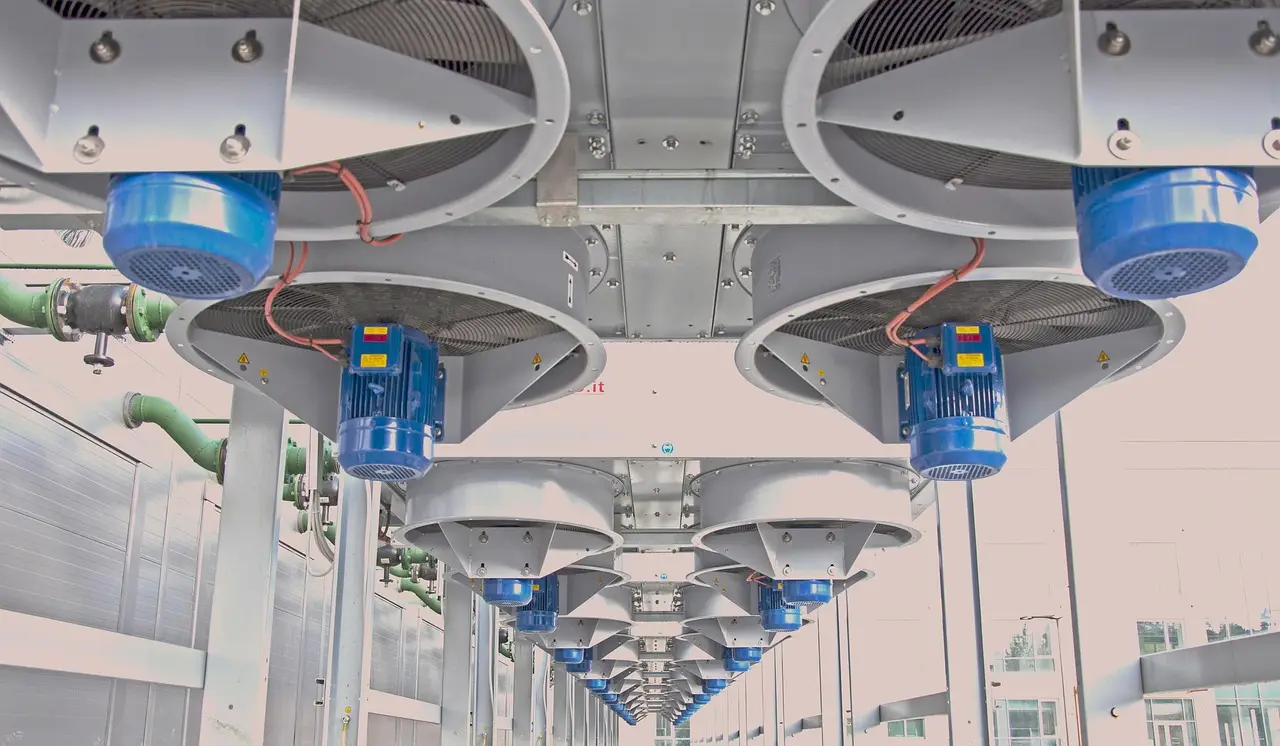
For practitioners, the analysis stresses that where a facility is built shapes its impact as much as what sits inside it. Computing equipment converts much of its electricity into heat, which must be removed by mechanical refrigeration, air-based systems, liquid cooling or combinations of these. A cooling system suited to one climate may fail in a water-scarce region. Even an efficient facility can strain a local grid or compete with nearby communities for water. These decisions are made long before servers start running, yet they determine how a facility affects its surroundings for years.
When does efficiency stop helping?
Efficiency gains tell only part of the story, the report argues. A data center may use less electricity per request yet consume more energy overall if it handles many more requests — the core dynamic of AI, which demands computing power both to train models and to run them. Renewable electricity cuts supply emissions but leaves land, construction materials, servers, cooling equipment and their eventual disposal untouched.
Heat recovery offers one partial answer. A 2024 study modeled integrating data center waste heat into a district heating system in Italy: recovered heat supplied between 12 and 59 percent of the heating mix, and gas consumption fell by approximately 11 to 58 percent. The report cautions these are modeled outcomes, not measured savings, and feasibility depends on the temperature of recovered heat, distance to users and whether heating demand coincides with availability.
How large is the e-waste problem?
The Global E-waste Monitor 2024 reported the world generated 62 billion kilograms of electronic waste in 2022, with only 22.3 percent documented as formally collected and recycled in an environmentally sound manner. It projects global e-waste could reach 82 billion kilograms by 2030. Whether replacing servers with more efficient hardware reduces overall impact depends on operational savings versus manufacturing costs; the analysis points to repair, upgrades and material recovery as the levers that extend equipment life.
The analysis closes on a question practitioners cannot delegate: how much computing do we actually need? As AI and other services expand, improving efficiency will not necessarily reduce overall resource use — and the growing demand for computation deserves as much attention as the technologies developed to meet it.
Original: google.com
More from Marcus Bennett
Show full bio
Correspondent covering money, funding and market shifts around construction industry, architecture, interior design at Built Current.
171 articles