Moldova's Soviet Brutalism: Five Landmarks Shaping Chișinău
Moldova is Europe's least visited country, yet Chișinău concentrates Soviet brutalist landmarks from the Daisy Tower to the 1,900-seat State Circus — many now decaying or under threat.
- Section
- Architecture
- Author
- By Marcus Bennett
- Filed
- Length
- 4 min read
Key takeaways
- Moldova, population just over two million, is the least visited country in Europe.
- The 2015 banking scandal drained roughly $1 billion — about 12.5 per cent of GDP.
- The National Hotel won protected historical monument status in 2022 after 2021 demolition attempts.
- The Chișinău State Circus, built in 1981 for 1,900 seats, now operates a 300-seat venue after 2014 restoration began.
- The 22-floor Romanița 'Daisy Tower', designed 1978–1986, is crumbling with residents bricking up its façade.
By Marcus Bennett
Moldova, home to just over two million people, is the least visited country in Europe — yet its capital, Chișinău, holds one of the region's densest concentrations of Soviet-era brutalist and modernist architecture, much of it now derelict, privatised or fighting for protected status.
Sandwiched between Ukraine and Romania, the country gained independence after the collapse of the Soviet Union, then struggled through economic transition and mass emigration. In 2015, a major banking scandal drained roughly a billion dollars from the financial system — about 12.5 per cent of GDP. That economic history is legible on the façades of Chișinău, where several Soviet-era structures remain incomplete and others decay.
For practitioners, the city offers a live case study in what happens to monumental public architecture when the funding system that built it disappears.
Which buildings define the scene?
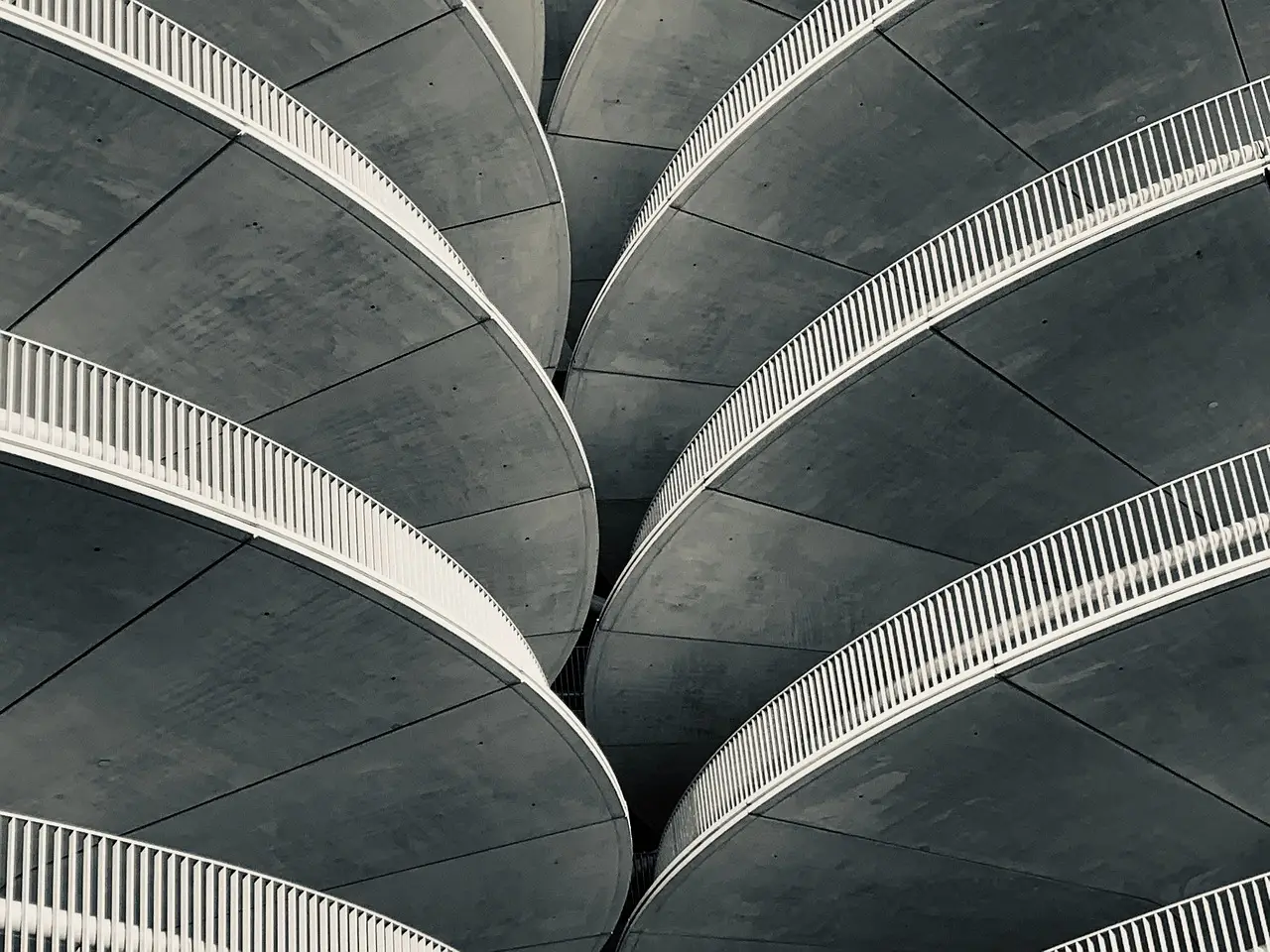
Romanița Collective Housing Tower (the 'Daisy Tower'). Standing 73 to 77 metres tall across 22 floors, this cylindrical residential tower wears flower-like balconies woven around a central core. Oleg Vronski, Octavian Blogu and Serghei Krani designed it between 1978 and 1986 as social housing and dormitories for small families; it served that role until 1997, then went private in the post-Soviet period. It is crumbling today. Residents brick up the façade themselves, while gaping holes expose the core. The winding corridors remain accessible, but the building is still private residential property. Location: Strada Arheolog Ion Casian-Suruceanu 29/2, near Valea Trandafirilor Park.
Chișinău State Circus. Ala Kirichenko and Simion Shoyhet built it in 1981 with 1,900 seats and a 40ft ring — sturdier than any big-top tent. Independence in 1991 and the economic collapse that followed drained its audiences. It closed in 2004. The Ministry of Culture began restoration in 2014, and a smaller venue now operates inside the building with room for 300 people, showcasing classic circus performances. Location: Strada Circului 33.
Hotel Cosmos. Boris Banykin and Irina Kolbayeva designed this 20-storey hotel, constructed from 1974 to 1983 and funded by the labour unions of the Moldavian Soviet Socialist Republic. It was once the country's largest and most popular hotel. After 1990 it declined, with rooms converted to offices and ownership passing private. Today it operates far below capacity, faces potential demolition and encroachment from commercial additions, and is the subject of urgent public appeals to classify and restore it as a protected historical monument. Location: 2 Negruzzi Square.
National Hotel. Aleksandr Gorbunțov and Vladimir Șalaginov designed this 17-storey building in the 1970s, originally the Intourist Hotel, as an elite Soviet flagship hosting foreign dignitaries and celebrities. It featured a 160-seat restaurant with additional halls and three bars. Its 14th-floor bar accepted 14 different non-Soviet and foreign currencies — the only venue in Chișinău that did. After independence and 2006 privatisation, the landmark was stripped and abandoned. Controversial demolition attempts in 2021, intended to make way for office towers, triggered preservation campaigns that secured official listing as a protected historical monument in 2022. The structure remains an empty, decaying shell entangled in ongoing legal freezes. Location: Ștefan cel Mare și Sfânt Boulevard 4.
National Palace 'Nicolae Sulac'. Semyon Fridlin designed this concert hall, completed between 1972 and 1974 as the Octombrie Concert Hall and modelled after Moscow's State Kremlin Palace. Its monumental symmetry and expansive glass-curtain façade exemplify Socialist modernism. Renamed in 2003 after the folk singer Nicolae Sulac, the venue seats up to 2,000 spectators and remains Chișinău's premier stage for major concerts. Location: Alexander Pushkin St 21.
House of the Press. Semyon Shoikhet and Abram Vaisbein completed this building in 1967. Its layout placed commercial spaces on the ground floor, publishing offices across four floors, and a printing press at the rear. Privatisation over the years means only a minority of tenants are now media outlets. Horizontal window banding defines the structure, still visible from National Palace Square, though commercial signage largely obscures the ground floor. Location: Strada Pușkin 22.
What does this mean for preservation?
The pattern across Chișinău is consistent: monumental public buildings commissioned by the Soviet state lost their funding model overnight in 1991. Some found partial reuse, like the circus. Others, like the National Hotel, survive only because campaigners forced legal protection. The Hotel Cosmos now sits at the same decision point the National Hotel faced in 2021.
Chișinău's architectural mix also includes 19th-century Tsarist Russian and art deco designs, but it is the brutalist heritage and Soviet-era modernism that define the capital. Rather than a single 'old town', the streets set historic façades, Soviet blocks and modern enterprise side by side — an urban condition that rewards close reading.
The question practitioners will watch: whether Moldova extends the protected-monument status won for the National Hotel to the Cosmos and the Daisy Tower before deterioration makes the decision moot.
Original: google.com
More from Marcus Bennett
Show full bio
Correspondent covering money, funding and market shifts around construction industry, architecture, interior design at Built Current.
328 articles