Madrid's Filandón Sells Its Menu in a Glass Greenhouse Shop
Filandón in Madrid sells its own menu in a Trenchs Studio glasshouse shop, stocked with organic produce from a 60-hectare regenerating monastic farm 240 miles away.
- Section
- Architecture
- Author
- By Priya Raman
- Filed
- Length
- 3 min read
Key takeaways
- Filandón in Madrid's El Pardo opened a glass greenhouse farm shop selling the vegetables its kitchen cooks.
- Trenchs Studio of Barcelona designed the shop with an aluminum frame, pitched glass roof, and motor-free alicantina blinds.
- The produce comes from Granja de los Monjes, roughly 240 miles (385 km) northwest, where the family is regenerating about 148 acres (60 hectares).
- The restaurant group, Pescaderías Coruñesas, was founded in 1911 and rescued Lhardy (est. 1839) from insolvency in 2021.
By Priya Raman
A Madrid restaurant now sells the exact vegetables it cooks with, through a glass greenhouse installed at its front door. Filandón, set in the woods of El Pardo on Madrid's edge, uses the glasshouse as a farm shop. Every crate of potatoes and string of dried chilies comes from the restaurant's own organic farm.
Who designed it, and what's it made of?
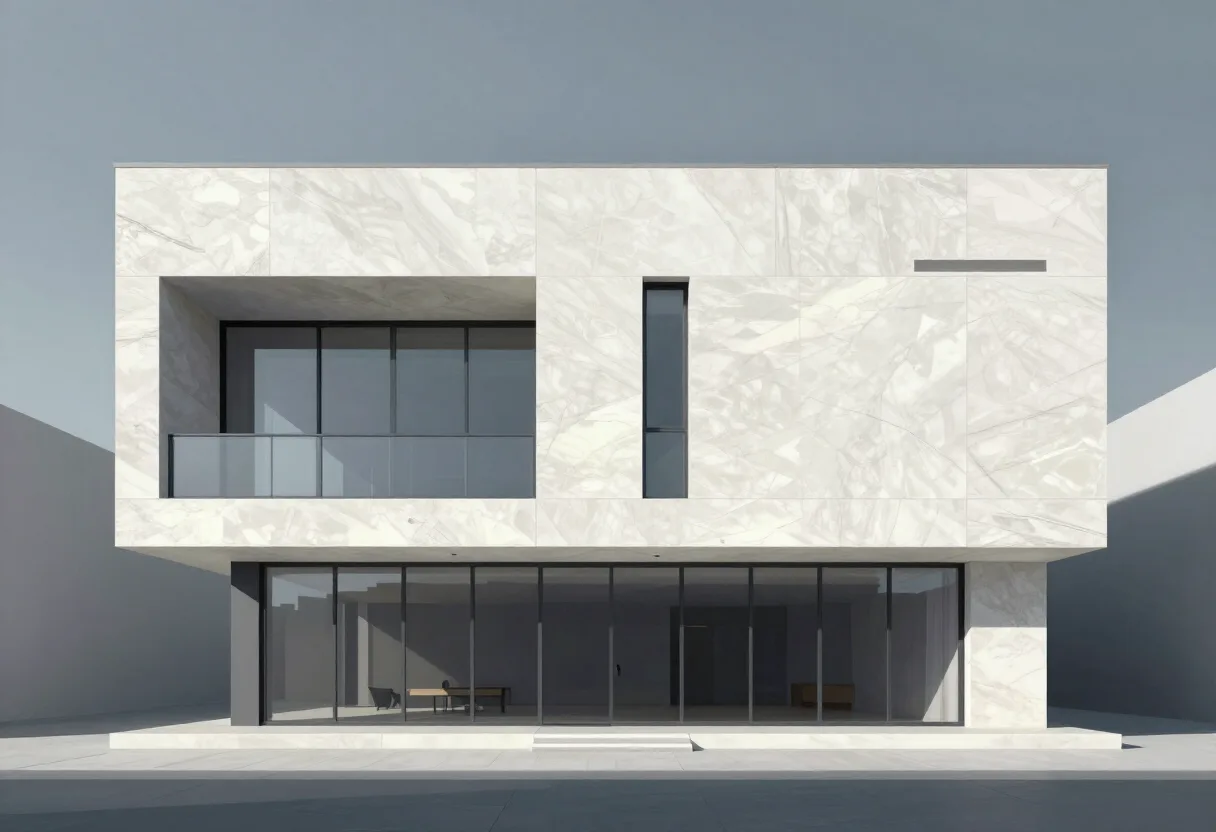
Barcelona-based Trenchs Studio designed the structure. Founder Ricard Trenchs has spent nearly two decades designing restaurant interiors. The building borrows its silhouette from the classic 19th-century European glasshouse (the cast-iron-and-plate-glass structures built to shelter exotic plants), but updates it with a slim aluminum frame in a dark olive finish. The pitched glass roof carries decorative cresting along the ridge and blends with the trees of Monte de El Pardo, one of Europe's best-preserved Mediterranean forests.
The details do real work:
- Custom bronze pedestals outside hold baskets of produce and rearrange with the seasons
- A wood-and-stone table serves as a counter and guides shoppers through the space with no interior walls
- A dark herringbone timber floor runs through the interior
- An oak unit in warm tobacco tone lines the back wall, lit by focused lighting
- Ceramic lamps with linen shades sit on the stone-topped table
- Gooseneck lamps glow above the doors; dried chili ristras hang inside the frame
Where does the produce come from?
The vegetables travel from Granja de los Monjes — literally "the monks' farm" — roughly 240 miles (385 km) northwest of Madrid by road, in the El Bierzo region. The family behind Filandón bought Granja de Santullano, a 12th-century monastic grange in San Esteban de Valdueza long tied to farming and winemaking, and is regenerating about 148 acres (60 hectares) there. Restoration crews found an 18th-century wine cellar hidden beneath the old buildings.
Tomatoes, potatoes, piparra peppers, artichokes, lettuce, and asparagus grow there organically. The harvest supplies the group's Madrid restaurants, and the greenhouse lets diners carry some of it home — the same tomatoes and peppers that landed on their plates an hour earlier.
What does this change for the restaurant group?
The operator is Pescaderías Coruñesas, founded in A Coruña in 1911 to bring seafood to Madrid. It runs El Pescador, O'Pazo, and Filandón, and in 2021 it rescued Lhardy, a Madrid institution dating to 1839, from insolvency. The greenhouse shelves also carry Pescaderías Coruñesas preserves alongside Lhardy's liqueurs. The name Filandón itself is an old Leonese word for winter fire-side gatherings where villagers spun thread — from the Latin filum — and the García Azpiroz family behind the restaurant traces its roots to the muleteers of León's Maragatería area.
How do you keep a glass shop cool in Madrid?
Glass has one big weakness in Madrid: the sun. Trenchs addressed it with alicantina blinds — wooden slats strung on cord that hang outside windows across Alicante, Valencia, and Murcia. They roll up on a simple pulley, shade the glass, and let air slip between the slats, all without a motor. Architects across Spain have been reviving them as a low-tech way to limit heat gain. Here, olive-green wooden blinds stretch across the greenhouse roof, adjustable through the day and across seasons to keep the shop usable year-round.
The model has precedents, but with a twist. Petersham Nursets in London combines a greenhouse, restaurant, and store on one property; Amsterdam's De Kas grows produce in the same glasshouse where you eat. At Filandón, the glasshouse is the shop, while the growing happens 240 miles away. Trenchs once described the challenge of an all-glass Barcelona restaurant he designed as giving a transparent space its own identity and narrative — at Filandón, the produce supplies it. Expect more restaurateurs to treat retail as a natural extension of the dining room.
Source: Yanko Design
More from Priya Raman
Show full bio
News editor covering people, launches and day-to-day practice in construction industry, architecture, interior design at Built Current.
231 articles