LA Metro Breaks Ground on 12.4-Mile Vermont Avenue Bus Corridor
LA Metro broke ground on a 12.4-mile Vermont Avenue BRT line, fully funded with nearly $150M in federal money, promising 24% faster trips and 66,000 daily riders by 2028.
- Section
- Urbanism & Planning
- Author
- By Grace Kim
- Filed
- Length
- 2 min read
Key takeaways
- LA Metro broke ground Wednesday on a 12.4-mile BRT corridor along Vermont Avenue, expected to open in 2028.
- The FTA awarded the project nearly $150 million on Sept. 1, making it fully funded with state and local money.
- Metro estimates the BRT will cut end-to-end travel times by up to 24%.
- The completed corridor is expected to carry over 66,000 riders a day.
- The project upgrades 26 stations and connects four Metro Rail lines and more than 13 bus routes.
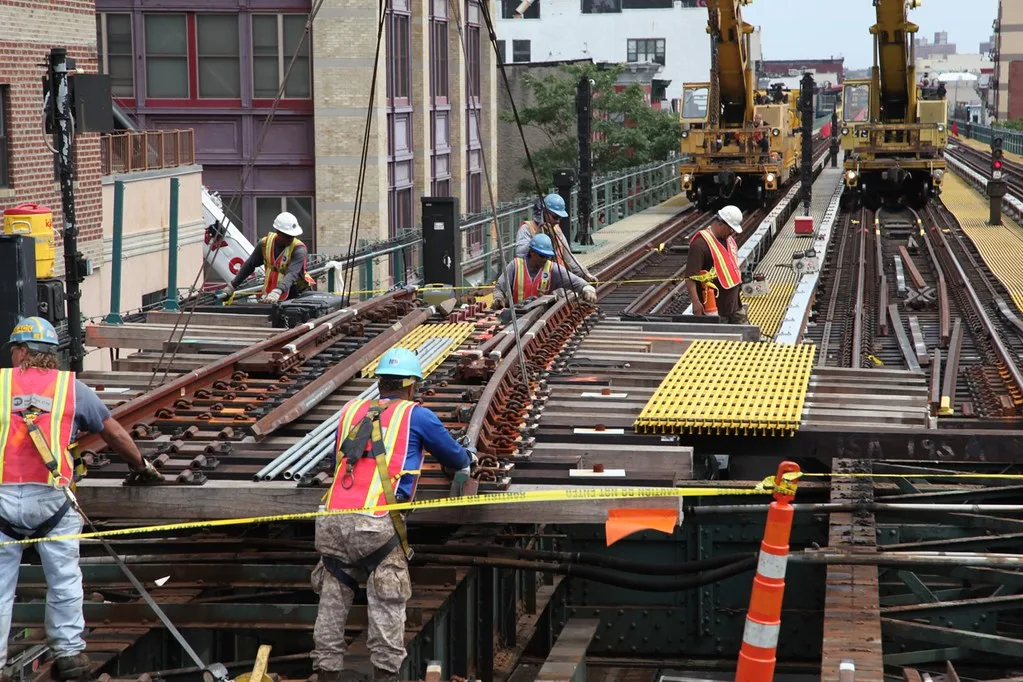
Los Angeles County Metropolitan Transportation Authority broke ground Wednesday on a 12.4-mile bus rapid transit corridor along Vermont Avenue, west of downtown LA. The agency expects the line to carry more than 66,000 riders a day when it opens — potentially in time for the 2028 Summer Olympics.
The numbers behind the project stack up quickly. The Federal Transit Administration awarded it nearly $150 million through its Capital Investment Grant Small Starts Program on Sept. 1. Add state funds and local voter-approved sales tax revenue, and the Vermont BRT is fully funded, according to LA Metro.
What does the corridor actually change for riders?
Plenty. The route will get curbside bus lanes in both directions, transit signal priority, off-board fare payment and all-door boarding. LA Metro estimates the BRT system will shorten end-to-end travel times by up to 24% by eliminating bottlenecks where the road narrows. Bus on-time performance should improve as well.
The line runs north-south, from East Hollywood at its northern end to the West Athens neighborhood at the south. It connects with four Metro Rail lines and more than 13 east-west bus routes. Along the way sit several 2028 Olympic venues, including the Los Angeles Memorial Coliseum and Exposition Park Stadium, plus the University of Southern California, the new Lucas Museum of Narrative Art, Los Angeles City College and nearly 90 schools.
"By improving the Vermont corridor, we fortify the north-south backbone of our bus system," LA Metro CEO Stephanie Wiggins said at the groundbreaking ceremony.
"We're delivering fast, reliable, seamless transit LA County residents and South Los Angeles residents deserve," Los Angeles County Supervisor Holly Mitchell said at the same event.
Street-level upgrades beyond the buses
Metro isn't just painting lanes. The project will upgrade 26 bus stations along the corridor with better lighting, real-time arrival displays, emergency call buttons and accessible curb ramps, according to a Metro press release. The agency is also installing:
- Wider sidewalks
- Protected bike lanes
- Bus bulb-outs to shorten street-crossing distances
When can riders use it?
LA Metro anticipates opening the full service in 2028. But riders won't wait until the Olympics for every mile — portions of the corridor will go into service as the lanes are completed, Metro said in a press release.
That phased rollout matters for a corridor that touches USC, dozens of schools and two Olympic venues. If the travel-time savings hold at 24%, Vermont Avenue becomes a faster spine for South LA commuters well before the opening ceremony. The groundbreaking sets a hard 2028 deadline for Metro to deliver on that promise.
Source: Construction Dive
More from Grace Kim
Show full bio
Staff writer covering money, funding and market shifts around construction industry, architecture, interior design at Built Current.
160 articles