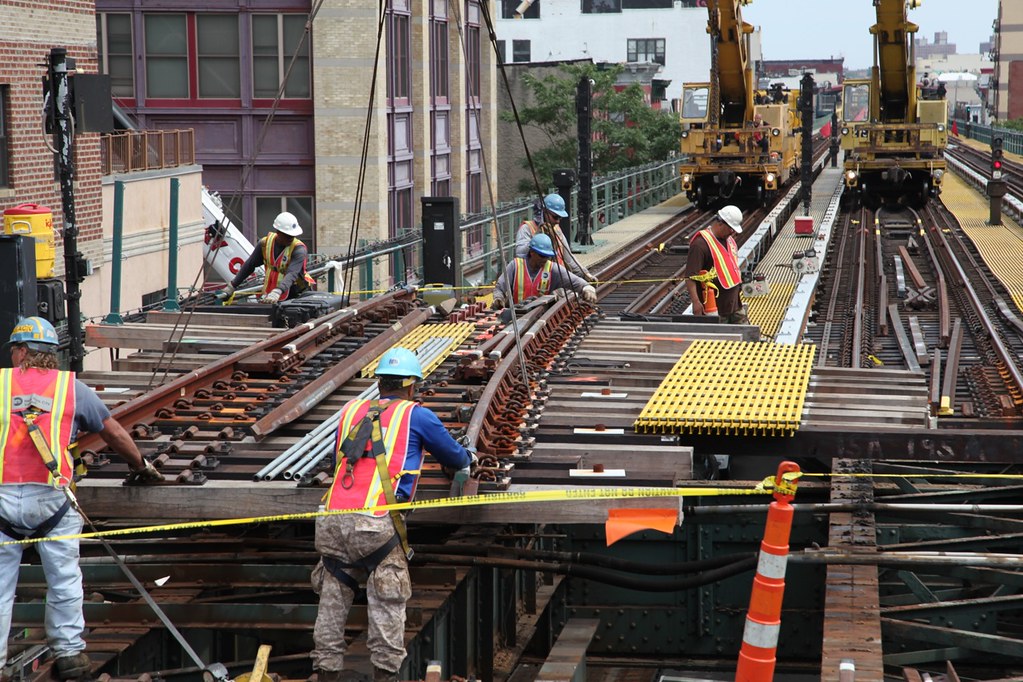
Chicago, New York and Seattle transit chiefs on funding gaps
Chicago, New York and Seattle transit leaders laid out fixes for revenue shortfalls, legal challenges and inflation at an American Public Transportation Association conference.
- Section
- Urbanism & Planning
- Author
- By Amara Osei
- Filed
- Length
- 1 min read
Key takeaways
- Transit leaders from Chicago, New York and Seattle spoke at an American Public Transportation Association conference.
- The panel addressed revenue shortfalls, legal challenges and inflationary pressures.
- Each city's representatives outlined their own solutions to the funding gaps.
Chicago, New York and Seattle transit leaders laid out their answers to revenue shortfalls, legal challenges and inflationary pressures at an American Public Transportation Association conference.
The three agencies sent senior figures to speak on the same panel, which is itself a signal: none of them has solved the money problem alone, and all of them expect to keep explaining themselves in public.
What did the transit leaders actually discuss?
The session, reported by the conference's coverage, put three pressures on the table:
- Revenue shortfalls across agency budgets
- Legal challenges tied to projects and funding
- Inflationary pressures on construction and operations
Each city's representatives outlined their own approach to those problems. The common thread is blunt: the old funding models don't stretch, and the people running the systems know it.
Transit agencies across the US have spent the past several years absorbing cost spikes that no farebox recovery formula anticipated. That a panel like this draws leadership from three of the country's largest systems suggests the issue is structural, not local.
Why does this matter now?
Because the pressures compound. A shortfall constrains the capital plan; inflation raises the price of the same plan; litigation slows delivery and raises it further. Talking about all three at once is the honest version of the conversation.
The American Public Transportation Association, which convened the session, serves as the industry's main convening body — which means the strategies aired here tend to circulate far beyond the three cities that presented them.
Expect the funding fight to move from conference panels to legislatures, where the actual decisions get made.
By Amara Osei
Original: imgproxy.divecdn.com
More from Amara Osei
Show full bio
Market editor covering companies, deals and strategy in construction industry, architecture, interior design at Built Current.
126 articles