Kansai Electric Buys Into 150 MW Virginia Battery; Renova Signs ¥10.34bn Loan
Kansai Electric bought a minority stake in a 150 MW/600 MWh Virginia battery plant, Blue Elephant Energy financed 96 MWp of German agrivoltaics, and Renova signed a ¥10.34 billion green loan.
- Section
- Green Building
- Author
- By Amara Osei
- Filed
- Length
- 2 min read
Key takeaways
- Kansai Electric agreed on November 16 to acquire a minority stake in the 150 MW/600 MWh Prospect Power Storage facility in Virginia.
- Blue Elephant Energy secured Commerzbank financing for 96 MWp of agrivoltaic projects in Germany, commissioning in Q3 2027.
- Renova signed a ¥10.34 billion, seven-year green syndicated loan on November 16 with Mizuho Bank and others.
- Prospect Power is the largest operational standalone battery storage facility in the PJM Interconnection market.
Kansai Electric Power agreed on November 16 to acquire a minority stake in Prospect Power Storage, an operational 150 MW/600 MWh battery facility in Rockingham County, Virginia. That's the largest operational standalone battery storage project in the PJM Interconnection market, according to the deal announcement, and it gives the Japanese utility a slice of a working asset rather than a promise on paper. The purchase price, ownership percentage and financing details stay undisclosed, which is the industry's prerogative and a reader's frustration.
What does Kansai Electric actually get?
An operating plant, for starters. Prospect Power delivers four hours of storage at full output. Owners Elevate Infrastructure and ArcLight Capital Partners built it; Kansai Electric now holds an unspecified minority interest. PJM serves parts of 13 US states, so the asset sits inside one of America's largest wholesale power markets. Revenue figures weren't disclosed either. The pattern is familiar: Japanese capital buying derisked US infrastructure instead of greenfield risk.
How will Germany's agrivoltaic trio work?
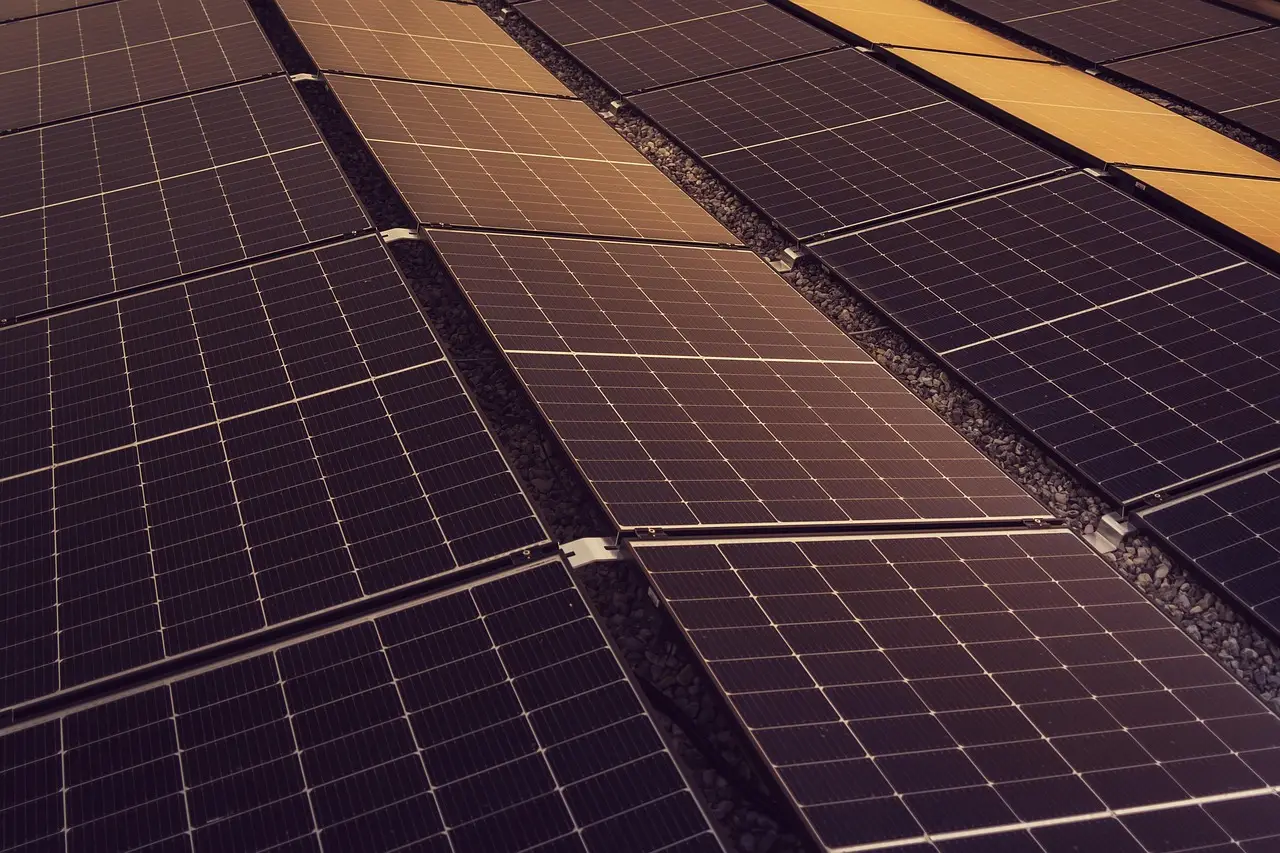
Blue Elephant Energy secured project financing from Commerzbank for three agrivoltaic solar installations totaling 96 MWp in Mecklenburg-Western Pomerania. Construction has already started. Commissioning is scheduled for the third quarter of 2027.
The portfolio breaks down as follows:
- Pingelshagen — 43 MWp
- Alt Meteln — 33 MWp
- Klein Trebbow — 20 MWp
GOLDBECK SOLAR handles construction. The design uses solar tracking systems and nine-metre-wide agricultural strips between module rows, sized so farming machinery can keep working the land underneath. Think of it as a field doing two jobs at once. The installations carry a planned operational life of 30 years, and Blue Elephant Energy will manage them after commissioning. The financing amount and total investment, once again, remain undisclosed.
Why is Renova borrowing ¥10.34 billion?
Japanese renewable developer Renova signed a ¥10.34 billion green syndicated loan on November 16 to finance investments in renewable energy projects. The facility runs seven years, with Mizuho Bank among the participating lenders. Proceeds will flow across Renova's solar power, onshore wind and energy storage businesses, both in Japan and overseas.
The agreement comes with financial covenants, including a provision covering consecutive consolidated operating losses — a clause that tells you the lenders priced in some caution. Renova expects the financing to have a minor impact on its consolidated earnings forecast for the fiscal year ending March 2027. No project-level allocation of the ¥10.34 billion was provided.
The week's through-line is simple: money moved toward storage and dual-use solar, and much of it moved quietly. With Prospect Power already running and Mecklenburg-Western Pomerania's trio due online by Q3 2027, watch whether more Japanese utilities follow Kansai Electric's route into operational US assets rather than development-stage gambles.
Source: greentechlead.com
More from Amara Osei
Show full bio
Market editor covering companies, deals and strategy in construction industry, architecture, interior design at Built Current.
361 articles