Hillsborough Approves Rays Stadium Bonds Despite $500M Annual Shortfall Risk
Hillsborough County approved sales tax revenue use and public bond sales for a new Tampa Bay Rays stadium, despite Amendment 3 threatening up to $500 million a year in losses.
- Section
- Urbanism & Planning
- Author
- By Priya Raman
- Filed
- Length
- 2 min read
Key takeaways
- Hillsborough County approved sales tax revenues and public bond sales for a new Tampa Bay Rays stadium.
- Amendment 3 could cost Hillsborough County up to $500 million per year in lost revenue.
- The original stadium deal passed 5-2 in August; two commissioners replaced on election day serve until January.
- Public funds won't be released until the Rays put up their share and further approvals are authorized.
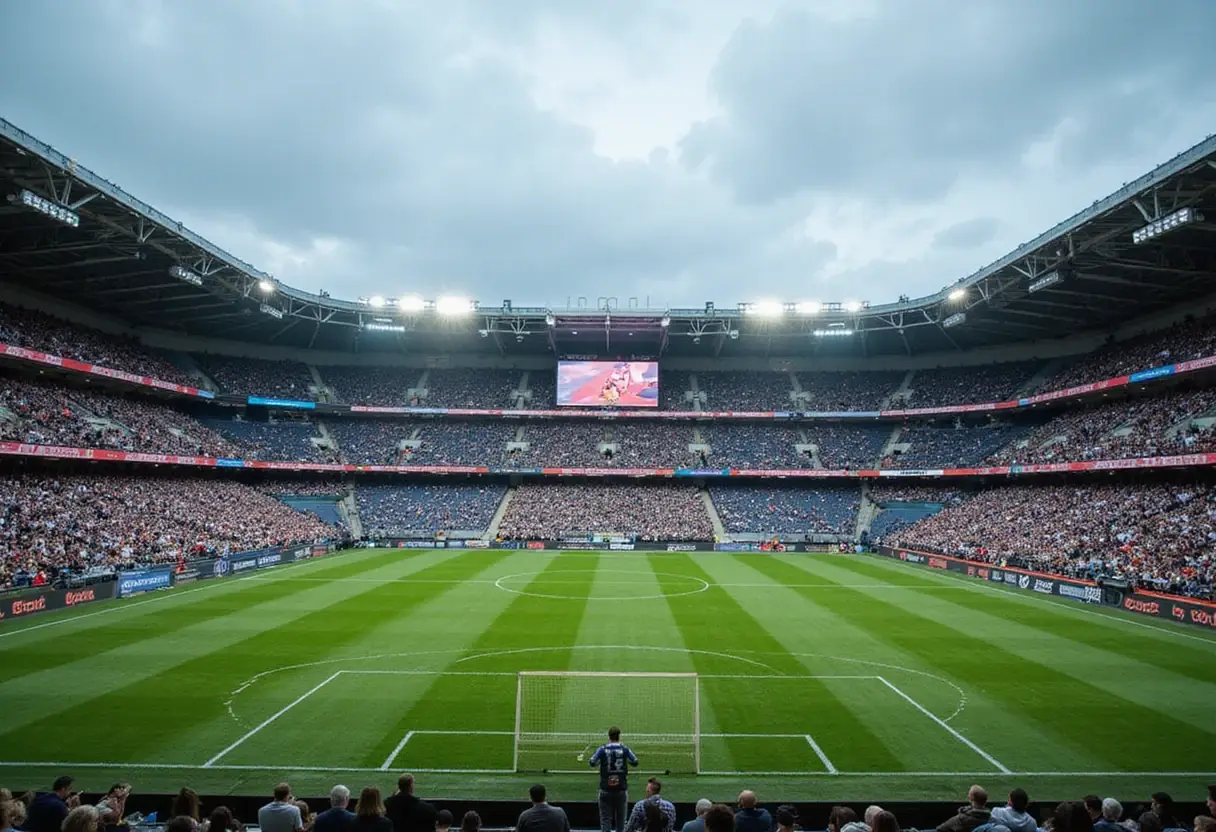
Hillsborough County commissioners voted yesterday to approve sales tax revenues and the sale of public bonds for a new Tampa Bay Rays stadium — even as a newly passed state amendment threatens the county with losses of up to $500 million a year.
The vote was expected. The commission approved the overall stadium plan 5-2 back in August, and the two commissioners replaced on election day remain in office until January. But election day changed the financial math.
What does Amendment 3 change for the stadium deal?
Residents packed public comment to press commissioners on the impact of Amendment 3, a statewide measure that slashes property taxes (local government levies on real estate values). Some urged the county to pull out of the deal. Others argued the project matters more now, not less, because of the revenue squeeze.
"To move forward with the contract of this magnitude without recalculating the long-term compounding impact on our post-Amendment 3 budget would be standard political arrogance and gross financial negligence," Hillsborough County resident Elizabeth Braden said.
Amendment 3 cuts both ways for the county. It increases pressure on city and county budgets — potentially half a billion dollars a year in losses for Hillsborough alone — and it shrinks the tax revenue generated by the Rays development that officials planned to redirect toward stadium costs.
Not everyone agrees the deal should stop. Hillsborough County resident Doug Batista testified: "Amendment 3 makes projects like this even more important. We can't simply cut our way out of those challenges. We also have to find ways to grow our economy and expand our tax base."
Is the deal final?
Not entirely. The city and county both approved the Rays deal earlier this year, but neither will release public funds until two conditions are met: the team puts up its own share, and additional approvals come through.
The sales tax money itself remains contested. The funding is drawn from the Community Investment Tax (a local sales tax fund approved by voters after officials promised it would not be used for stadiums).
Commissioner Joshua Wostal, one of the two no votes on the original deal, lost his reelection bid last week. He isn't going quietly. "I'm about to have a lot more free time on my hands to ensure that the public is completely protected from this process," Wostal vowed.
What happens next?
Stopping the deal at this stage looks nearly impossible. The bonds are approved. The timeline for the departing commissioners runs to January. The structural funding questions — the Community Investment Tax dispute, the Rays' payment obligations, and the Amendment 3 revenue gap — will land on the incoming commission and county budget office.
Rays stadium deals have collapsed before at seemingly settled stages, most recently when uncertainty over the team's temporary home stalled county bond approval in 2024. The county's $500 million annual exposure now guarantees the deal stays a political fight into the new year.
Source: fieldofschemes.com
More from Priya Raman
Show full bio
News editor covering people, launches and day-to-day practice in construction industry, architecture, interior design at Built Current.
306 articles