GSIS Solar Loans Pass P10 Billion as Government Workers Chase Cheaper Power
GSIS has released P10.18 billion in solar loans under its Ginhawa program, with 66,233 applications worth P19.81 billion filed as pressure from power bills drives demand.
- Section
- Green Building
- Author
- By Amara Osei
- Filed
- Length
- 2 min read
Key takeaways
- GSIS has released P10.18 billion under the Ginhawa Solar Energy Loan program.
- 66,233 applications worth P19.81 billion were received as of Nov. 11.
- P10.12 billion has been credited; P57.17 million granted; P87.37 million still processing.
- GSIS chief Wick Veloso cited bills falling from P7,000 to P300 a month.
The Government Service Insurance System (GSIS) has released P10.18 billion under its Ginhawa Solar Energy Loan program, the state pension fund said, as demand for residential solar installations kept climbing.
The figure lands at a useful moment. Electricity prices in the Philippines rank among the highest in Southeast Asia, and the program's pitch is blunt: borrow from your own pension fund, put panels on your roof, and cut the monthly bill.
The numbers behind that pitch are substantial. As of Nov. 11, GSIS had received 66,233 loan applications worth P19.81 billion combined — nearly double what it has actually paid out. Of the total, P10.12 billion had already been credited to borrowers, P57.17 million had been granted, and P87.37 million remained under processing.
What does the loan actually finance?
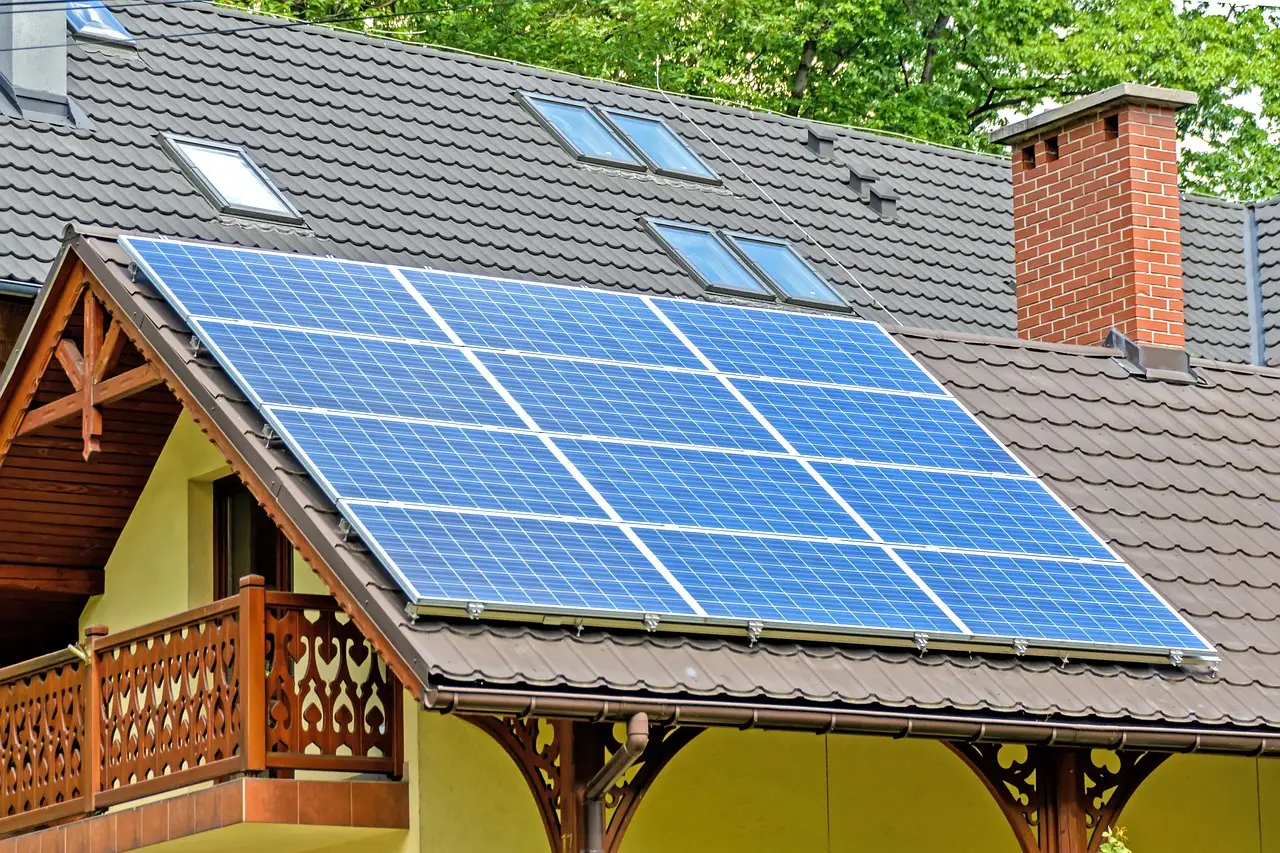
The facility pays for the installation of solar energy systems for qualified GSIS members and pensioners. That's the scope, plainly stated. Government workers and retirees apply, and if they qualify, the loan covers the hardware and installation of a home solar setup.
GSIS frames the program as doing two things at once: helping its members lower electricity costs, and supporting the country's shift toward cleaner energy sources. One loan, two policy goals. Efficient, if it works.
How big are the savings?
GSIS President and General Manager Jose Arnulfo "Wick" A. Veloso offered the program's headline arithmetic himself.
"Imagine reducing your monthly electricity bill from P7,000 to just P300," Veloso said.
That's a drop from P7,000 to P300 — a 96 percent cut, if the example holds in practice. For a household paying P7,000 a month, the difference is P6,700 every billing cycle. Against a loan portfolio now past P10 billion, the math explains why 66,233 people have already lined up.
What comes next?
The gap between applications and disbursements is the number to watch. Roughly P9.6 billion in requested loans — the difference between the P19.81 billion applied for and the P10.18 billion released — sits outside the released total, whether pending, granted, in processing, or destined to be declined. GSIS has not said how it plans to manage that pipeline.
What the figures do show is appetite. Residential solar has moved from curiosity to volume business for the pension fund in short order, and the program's growth ties two threads together: household pressure from power bills and a national push toward cleaner sources. As long as both hold, the queue at GSIS is unlikely to shrink.
Source: bworldonline.com
More from Amara Osei
Show full bio
Market editor covering companies, deals and strategy in construction industry, architecture, interior design at Built Current.
354 articles