Bay Foreshore Erosion Forces Minister to Call Councils to the Table
Mordialloc spends £750 a year on its foreshore and recovers £679, as erosion along Port Phillip Bay forces Works Minister Goudie to call an emergency conference of bayside councils.
- Section
- Landscape & Public Space
- Author
- By Elena Vasquez
- Filed
- Length
- 4 min read
Key takeaways
- Minister of Works Mr. Goudie convened a conference of councils last Wednesday over serious foreshore erosion on eastern Port Phillip Bay.
- Mordialloc spends £750 a year on foreshore maintenance against £679 revenue, with £5,332 spent over five years.
- Chelsea railway revenue reached £25,000 last year, with one picnic drawing 10,000 people.
- A company has bought roughly 1,000 acres on the Westernport slopes at £12–£15 an acre for a £200,000–£300,000 paper and pulp scheme.
- Thieves stole 21 dozen vases at the Spring wild-flower show and seven irreplaceable vases brought from England 45 years ago.
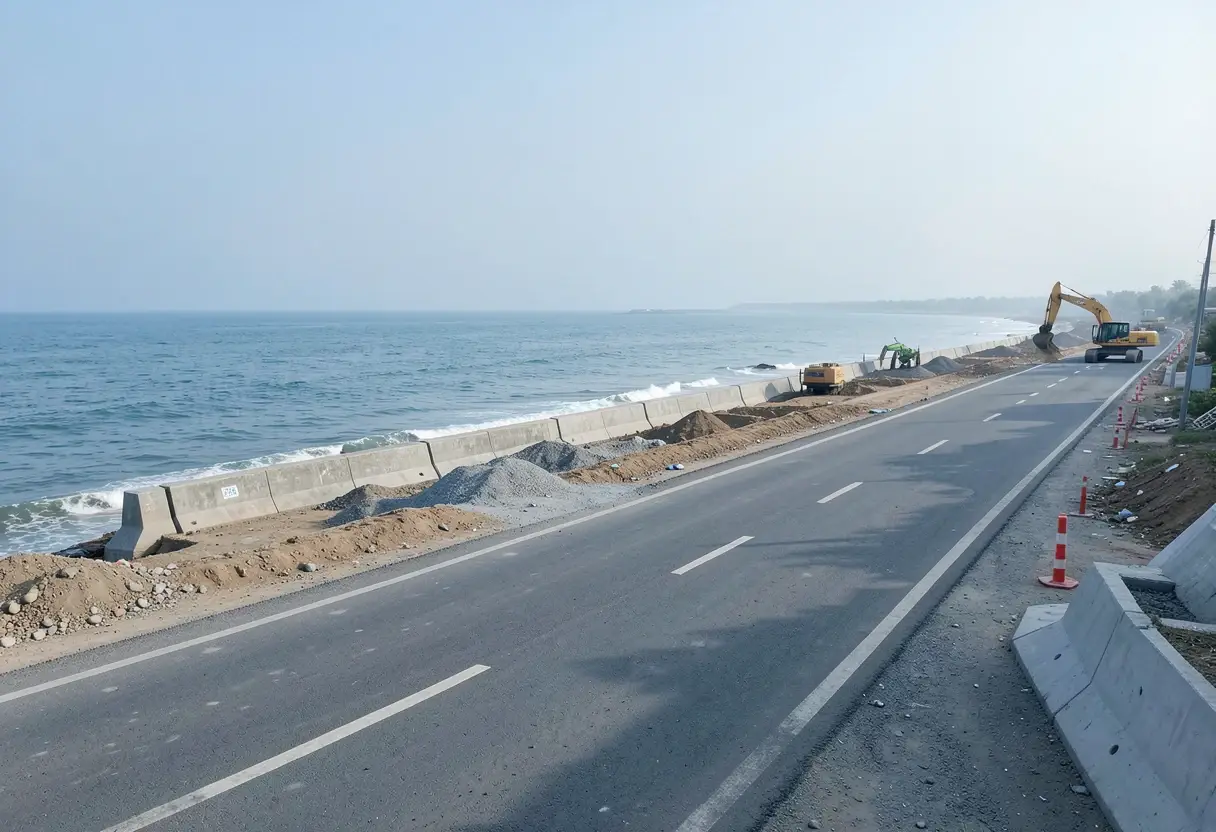
Mordialloc spends £750 a year maintaining its foreshore and collects only £679 back — a gap that pushed Victoria's Minister of Works, Mr. Goudie, to convene an emergency conference of bayside councils last Wednesday to deal with erosion on the eastern shore of Port Phillip Bay.
The meeting, held at the Minister's office, drew council representatives and foreshore organisations from across the peninsula. Goudie told them that several councils and other bodies had already asked the Government for help repairing the damage. He wanted to know where councils stood, because in his view the problem "should be dealt with without further delay."
Who pays for the disappearing beaches?
That question split the room. Cr. C. G. Imes of Mordialloc said his council was simply out of money. Local rates couldn't rise to cover the shortfall, and while citizens had raised £2,000 for foreshore improvements, none of that money was earmarked for erosion control. Over five years, Mordialloc had spent £5,332 on its foreshore — roughly £1,066 a year, against annual revenue of £679.
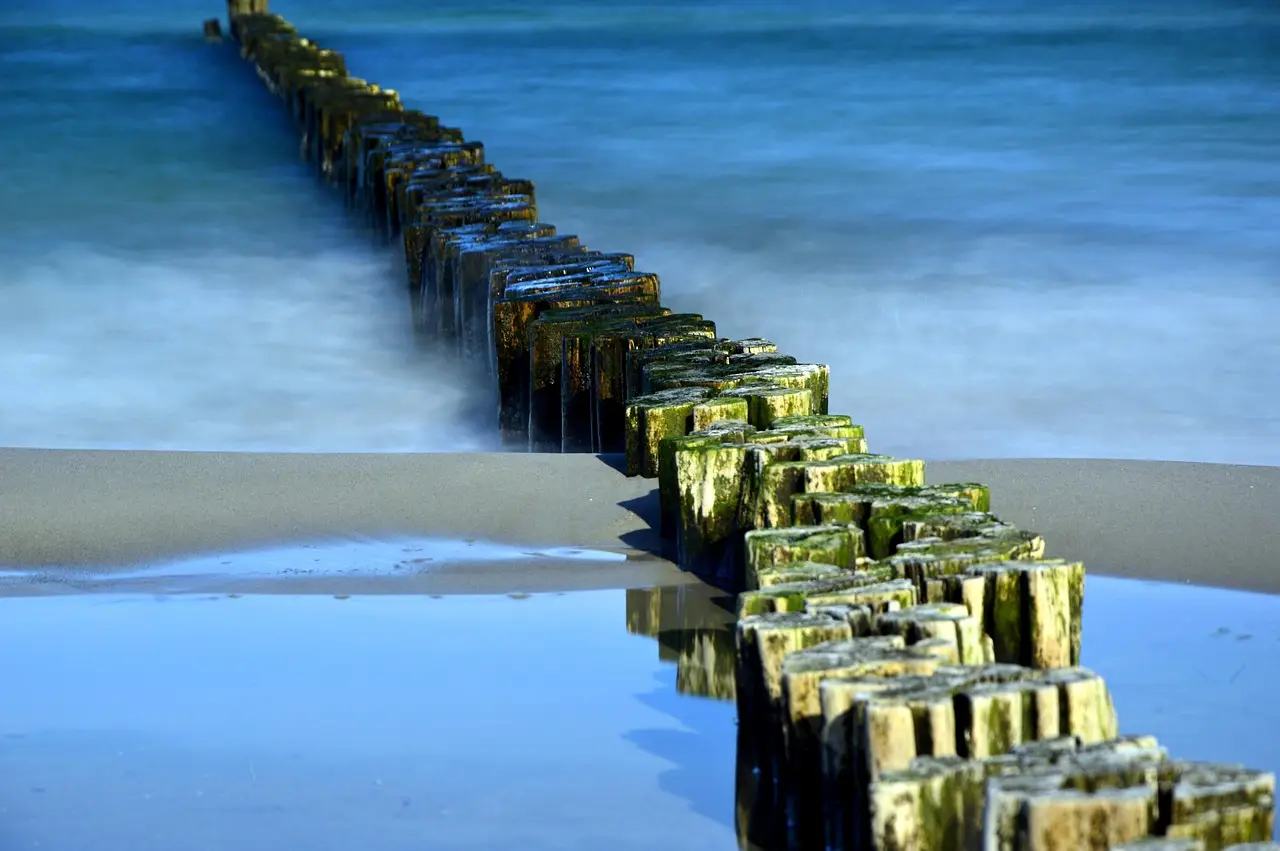
Cr. H. A. Hunter of Carrum argued the fight was a State obligation, full stop. His council had recently spent £688 sewering conveniences and improving beach facilities, alongside Government contributions for beach protection. Groynes would help, he said, but some spots would need retaining walls to hold back high tides and stop westerly winds driving the sea inland. He also pointed to the stakes for the Treasury: Chelsea's railway revenue alone hit £25,000 last year, and a single picnic there drew 10,000 people.
Cr. Boyd of Carrum described cliffs 8 to 10 feet high along the shore and credited a groyne near the Patterson River with saving part of the town from disappearing. He called for an annual Government allocation so bayside municipalities could fund a permanent protection scheme.
What actually works against the sea?
The councils traded evidence. Cr. F. H. Wells of Frankston said a brush fence built at high-tide mark fifteen years ago had reclaimed a large area of beach — but near Oliver's Creek, the sea is now undermining the roadway. Cr. R. Nunn of Mornington said bayside councils were spending to their financial limits to promote their towns as water destinations, and one of Mornington's best beaches is being damaged. Mr. Flannagan, chairman of the Mornington foreshore committee, said councils shouldn't bear the cost alone, though guaranteed Government money might unlock local supplements.
Cr. S. M. Holland of Flinders reported 25 miles of foreshore under his council's care and £300 recently spent repairing erosion near Sorrento, with Government assistance. Groynes near Rye, he said, had proved very effective and could be extended. Mr. G. Martin of the Sorrento foreshore committee blamed the worst erosion on increased water flow caused by deepening the channel at the Heads.
Goudie closed with a hard line: the Government expects councils to share the cost, because the beaches, reserves, roads and private property at risk are theirs. "It could not go on," he said of the erosion. Councils should do something, he added, otherwise they would get nowhere — though their ability to pay could be considered.
Paper mills and pine forests: the Westernport buy-up
A separate play is reshaping the peninsula's interior. A company has begun buying land on the slopes toward Westernport for paper mills and plantation forests producing wood pulp. Mr. W. S. Keast of 140 Queen Street secured offers from nine landholders, including 243 acres 3 roods 22 perches from W. H. Buxton and H. E. Wilson, 162 acres from Rupert Maine, and parcels from Albert John Cox, A. D. Forbes, L. H. W. Sherran, Charles H. Fortesque, A. R. McDougall and Albert E. Elsum.
The price hasn't been disclosed but is understood to run £12 to £15 an acre. The company expects to spend between £200,000 and £300,000 developing the industry, with Westernport serving as its shipping harbour.
Vases stolen from flower shows
Closer to home, the Horticultural Society is counting losses. A thief took 21 dozen vases at the wild-flower show early this Spring, and seven more — valued at 20 shillings each and brought from England by Mr. Collins of "Gracehill" some 45 years ago — vanished at the recent combined show. They cannot be replaced. The society says it will take steps at its next show to prevent a repeat.
Source: baysidenews.com.au
More from Elena Vasquez
Show full bio
Senior reporter covering money, funding and market shifts around construction industry, architecture, interior design at Built Current.
384 articles