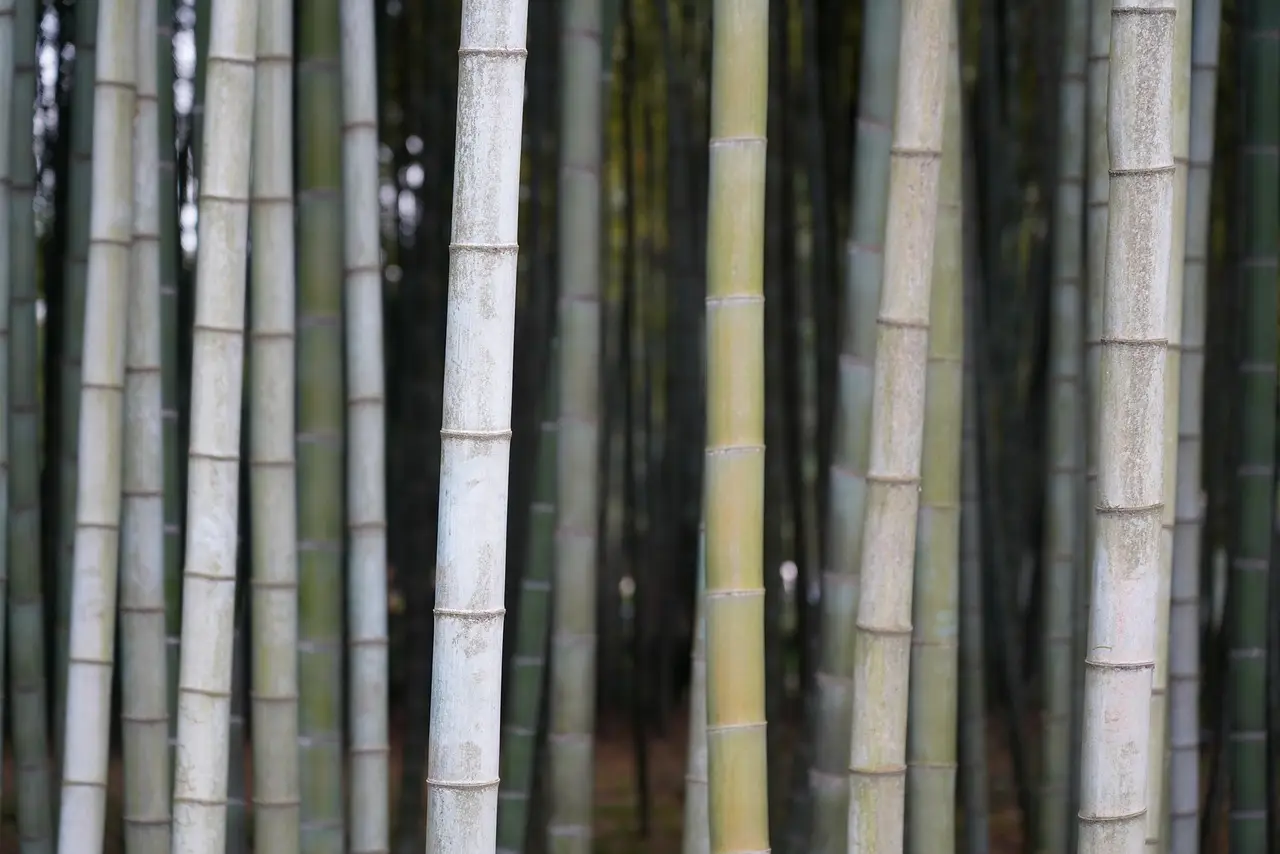
Bamboo Pagoda: Macau's 43-Foot Scaffolding Tower Became a Retreat
Impromptu Projects built a 43-foot Bamboo Pagoda from reused scaffolding on Sai Van Lake, complete with tea-waste flooring and solar spotlights — for just one week.
- Section
- Landscape & Public Space
- Author
- By Amara Osei
- Filed
- Length
- 3 min read
Key takeaways
- Bamboo Pagoda stood approximately 43 feet tall with a roughly 270-square-foot footprint on Sai Van Lake, Macau.
- The public program ran for one week in October 2026, ending October 11.
- Impromptu Projects, led by Rita Machado and João Ó, designed the pavilion; Ephemera Public Space Cooperative organized it.
- Macau added bamboo scaffolding to its Inventory of Intangible Cultural Heritage in 2017; contractor Seng Kei Pang Chong worked on the build.
- Zence Object Technology (CHAZENCE) supplied floor panels made from recycled tea waste and wood chips; solar panels powered the spotlights.
A 43-foot tower built from bamboo that had already served on Macau construction sites stood on Sai Van Lake for exactly one week, ending October 11, 2026. The bamboo worked twice. First it built other things; then it became the destination itself.
Impromptu Projects, the Macau practice led by Rita Machado and João Ó, designed the pavilion, called Bamboo Pagoda. Ephemera Public Space Cooperative organized the temporary installation. Its footprint ran roughly 270 square feet — modest for something with that much vertical presence, roughly the proportion of a pencil standing on a coaster.
What does the structure borrow from tradition?
The design lifts its geometry from the traditional pagoda: an octagonal base tapering upward, with slender bamboo poles forming an exposed structural frame. The joints use traditional scaffolding lashings, and the connections stay visible rather than hiding behind a decorative surface. The craft supplies both the framework and the character.
That craft carries official weight. Macau added bamboo scaffolding to its Inventory of Intangible Cultural Heritage in 2017, and local scaffolding contractor Seng Kei Pang Chong worked on the pagoda. Architectural heritage depends on people who know how to make things, not only designers who appreciate how things look. Giving those skills a public-facing role keeps them relevant.
What materials wrapped and floored it?
A semi-translucent bamboo-fabric skin wrapped the frame, filtering daylight instead of shutting the waterfront out behind an opaque wall. That establishes a boundary without enclosure. It does not guarantee acoustic quiet or weather protection; the more convincing proposition is spatial — a defined place to stop beside the water.
Underfoot, the story takes an unexpected turn. Macau-based Zence Object Technology, also known as CHAZENCE, supplied composite floor panels made from recycled tea waste and discarded wood chips. A byproduct became a usable architectural surface. That's a more substantial decision than a recycled-material accent for visitors to admire and forget.
Solar panels powered the installation's spotlights, according to local reporting. Alongside the reused bamboo and tea-waste flooring, the environmental intentions gained specific substance. Those choices don't establish the project's total carbon footprint, and they don't need to. Knowing where a material came from is a useful place to start.
Why only one week?
The public program lasted a week — a brief lifespan that limits the everyday usefulness of a space built for pausing. A temporary pavilion can't substitute for lasting access to welcoming public places. But it can make a proposal tangible: instead of leaving a contemplative waterfront space in a planning document, the organizers gave visitors an actual structure to enter.
The pavilion's appeal rests in the relationship between its scale and its purpose. A 43-foot tower sounds like an attention-seeking gesture, yet the stated invitation was simply to stop and reconnect with the waterfront. The reused poles, visible construction, and small floor area kept that invitation grounded in a particular place and building culture. More public design should make room for an activity as undemanding as a pause.
Photos by Tang Kuok Hou and Gonçalo Lobo Pinheiro.
Source: Yanko Design
More from Amara Osei
Show full bio
Market editor covering companies, deals and strategy in construction industry, architecture, interior design at Built Current.
237 articles