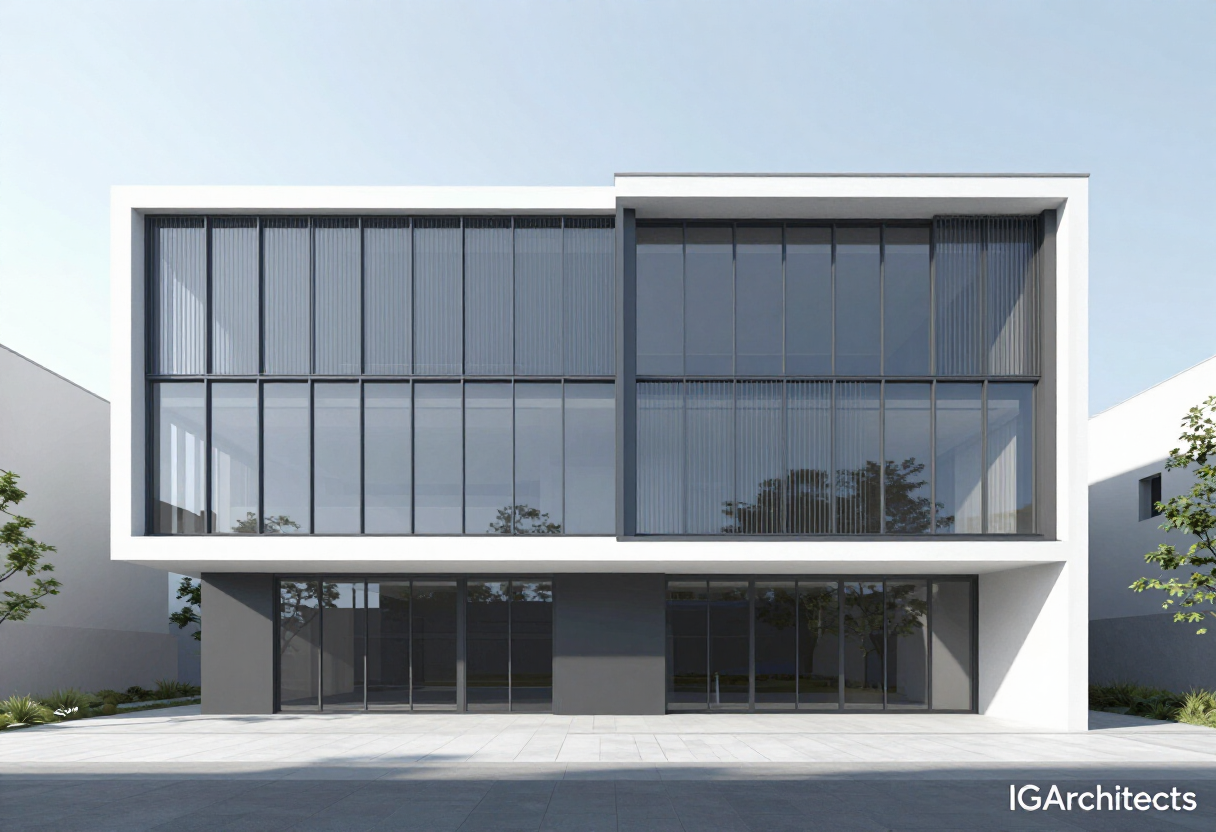
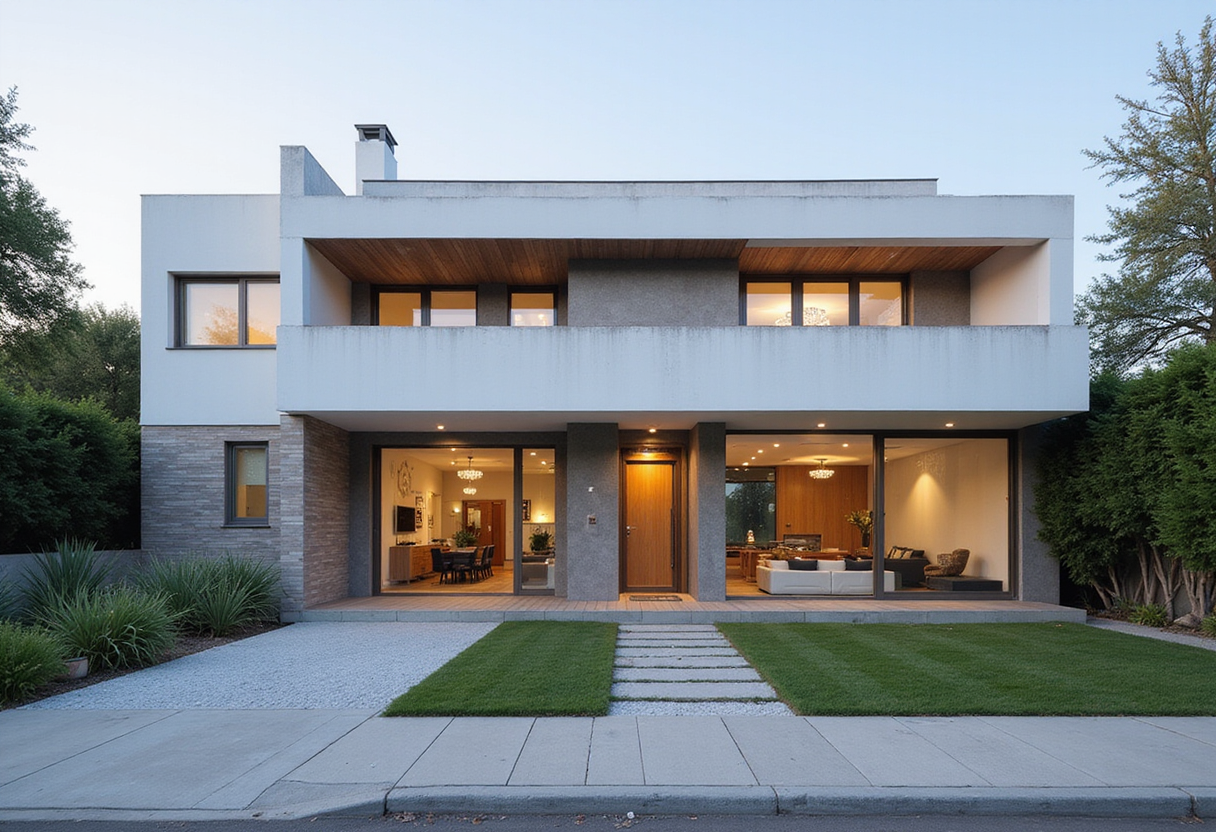
An Unfinished Domestic Device as a Threshold Between Interior and Landscape
Project EX presents an unfinished domestic device that holds the threshold between interior and landscape, treating incompletion as an active architectural strategy.
- Section
- Architecture
- Author
- By Elena Vasquez
- Filed
- Length
- 2 min read
Key takeaways
- The project is published under the EX label, denoting an experimental work.
- Its full title is "An unfinished domestic device as a threshold between interior and landscape."
- The design positions incompletion as a deliberate strategy rather than an unfinished construction state.
- The object is framed as a domestic device, not a conventional building.
- The device itself constitutes the threshold between interior and landscape.
The project titled "An unfinished domestic device as a threshold between interior and landscape," published under the label EX, proposes a domestic object deliberately left incomplete. The title itself is the argument: a house-scale device that refuses to resolve fully, standing between the interior and the surrounding landscape.
The concept rests on three terms stated directly in the project's name.
- Unfinished. The device does not reach completion as a conventional dwelling would. Its incompleteness is presented as a design position, not a construction state.
- Domestic device. The work is framed as an instrument of domestic life rather than a building in the traditional sense — a piece of equipment for living.
- Threshold. Its stated role is mediating between interior space and landscape, occupying the interval where the two conditions meet.
What does "unfinished" mean here?
The word carries the conceptual weight of the project. An unfinished object cannot close itself off from its context. By withholding completion, the device stays open to the landscape it borders — the threshold condition is sustained rather than resolved. The interior never fully separates from what lies outside it.
This positions the work within a lineage of architectural thinking that treats incompletion as active. The device does not fail to finish; it chooses not to. That choice is what makes the threshold operative rather than decorative.
Why a "device" and not a house?
The project's language matters. Calling the object a device frames domestic life as something operated, adjusted and inhabited instrumentally. A device implies function, mechanism and use. Attached to "domestic," it suggests a piece of architecture scaled to the rituals of the household — an apparatus that mediates rather than shelters in the conventional sense.
Where does the threshold sit?
Between interior and landscape, according to the project's own title. The threshold is not a door or a wall but the device itself. The object occupies the zone where inside and outside exchange — a position that architectural discourse has long treated as the most charged territory of a dwelling.
By leaving the device unfinished, the project keeps this exchange permanent. The landscape is not framed as a view; it remains a participant in the object's unresolved state.
What can readers take from EX?
The EX designation marks the project as an experimental or exploratory work rather than a built commission. Published under that label, it functions as a proposition: a demonstration that incompletion can be structural to architectural meaning, and that the boundary between interior and landscape can be occupied by an object rather than a membrane.
For practitioners, the project's value lies in its restraint — a single idea, stated in its title and held without dilution.
Source: ArchDaily
More from Elena Vasquez
Show full bio
Senior reporter covering money, funding and market shifts around construction industry, architecture, interior design at Built Current.
126 articles