A9 Dualling: £3.97 Billion Road Programme Targets 2035 Finish
Transport Scotland's £3.97 billion A9 Dualling will dual 83 miles between Perth and Inverness by 2035. Two sections are complete, two are in build and seven are in preparation.
- Section
- Construction
- Author
- By Elena Vasquez
- Filed
- Length
- 3 min read
Key takeaways
- Transport Scotland has invested £3.97 billion in the A9 Dualling programme
- The programme duals 83 miles of the A9 between Perth and Inverness, set for completion in 2035
- Two of eleven sections are complete; two are under construction and seven in preparation
- Tay Crossing to Ballinluig, an 8.2km section, has an estimated cost of £257 million
- The 2026 Delivery Plan targets 50% dualled by 2030 and 100% by the end of 2035
Transport Scotland has committed £3.97 billion to dual 83 miles of single carriageway between Perth and Inverness by 2035, making the A9 Dualling one of Scotland's largest infrastructure programmes. The scheme splits into eleven sections. Two are finished, two are under construction, and seven are in preparation — with every planned milestone delivered on schedule so far, according to the programme.
The stated goals are concrete: better safety, reliability and resilience for commuters, stronger economic links, and improved access for cyclists, pedestrians and public transport users.
What's already built?
Kincraig to Dalraddy was first. A joint venture between Wills Bros Civil Engineering and John Paul Construction built the new 7.5km stretch between autumn 2015 and summer 2017. The contractors also worked with the local primary school, installing planters and bug hotels. Site Manager Paul Gilligan said: "We were delighted to hear how much enjoyment the additional playground facilities we installed have provided the children. It was our parting gift for the warm reception we had received both from the school and the community."
Luncarty to Pass of Birnam followed, completed at the end of 2021 by Balfour Beatty Civil Engineering Ltd. The contract upgraded 9.5km of the A9 and delivered a measurable community package:
- 65 new job opportunities
- Engagement with 4,046 school pupils and further education students
- 65 work experience placements
- 50 days of volunteering for grassroots community initiatives
- 7 apprentice and 10 graduate placement roles on site
- More than £13,663 donated to local good causes by Balfour Beatty and its subcontractors
On the engineering side, the team removed all direct accesses to the A9 carriageway and built four new bridges, giving drivers safe overtaking opportunities while keeping local access intact. Roughly 4km of new and upgraded pedestrian, equestrian and cycle routes now link Luncarty and Bankfoot for the first time.
What's under construction now?
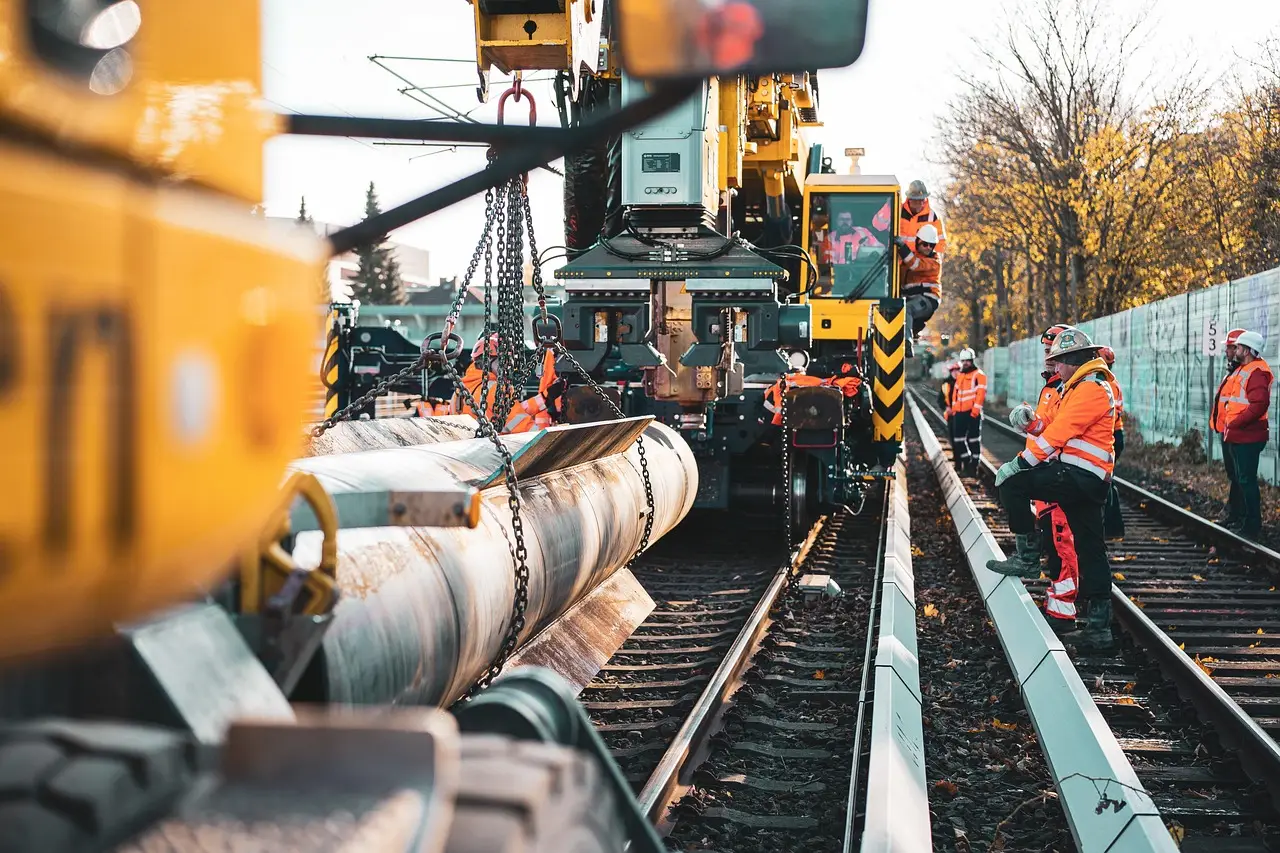
Tomatin to Moy is well underway. Balfour Beatty Civil Engineering Ltd. won the 9.6km contract in July 2024. Before the main works started, subcontractors — including one social enterprise — carried out £500,000 of advance works at Tomatin Distillery in 2022, improving the C1121 with new access roads and replacing the footbridge over the Allt na Frithe.
The centrepiece is a new Moy rail bridge over the Highland Main Line, replacing a structure dating from 1884. When the section is done, drivers will have roughly 33km of continuous dual carriageway south of Inverness, plus around 10km of upgraded active travel routes linking to public transport.
Tay Crossing to Ballinluig is the fourth section. Wills Bros Civil Engineering is starting with a temporary realignment west of the A9 to enable future construction and utility diversions. The 8.2km upgrade carries an estimated cost of £257 million — about £31 million per kilometre — and includes seven left-in left-out junctions, access roads, a roundabout, side road resurfacing and realignment, replacement of several existing structures, and a new overbridge.
When will the A9 be fully dualled?
The programme's 2026 Delivery Plan sets a rolling schedule: continuous construction, phased openings, and 50% dual carriageway between Perth and Inverness by the end of 2030, rising to 67% by the end of 2032, 91% by the end of 2034 and 100% by the end of 2035. If that trajectory holds, the seven sections still in preparation will need to move to construction in quick succession over the next four years.
Source: premierconstructionnews.com
More from Elena Vasquez
Show full bio
Senior reporter covering money, funding and market shifts around construction industry, architecture, interior design at Built Current.
354 articles