5,000 Reclaimed Fragments Rebuild Ukraine's Tree of Life for COP31
Ten artists spent 84 hours assembling 5,000 reclaimed fragments into an interactive mosaic at COP31, reinterpreting Alla Horska's destroyed 1967 Mariupol artwork.
- Section
- Green Building
- Author
- By Amara Osei
- Filed
- Length
- 2 min read
Key takeaways
- The installation at COP31 in Antalya uses approximately 5,000 reclaimed fragments, including 55 kg of construction debris from Kyiv, Mykolaiv and Kharkiv regions.
- Ten artists spent 84 hours assembling 51 elements fixed with 205 magnets, each weighing 1-2 kg.
- The work reinterprets a 1967 mosaic led by Alla Horska in Mariupol, hidden behind a brick wall in the 1970s, rediscovered in 2008 and later extensively damaged.
- UNDP in Ukraine initiated the project with funding from the Government of Japan; artists include Monument-ta studio and the Alla Horska and Viktor Zaretskyi Foundation.
Ten artists, 84 hours of assembly, 5,000 fragments: that's what it took to rebuild Ukraine's Tree of Life for COP31 in Antalya, Turkey. The installation reinterprets a monumental 1967 mosaic from Mariupol — a work led by artist Alla Horska and later destroyed — using reclaimed glass, ceramics, tiles and construction debris instead of the original pieces.
The United Nations Development Programme (UNDP) in Ukraine initiated the project, with financial support from the Government of Japan. The artists come from the Monument-ta mosaic studio and the Alla Horska and Viktor Zaretskyi Foundation, with the artistic concept developed by Tetiana Tadai and Olena Zaretska.
What happened to the original mosaic?
The 1967 Mariupol original became a landmark of Ukrainian monumental art, known for its vibrant colors, organic forms and symbolic imagery. Its history reads like a parable of Soviet cultural management. Authorities concealed the composition behind a brick wall in the 1970s. Builders rediscovered it in 2008, and it regained attention for its artistic and cultural significance. Images published by UNDP Ukraine document the work before and after extensive damage in Mariupol.
The new Tree of Life borrows the original's visual language — colorful botanical patterns, decorative detail — but builds an entirely new composition. It measures roughly 1.25 meters high by 2.1 meters wide and consists of 51 individual elements arranged to form the outline of Ukraine, with one branch extending toward Crimea.
How does the installation work?
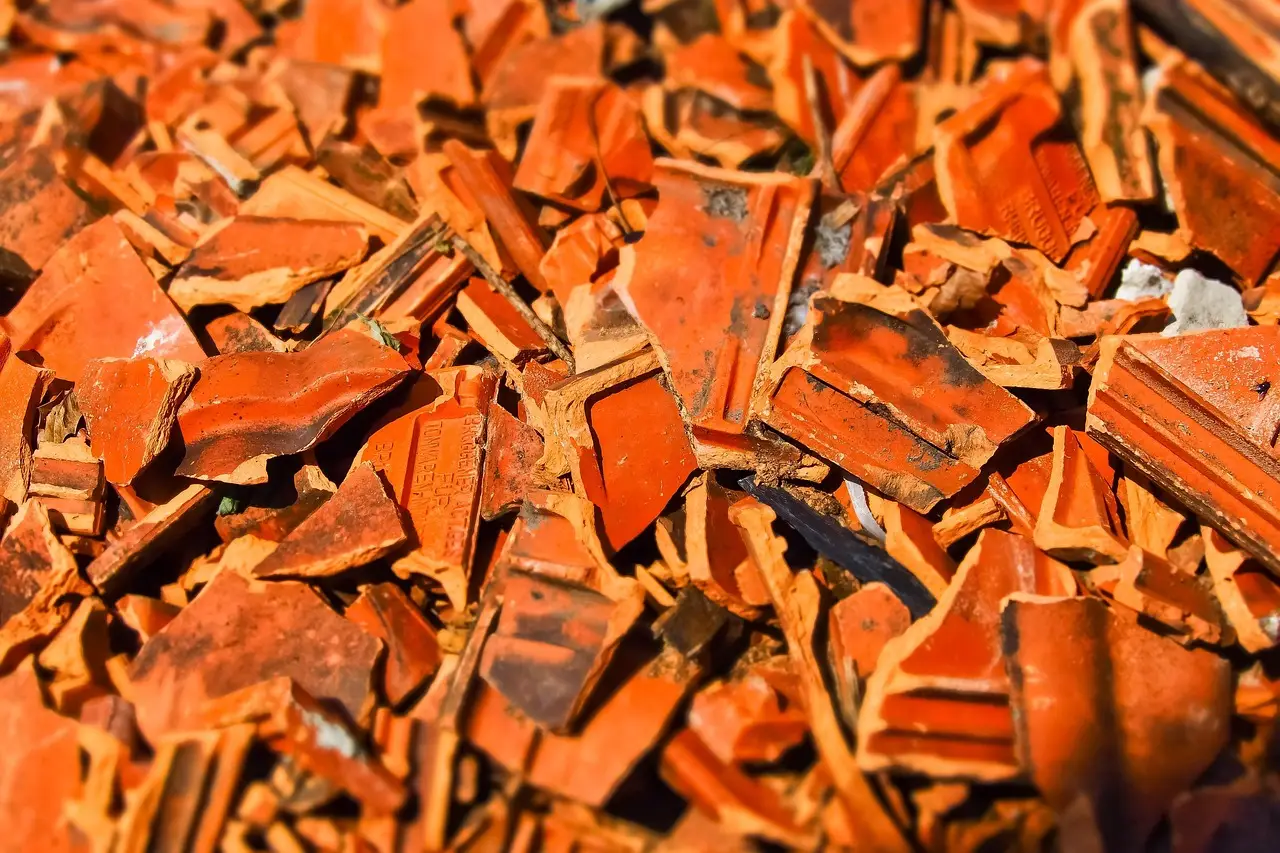
The materials carry their own biography. Among the 5,000 fragments are 55 kilograms of construction materials recovered from buildings in the Kyiv, Mykolaiv and Kharkiv regions. Rubble, in other words, curated.
The system is deliberately modular. The artists developed an arrangement of 205 magnets that lets each element be attached and repositioned. Every section weighs between one and two kilograms, so visitors to the Ukrainian Pavilion can handle the pieces themselves. The audience completes the image; the artwork keeps evolving through the gestures of whoever shows up.
Why bring it to a climate conference?
The installation sits inside the Ukrainian Pavilion's programme, titled Ukraine is the Solution, and it argues a position rather than decorating a hall. By folding recovered glass, ceramics and construction materials into a new composition, the project demonstrates how everyday fragments can acquire fresh cultural and aesthetic value — and connects directly to COP31 conversations on resource efficiency, sustainable construction and the circular economy.
Reuse here isn't framed as a purely technical exercise. The artists present it as an opening for experimentation and expression, where materials carry stories from one context into another. The interactive format pushes the same idea: reconstruction as a collective creative process, not a procurement schedule.
At a conference dedicated to imagining more sustainable futures, Tree of Life makes a tangible proposition — sometimes renewal begins with what is already there.
Original: google.com
More from Amara Osei
Show full bio
Market editor covering companies, deals and strategy in construction industry, architecture, interior design at Built Current.
366 articles