3.1 Million in Brazil's Streets: Why Cities Still Win
Columbia's Protest Monitor recorded over 3.1 million protesters in Brazil in October 2026, plus mass mobilizations in France, Serbia, Spain and India — all in the streets.
- Section
- Urbanism & Planning
- Author
- By Marcus Bennett
- Filed
- Length
- 2 min read
Key takeaways
- 3.1 million people mobilized in Brazil in October 2026 per the Protest Monitor
- France saw 410,000–800,000 demonstrators in a single day in October 2026
- About 400,000 people protested in Spain in November 2026
- Serbia recorded roughly 150,000 demonstrators in October 2026
- The Protest Monitor is a Columbia University initiative tracking democracy and free-expression demonstrations
More than 3.1 million people took to the streets in Brazil in October 2026 alone, according to the Protest Monitor, a Columbia University initiative tracking demonstrations in defense of democracy and freedom of expression worldwide.
The figure anchors a wider pattern. The same platform recorded between 410,000 and 800,000 demonstrators in a single day in France, and approximately 150,000 in Serbia, during the same month. Protests carried into November: around 400,000 people mobilized in Spain, and tens of thousands took to the streets in India.
What do the numbers say about urban form?
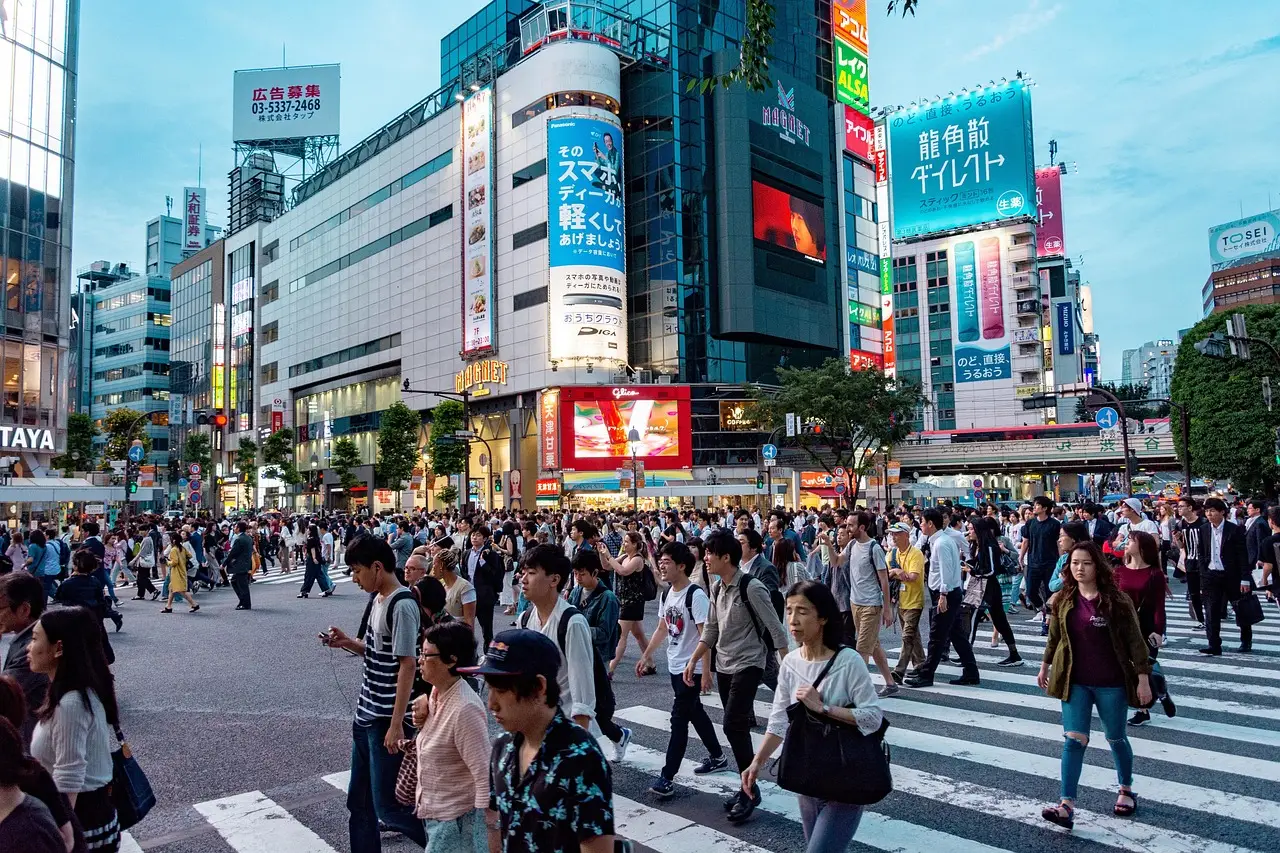
The protests did not favor one street typology over another. Crowds filled Lisbon's medieval alleyways, Haussmann's boulevards in Paris, the wide avenues of car-oriented Chicago, and the metropolitan intensity of Avenida Paulista in São Paulo. Different urban morphologies produced the same scene: crowds taking to the streets.
For practitioners, that observation carries weight. It cuts against the assumption that protest capacity depends on a particular planning tradition — the European boulevard, the Latin American avenue, the medieval lane. The source's comparison is blunt: from Portugal to Brazil, from Serbia to India, the street absorbed the crowd.
Why does this matter in the digital age?
The framing question posed by the source is whether cities remain irreplaceable when so much civic life has migrated online. The Protest Monitor's counts answer with bodies, not bandwidth. Millions chose physical assembly over digital coordination alone.
The geography of the October and November mobilizations spans four continents: South America, Europe, Asia, and North America, if Chicago's avenues count as a site of the same phenomenon. The causes converge on democracy and freedom of expression, the two stated tracking categories of the Columbia initiative.
What changes for designers and planners?
Two implications follow from the source material. First, public space still functions as the default infrastructure for mass civic action, and the scale is measurable — 3.1 million in one country in one month. Second, the diversity of street forms that hosted these crowds suggests flexibility, not a single ideal geometry, is what matters when cities plan for assembly.
The Protest Monitor continues to track demonstrations worldwide, which means the October and November 2026 counts are snapshots of an ongoing record, not a final tally.
For now, the data point stands: in an era when digital networks can summon a crowd, the crowd still needs somewhere to stand.
Original: gzeromedia.com
More from Marcus Bennett
Show full bio
Correspondent covering money, funding and market shifts around construction industry, architecture, interior design at Built Current.
400 articles