2026 Oslo Architecture Triennale Asks: What if Nature Comes First?
The 2026 Oslo Architecture Triennale will ask "What if Nature Comes First?" — and its answer reportedly includes a sauna, signaling built, tactile interventions.
- Section
- Architecture
- Author
- By Elena Vasquez
- Filed
- Length
- 2 min read
Key takeaways
- The 2026 Oslo Architecture Triennale's theme is the question "What if Nature Comes First?"
- The Triennale's answer to its theme question includes a sauna
- The event takes place in Oslo, Norway, in 2026
The 2026 Oslo Architecture Triennale will pose a single, pointed question as its organizing premise: "What if Nature Comes First?"
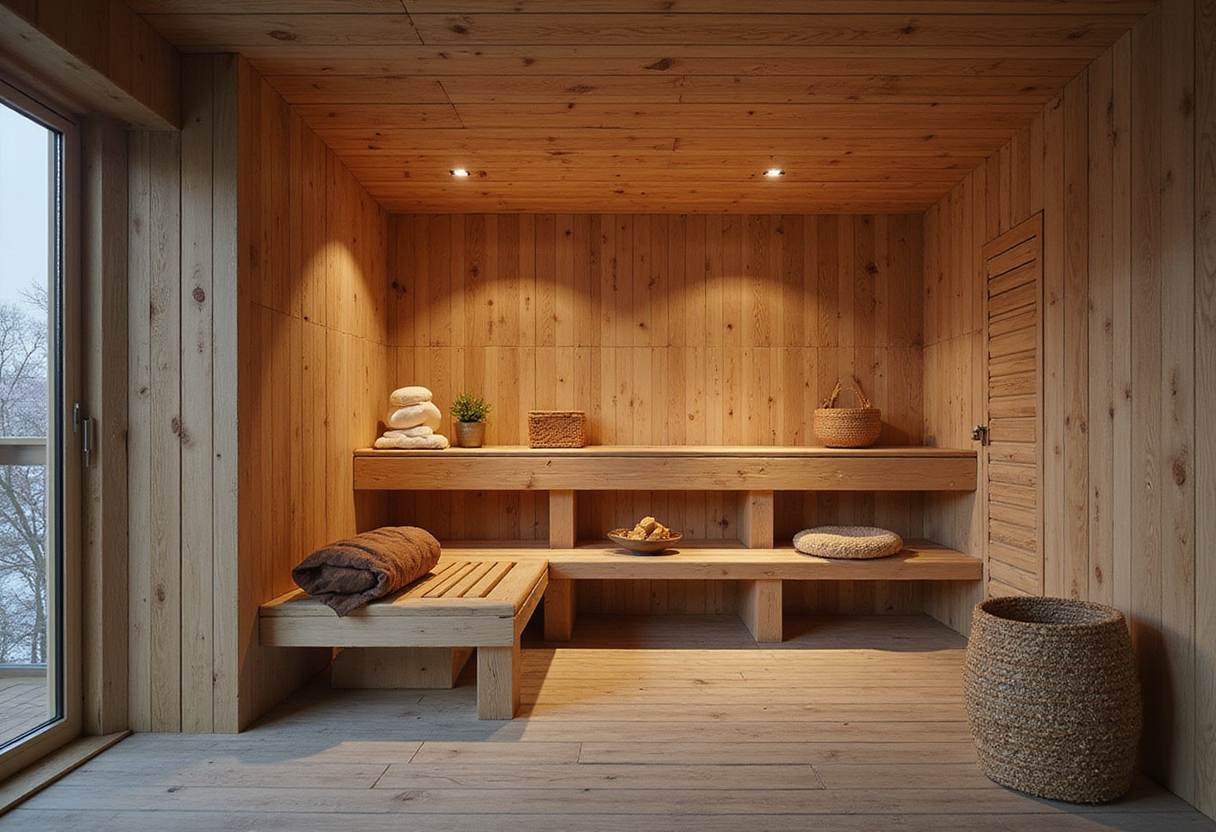
According to the announcement flagged for the Nordic capital's next edition, the Triennale's answer to that question will include a sauna — a structure that points toward the event's likely emphasis on embodied, low-impact building traditions rooted in the region's climate and culture.
Few concrete programme details have surfaced so far. What is known is the framing. The curatorial question inverts the usual hierarchy of design briefs, in which human program, budget and regulation typically precede ecological considerations. Placing nature first positions the 2026 edition within a broader current in European architecture discourse — one that interrogates whether buildings can function as ecological actors rather than instruments of extraction.
A sauna is a telling emblem for that ambition. It is small, tactile and materially humble. It demands no grid-scale infrastructure. In the Norwegian context, it also carries cultural weight: the sauna is a shared civic ritual as much as a building type, and recent years have seen a wave of public waterfront saunas reshape how Oslo residents use their harbor edge.
The Oslo Architecture Triennale, held in the Norwegian capital, has built a reputation for thematic editions that challenge construction orthodoxy. Its previous curators have addressed issues from circularity to the architecture of degrowth. A nature-first brief for 2026 extends that lineage, asking practitioners to treat ecological limits not as a constraint applied late in design but as the starting condition.
How the Triennale translates that premise into exhibitions, installations and commissions remains to be seen. The sauna suggests the curators favor demonstrable, built interventions over purely discursive displays — objects the public can enter, feel and use.
The 2026 edition opens against a backdrop of tightening European carbon regulation and mounting pressure on the building sector, which remains one of the continent's largest sources of emissions. If the Triennale holds to its question, its most consequential test will be whether the work on show models an actual reordering of priorities — or merely illustrates one.
Further details on curators, venues and participants are expected as the 2026 opening approaches.
Original: google.com