United Living's £7.4m defects claim survives Hawkins Brown strike-out bid
Mr Justice Eyre ruled a £1.6m settlement covered only past claims, letting United Living pursue £7.4m over the Wenlock Building's façade and fire defects.
- Section
- Construction
- Author
- By Amara Osei
- Filed
- Length
- 2 min read
Key takeaways
- United Living is claiming £7.4m: £3.1m for façade replacement and £4.2m for fire protection defects.
- Hawkins Brown paid nearly £1.6m in a March 2023 settlement of earlier claims.
- Mr Justice Eyre ruled the settlement covered only claims made at the time, not a general release.
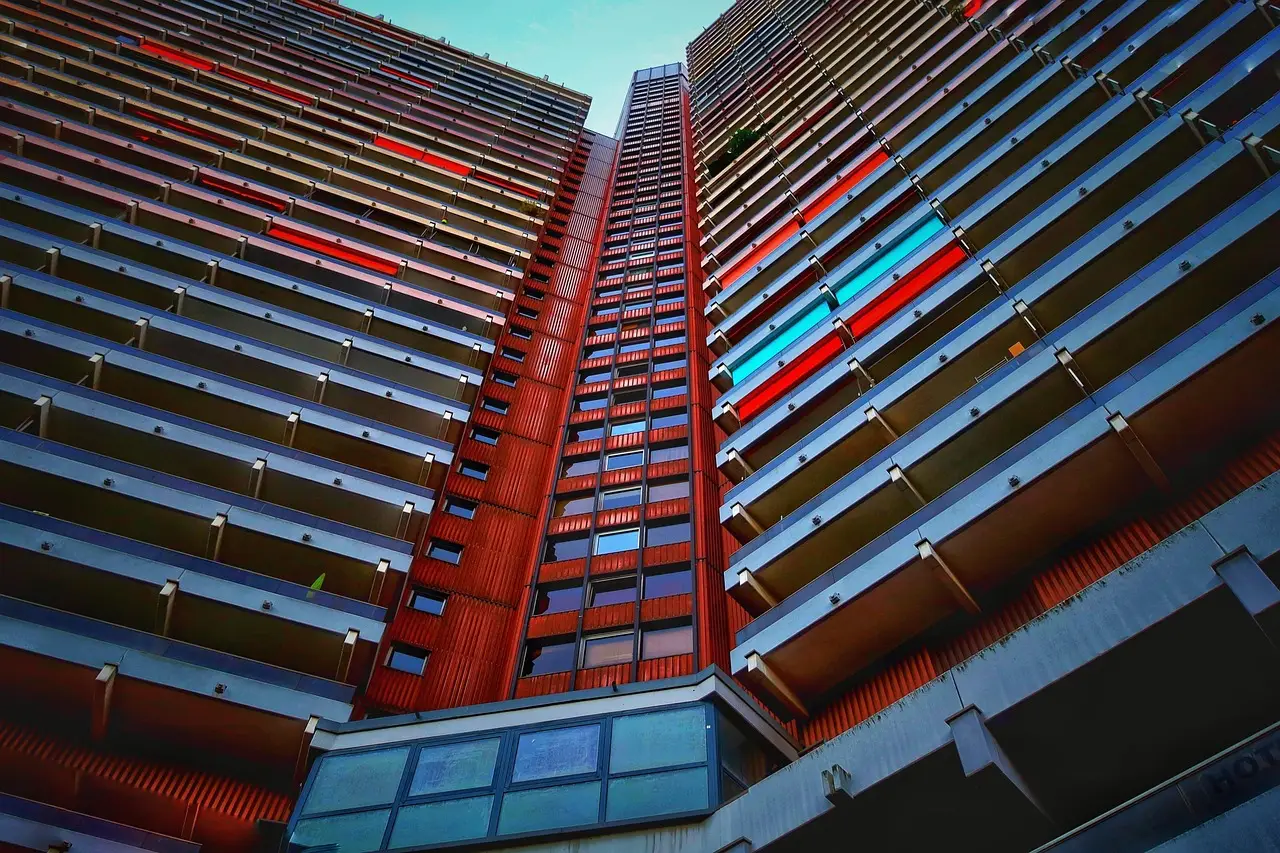
- The Wenlock Building, a nine-storey Islington development, was completed in 2009.
- Dovista UK (formerly Velfac) and Dantaag are also named as defendants.
A £7.4m defects claim against Hawkins Brown will proceed after the High Court rejected the architect's bid to have it thrown out.
Mr Justice Eyre dismissed the strike-out application, ruling that a March 2023 settlement — under which Hawkins Brown paid United Living nearly £1.6m — covered only the claims made at the time, not a blanket release from all future claims. The judgment lets the case run. It decides nothing about who, if anyone, is responsible for the alleged defects. Hawkins Brown denies the allegations.
What is the claim about?
United Living, formerly United House, is chasing the cost of replacing a façade system and fixing alleged fire protection defects at the Wenlock Building on Wharf Road, Islington. The figures break down as follows:
- £3.1m for complete replacement of the Velfac curtain walling system
- £4.2m for remedying alleged fire protection defects to structural steelwork
The proceedings also name Dovista UK, formerly Velfac, and Dantaag as defendants.
How did we get here?
The backstory is a familiar one. United Living was appointed under a design and build contract in 2007 to convert the site into the nine-storey Wenlock Building, completed in 2009. Years later, Workspace brought proceedings against the contractor over alleged defects including combustible cladding and insulation, missing cavity barriers and inadequate fire stopping.
United Living settled that dispute by agreeing to carry out remedial works, then turned round and pursued the project team. In that earlier round of claims, it expressly excluded the cost of repairing the Velfac curtain walling — a detail that now matters a great deal.
At the time, United Living believed the façade problems came down principally to poor installation. Later investigations changed its mind. The contractor concluded the system needed complete replacement and raised questions over whether it was suitable for the building at all.
Why did the strike-out fail?
Hawkins Brown's argument was straightforward: United Living could and should have brought these claims in the earlier proceedings, and it knew a further claim was possible when negotiating the 2023 settlement yet failed to disclose that.
The judge wasn't persuaded. He found the potential claim was still at an early stage and required further investigation. United Living had neither promised to abandon all future claims nor agreed a general release. Case dismissed — the application, that is.
The substantive defects dispute now continues, with Hawkins Brown contesting responsibility and two façade-system companies joined as defendants. For design teams on post-Grenfell remediation matters, the ruling is a quiet warning: a settlement drafted around specific claims leaves the door open for whatever the next investigation finds.
Source: Construction Enquirer
More from Amara Osei
Show full bio
Market editor covering companies, deals and strategy in construction industry, architecture, interior design at Built Current.
248 articles