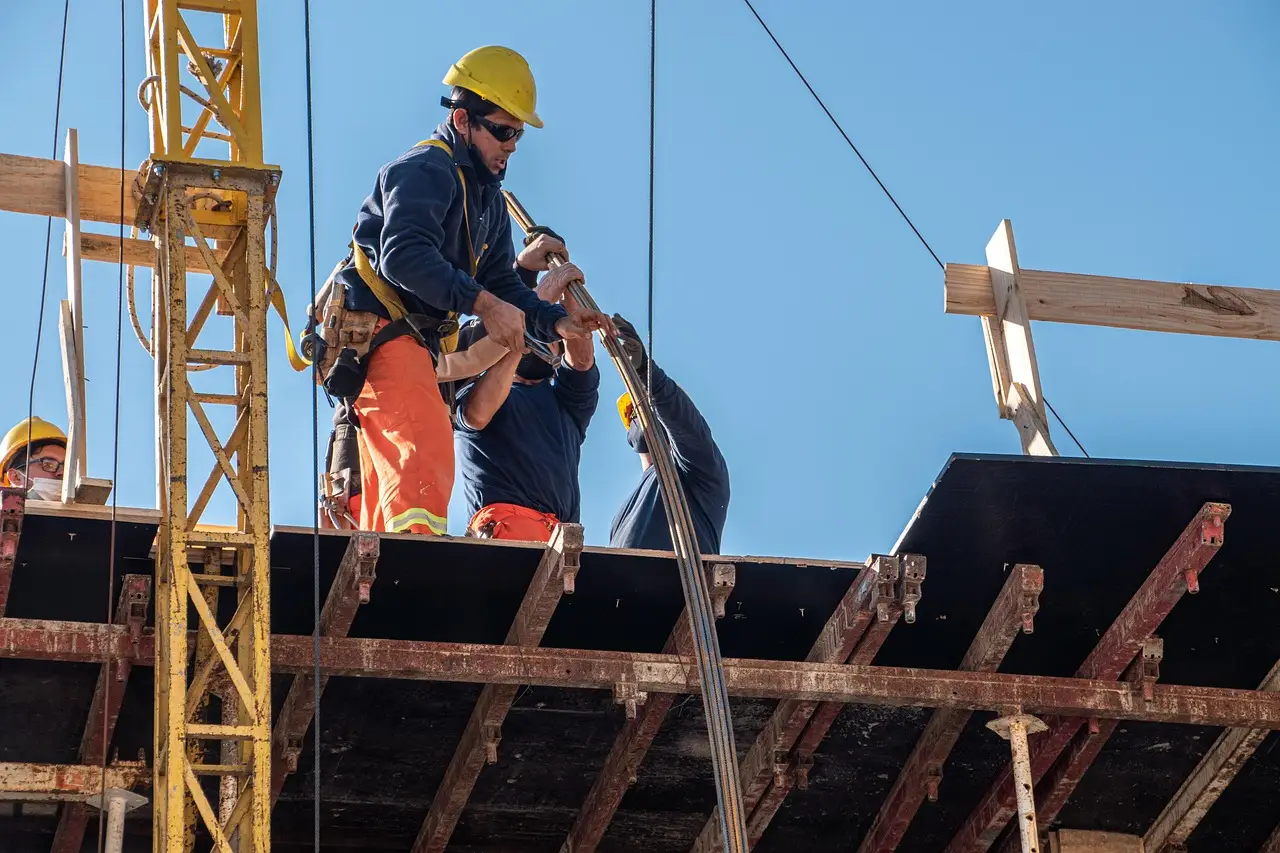
Two Tonnes of Falling Bricks Killed a Passer-By. Now Higgins Homes Faces Manslaughter Trial
A trial at the Old Bailey has begun over the death of Michaela Boor, 29, struck by two tonnes of falling bricks from a crane at a Higgins Homes site in Bow in 2018.
- Section
- Construction
- Author
- By Marcus Bennett
- Filed
- Length
- 2 min read
Key takeaways
- Michaela Boor, 29, died on 27 March 2018 after two tonnes of bricks fell from a crane on a Burdett Road site in Bow, east London.
- Higgins Homes is charged with corporate manslaughter and a Health and Safety at Work Act offence.
- Four men — site manager, lifting plan supervisor, crane supervisor and crane driver — each deny gross negligence manslaughter.
- The trial opened at the Old Bailey yesterday; all defendants deny all charges.
Two tonnes of bricks fell from a crane onto a public pavement in east London and killed a 29-year-old woman, and yesterday a jury at the Old Bailey began hearing who bears responsibility for her death.
Michaela Boor died on 27 March 2018 as she walked past a building site on the corner of Burdett Road in Bow. The bricks, hoisted by crane, fell from the site and struck her on the pavement below. She was a passer-by. She had no connection to the project.
Higgins Homes, the firm behind the development, now faces two charges: corporate manslaughter and an offence under Health and Safety legislation. The company denies both.
Who stands accused alongside the company?
Four individuals connected to the lifting operation that day each face one count of gross negligence manslaughter plus Health and Safety at Work Act 1974 offences. They are:
- Thomas Anstis, 69 — site manager
- Stephen Coulson, 69 — lifting plan supervisor
- Dawood Mann, 61 — crane supervisor
- Alexander McInnes, 34 — crane driver
All four men, like the company, deny the charges against them.
The structure of the prosecution matters for practitioners. The case does not turn on a collapse or a structural failure inside the site boundary. It turns on a routine lifting operation above a live public footpath, and on the death of a member of the public who simply walked past the hoarding.
That distinction reaches every contractor working in dense urban fabric. The alleged failure, as charged, sits in the planning and supervision of a crane lift — the lifting plan, the supervision chain, and the operation of the machine itself. The prosecution has named each link in that chain individually, from the man who drew up the lifting plan to the man in the crane cab.
What does the charge sheet signal?
Gross negligence manslaughter against individual employees is the most serious charge available after a workplace death in England and Wales. Corporate manslaughter against the employer runs in parallel. Together, the two tracks put both the organisational and the personal consequences of a lifting failure before one jury.
The Health and Safety at Work Act 1974 counts add a second layer. Each defendant answers offences under the same statute that governs every construction site in the country, which frames the case not as an isolated tragedy but as an alleged breach of duties every firm already carries.
The burden of the load itself anchors the factual account: two tonnes of bricks. That figure will frame the jury's understanding of what fell and from what height it was being carried over a pavement in use.
The trial opened at the Old Bailey yesterday. All defendants deny all charges, and the case now proceeds to evidence.
Source: Construction Enquirer
More from Marcus Bennett
Show full bio
Correspondent covering money, funding and market shifts around construction industry, architecture, interior design at Built Current.
424 articles