St. Louis Bets $1.5–$2 Billion on 2028 Olympics to Revive Downtown
St. Louis pairs HB 3231 tax incentives, $55 million in Rams settlement money and 2028 Olympic matches to revive a downtown the WSJ called a 'real estate nightmare.'
- Section
- Urbanism & Planning
- Author
- By Priya Raman
- Filed
- Length
- 5 min read
Key takeaways
- Ron Kitchens projects $1.5–$2 billion in new and redevelopment construction in St. Louis over the next 18 months.
- Gov. Mike Kehoe signed HB 3231 in July; the Missouri House passed it 119-24.
- St. Louis earmarked $55 million of its $280 million NFL Rams settlement share for downtown revitalization, matched dollar for dollar by business.
- The state will give the new downtown sports and entertainment district $4.5 million per year ahead of 2028 Olympic soccer matches.
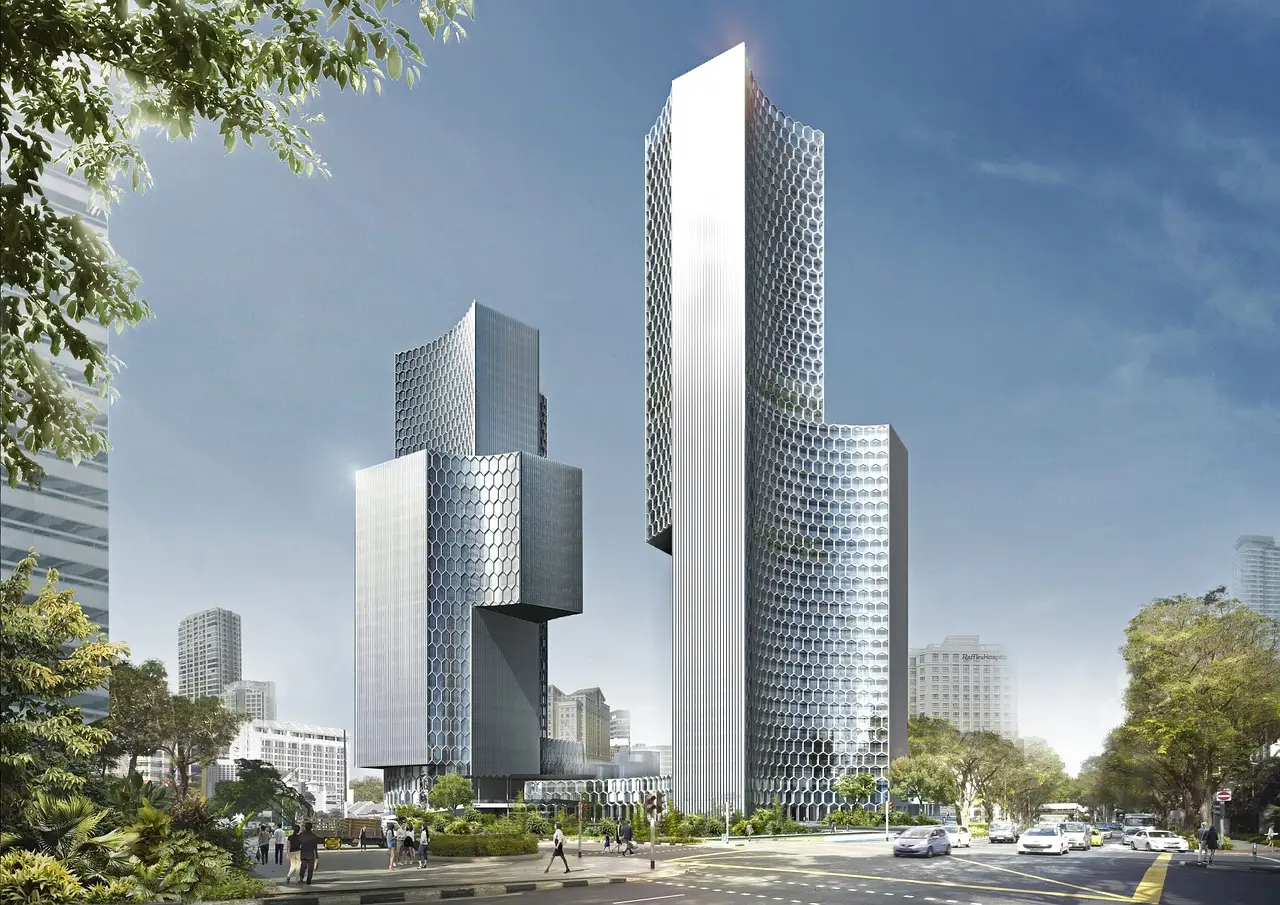
- Kitchens expects four large downtown buildings, including the vacant 44-story AT&T Tower, to redevelop within five years.
St. Louis has $1.5 to $2 billion in new construction and redevelopment lined up for the next 18 months, according to Ron Kitchens, managing partner of the economic development nonprofit Greater St. Louis. He expects the coming three years to be "maybe the greatest investment in the urban core since the [1904] World's Fair."
The money arrives through a trio of initiatives: a new state incentive law, a $55 million public-private fund built from NFL settlement money, and a sports and entertainment district created ahead of the 2028 Olympic soccer matches the city will host.
Mayor Cara Spencer, who took office last year, has made downtown the centerpiece of her administration. "Downtown St. Louis is a sleeping giant," she told Smart Cities Dive.
Why the city needs the money
St. Louis shares the problems of other Midwestern legacy cities: population loss and post-Covid office vacancies downtown. The 44-story AT&T Tower and the 21-story Railway Exchange have sat vacant for years. Squatters and thieves have replaced business tenants. The Wall Street Journal called the Missouri city a "real estate nightmare" in 2024.
The city has also trailed its regional rivals in public investment. Kansas City has poured more than $3.5 billion into district development. Indianapolis officials boast a $9 billion downtown construction pipeline.
Local business leaders argue St. Louis holds stronger assets. "We have a world-class zoo, and our Forest Park rivals Central Park," said Robert O'Loughlin, chairman and CEO of St. Louis-based Lodging Hospitality Management. "The [Gateway] Arch draws 1.5 million people per year. We have a lot of concerts and sporting events. I boast that if you take all of those assets, they far exceed Indianapolis and Kansas City combined."
What does HB 3231 change?
In July, Missouri Gov. Mike Kehoe signed HB 3231, the Missouri Downtown and Rural Economic Stimulus Act. The Missouri House approved the bill by a bipartisan 119-24 vote.
The law creates millions of dollars in tax incentives for downtown innovation zones (areas a city designates for concentrated redevelopment) plus tax credits to convert vacant office buildings into housing. Kitchens said the tools let St. Louis leverage private investment "to generate new public revenue for infrastructure, public safety and housing."
Key provisions include:
- Cities can retain 50% of all new state sales and income taxes generated in innovation zones, provided the money funds public safety or infrastructure.
- Buildings must be at least 25 years old, and more than 50% of their space converted to residential, to qualify for conversion incentives.
- State tax rebates apply to investments in buildings over 750,000 square feet. Spencer singled out this provision as particularly important for downtown St. Louis.
- The law creates the Missouri Angel Investment Tax Credit for startup capital expenditures and expands the Missouri Works program for large-scale capital projects, especially within innovation zones.
"HB 3231 also establishes some of the most robust office-to-residential conversion incentives in the nation," Kitchens said. Passing it took coalition-building: "We had to build a coalition of 28 communities around the state."
Kitchens expects four large downtown buildings, including the AT&T Tower, to use the incentives and redevelop within five years.
How the Rams settlement fits in
After the St. Louis Rams moved to Los Angeles in 2016, the city, county and the St. Louis Regional Convention and Sports Authority sued the NFL for breach of contract. "When we lost the Rams, our city leaders and some private sector attorneys took a big risk in suing the NFL," Spencer said.
The risk paid off. The NFL settled in 2021 for $519 million. St. Louis received $280 million, but the Board of Aldermen only decided how to distribute it this year. In June, lawmakers earmarked $55 million for downtown revitalization.
"And the business community will match that total," Kitchens said. About 50% of the private match will fund infrastructure projects; the other 50% will incentivize small businesses.
"It's an exciting time when you have the private sector willing to come to the table and match us dollar for dollar," Spencer said.
What does the 2028 Olympics change for downtown?
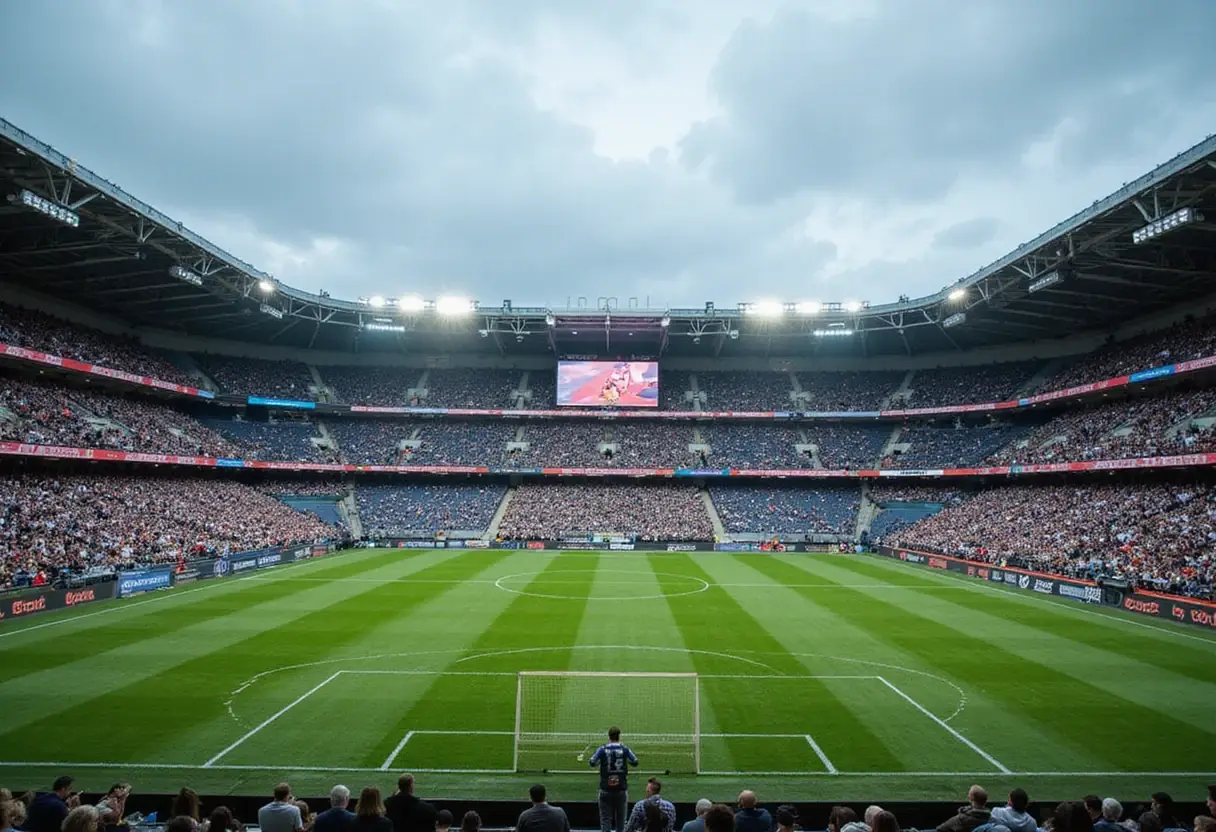
St. Louis will host 2028 Olympic soccer group stage and knockout matches. In February, the Board of Aldermen approved the Downtown St. Louis Sports And Entertainment Community Improvement District, designed to remediate blight and encourage redevelopment.
The state will provide $4.5 million per year to the district for public safety, pedestrian access improvements, street lighting, and upfront funding for sports and entertainment events, O'Loughlin said. "The impetus is to [improve] a large metropolitan area so businesses functioning there can see it's a safe area to go to, it's well lit, it's walkable," he said.
Kitchens wants the Olympic money deployed fast. "I hope to get every dollar out the door prior to the Olympics," he said. "The world stage is going to be here. It's like a dinner party — you need to get your house ready in advance."
Spencer, whose blue city sits in a red state, said the legislature and the private sector both grasp downtown's economic weight. "I can't overstate the alignment we currently have in St. Louis to revitalize our downtown," she said. The test comes in five years: whether the AT&T Tower and its vacant neighbors fill with residents before the Olympic crowds arrive.
Source: Construction Dive
More from Priya Raman
Show full bio
News editor covering people, launches and day-to-day practice in construction industry, architecture, interior design at Built Current.
224 articles