Key takeaways
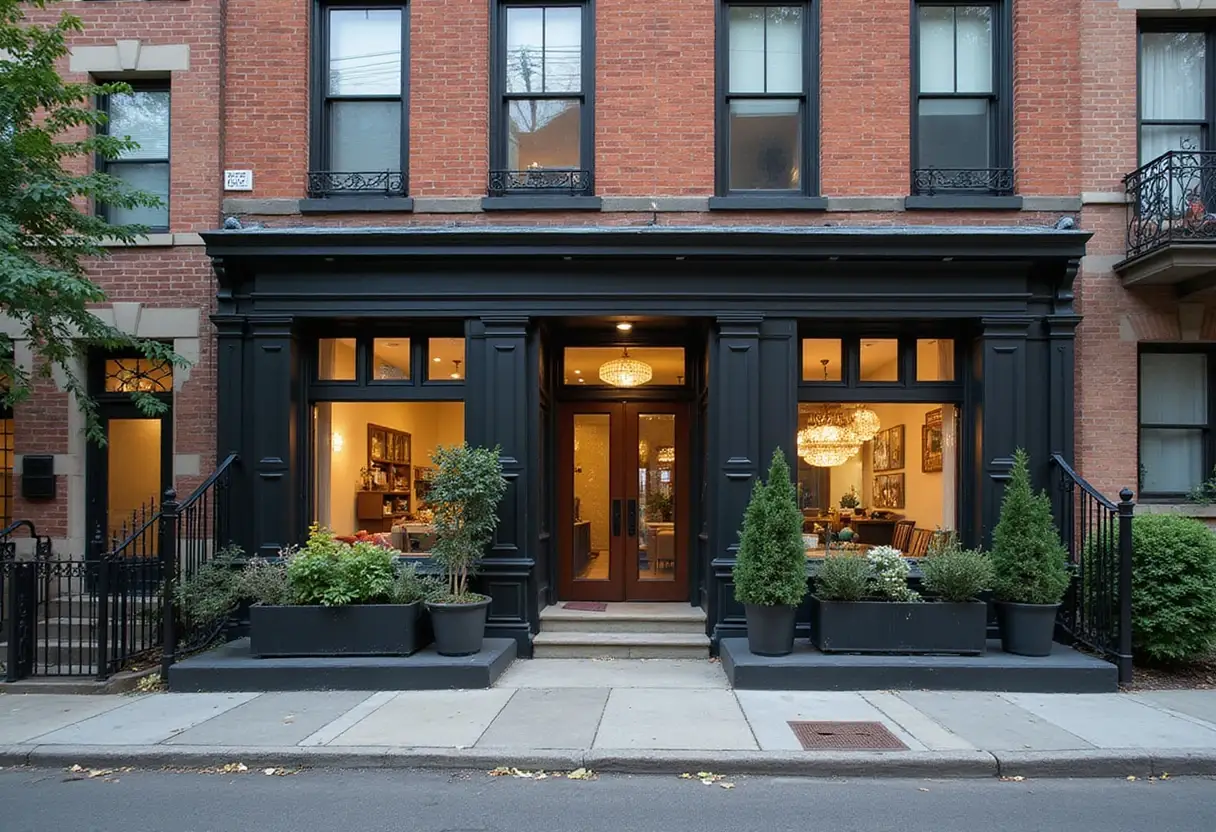
- The Whit occupies the 1857 Harris-Maginnis House at Prytania Street and Jackson Avenue in New Orleans's Garden District.
- USA Today once named the property, then the Magnica Mansion B&B, among the top places in the U.S. "to sleep with a ghost."
- Architect Seamus McGuire of Cicada converted three bedrooms into lounges.
- Bedrooms split into four oxblood-walled garden rooms, three cabana rooms with bamboo beds, and classically designed units.
- The hotel is named for Walt Whitman, who spent three months in New Orleans around the house's construction.
A 1857 Greek Revival mansion once ranked by USA Today among the nation's top places "to sleep with a ghost" has reopened as The Whit, a hotel that pretends no designer ever set foot in it. That was the brief, at least. "The goal was a hotel where nobody can quite tell whether a designer has touched it," says Katie Logan Leblanc of New Orleans firm Logan Killen, which led the interiors with partner Jensen Killen.
The Harris-Maginnis House, at Prytania Street and Jackson Avenue in the Garden District, carries more plot than most hotels manage in a century. Its first owner, a cotton merchant, died of yellow fever. A later owner was fatally struck by lightning. In the 21st century a Tina Turner impersonator bought the property and ran it as Magnolia Mansion, a B&B with suites named Vampire Lovers' Lair and Moulin Rouge. A former professional boxer and a local political kingmaker followed. Then came the FBI raid, and things fell apart.
The new team — led by Gretchen Trauth, CEO of the New Orleans investment firm behind the hotel — found gothic-coded wall murals and dark purple velvet at every turn. Guests of the B&B era had reported eerie happenings: footsteps, slamming doors, a sensation of someone tucking them in or watching them sleep. The property earned a permanent slot on the city's ghost-tour circuit.
How do you redesign a haunt?
Killen and Leblanc answered with a romantic, lived-in, curio-studded aesthetic. "We wanted it to feel very storied, like it's been someone's house for a long time," says Killen. "There are these layered histories imbued in the furnishings and the art and accessories."
Architect Seamus McGuire of New Orleans firm Cicada handled the historical codes and redrew the plan to recover glamour that had drained away in recent years. His blueprint converted a trio of bedrooms into lounges:
- A mahogany-paneled library, now hung with antique dog portraits and stocked with volumes from local independent Faulkner House Books. "It's dark and moody and where you might want to have a cocktail or a whiskey," says Leblanc.
- A breakfast room covered, curtains and all, in Pierre Frey Les Colonnes wallpaper — delightfully matchy-matchy, by the designers' own admission.
- A sunroom with banquette seating, plus wicker chairs on the wraparound porch.
The main lounge proved the hardest room. "It's a giant space that isn't always in use, and can be tricky to give life to when it's empty," says Killen. The fix: blue paint that reads ethereal by day and warm by night, a custom grid carpet to tailor the expanse, and a salon-style wall of works by Louisiana artists including Robert Moreland and Mallory Page. By day it's a great room; by evening, an atmospheric cocktail bar.
What do landmark rules forbid?
The second-floor bar posed a different constraint. Landmark rules prohibit faking a history a space never had, so the team went openly Art Deco. "What we don't want is to put a contemporary bar into a very historic property," says McGuire. "You can't give a false sense of history to a space." Honest Deco, then. Novel concept.
The bedrooms resist uniformity. Four garden rooms come with low ceilings and glossy oxblood walls; three cabana rooms run airy, with bamboo beds and high ceilings. The rest are classically proportioned. "It's not meant to feel like everything was changed by the same person at the same time," Killen says.
The Whit takes its name from Walt Whitman, who spent three months in New Orleans around the time of the house's construction. As for the ghosts, the designers report nobody's heard boo. Whether the ghost-tour operators will honor that verdict is another matter — the mansion's lore, unlike its velvet, doesn't strip out so easily.
Original: hauntedhistorytours.com
More from Amara Osei
Show full bio
Market editor covering companies, deals and strategy in construction industry, architecture, interior design at Built Current.
220 articles