Isay Weinfeld stages cinema as theatre at Cine Tutu in São Paulo
The 114-seat street cinema in Vila Madalena pairs Christie 4K projection and Dolby 7.1 sound with Weinfeld's scenographic interiors — and joins the 50th São Paulo film festival.
- Section
- Interiors
- Author
- By Marcus Bennett
- Filed
- Length
- 2 min read
Key takeaways
- Cine Tutu seats 114 and is the first street cinema in Vila Madalena, São Paulo.
- The screening room has an 8.9m-wide screen, Christie 4K projection and Dolby 7.1 sound.
- Founder Paulo Velasco also runs Cinesala in neighbouring Pinheiros.
- Weinfeld co-directed the feature Fogo e Paixão in 1988.
- Cine Tutu joins venues for the 50th São Paulo International Film Festival.
Isay Weinfeld has completed Cine Tutu, a 114-seat independent cinema on Rua Girassol in São Paulo's Vila Madalena neighbourhood — and it is the first street cinema in the bohemian-chic enclave.
The São Paulo-based architect, celebrated worldwide for buildings, interiors and furniture, has an equally deep connection to film. In 1988, he co-directed the feature Fogo e Paixão with his former business partner, and he teaches kinetic expression at the Fundação Armando Álvares Penteado, a private, non-profit university and cultural centre in São Paulo. As Wallpaper* reports, those who know Weinfeld are familiar with "the boyish glint in his eye at the first mention of the movies." At Cine Tutu, that glint is everywhere.
What happened to the building?
The structure was conceived as a theatre but sat unfinished and empty for years. Founder Paulo Velasco — also behind Cinesala, the beloved street cinema in neighbouring Pinheiros — has delivered it to its original cultural calling. Weinfeld has staged the experience as a sequence of scenes, each a sophisticated take on the moviegoing ritual, none resembling the shopping-mall multiplex.
How does the sequence unfold?
The first scene plays out at street level in Barouche, Velasco's café-bar, open with or without a ticket. The menu runs to speciality Brazilian coffee, sandwiches, draught beer and craft cocktails, plus popcorn from vintage countertop pipoqueiras — a buttery, nostalgic touch. Contrasting stainless steel and rich, warm native wood sets a stylish tone, and lush tropical flora behind the glass façade puts on a show of its own.
Downstairs, the waiting area reads more like a cocktail lounge than a pre-show holding pen. Framed classic film posters cover the walls. Custom olive-green banquettes cluster around a central column, and above them a one-of-a-kind centrepiece chandelier stretches slender arms across the ceiling, washing it in pools of warm light that stand as a design feature in their own right. It all makes the room hard to leave, even as the coming attractions call.
What does the screening room deliver?
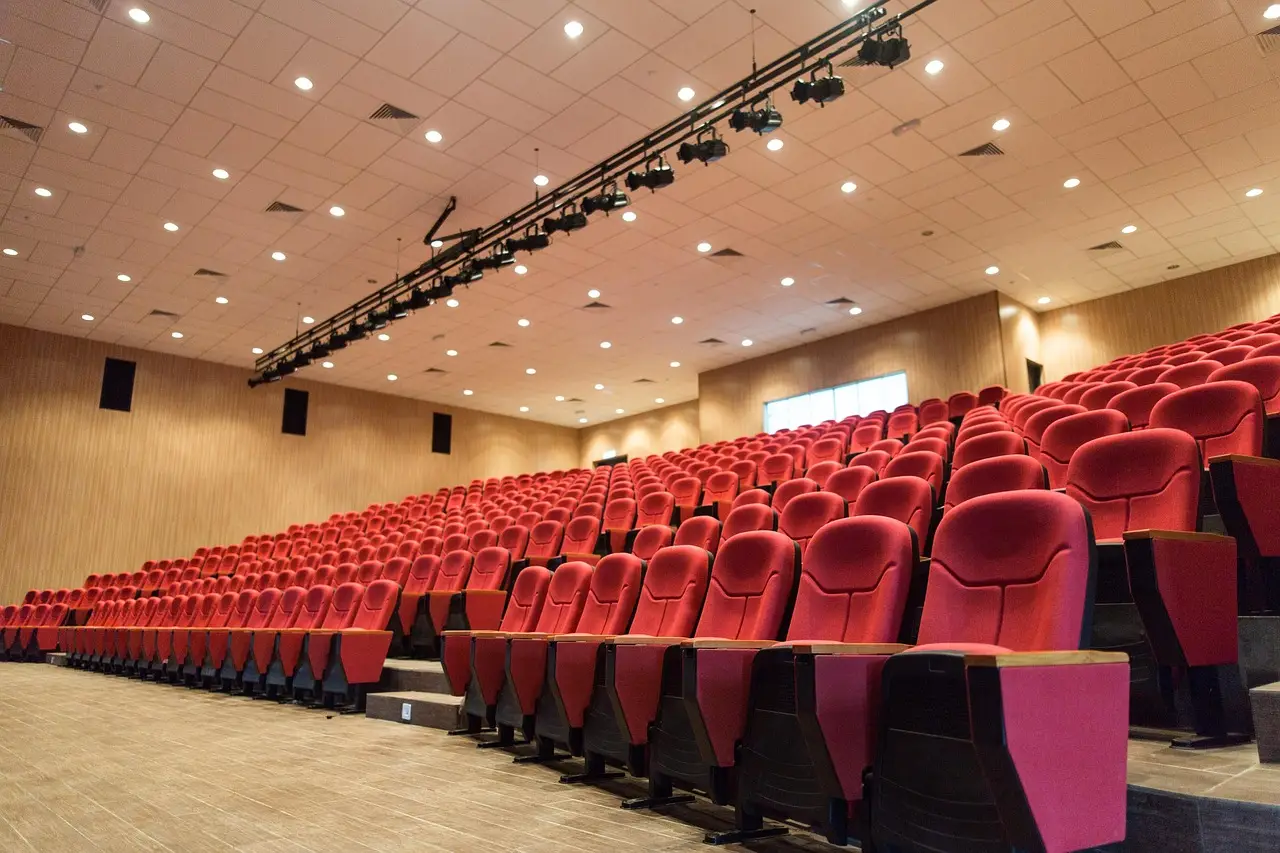
A cheeky floral print developed with the renowned Brazilian textile and design house Entreposto covers the rows of seats, alongside lounge chairs prototyped to perfection by Weinfeld's famously detail-obsessed studio. The technology keeps a lower visual profile but delivers an eye-opening experience: an 8.9-metre-wide screen, Christie 4K projection and Dolby 7.1 sound.
When the credits roll, the bar beckons for a drink and a debate about the film's high points, low points and, of course, the denouement.
Why this month matters
Cine Tutu has joined the line-up of venues for the 50th São Paulo International Film Festival, giving the city's programmers a new destination in a district that never had one. Look for Weinfeld in the front row.
Original: google.com
More from Marcus Bennett
Show full bio
Correspondent covering money, funding and market shifts around construction industry, architecture, interior design at Built Current.
179 articles