Homeownership Now Costs $1.28 Million, Topping the American Dream
Investopedia now prices the American Dream at over $5.3 million, with homeownership the costliest piece at $1,275,782 — up from $1,184,493 — on 6.32% mortgage rates.
- Section
- Urbanism & Planning
- Author
- By Marcus Bennett
- Filed
- Length
- 2 min read
Key takeaways
- Investopedia prices the lifetime cost of the American Dream at over $5.3 million (November 9, 2026).
- Homeownership is the most expensive component at $1,275,782, up from $1,184,493.
- The median single-family home cost more than $420,000 over 12 months through August; 30-year mortgages averaged 6.32%.
- A 20% down payment plus 30 years of principal and interest totals roughly $837,000, nearly twice the purchase price.
- Property taxes at 0.9%, insurance at $3,057 a year, and 30 years of upkeep and utilities add $438,000.
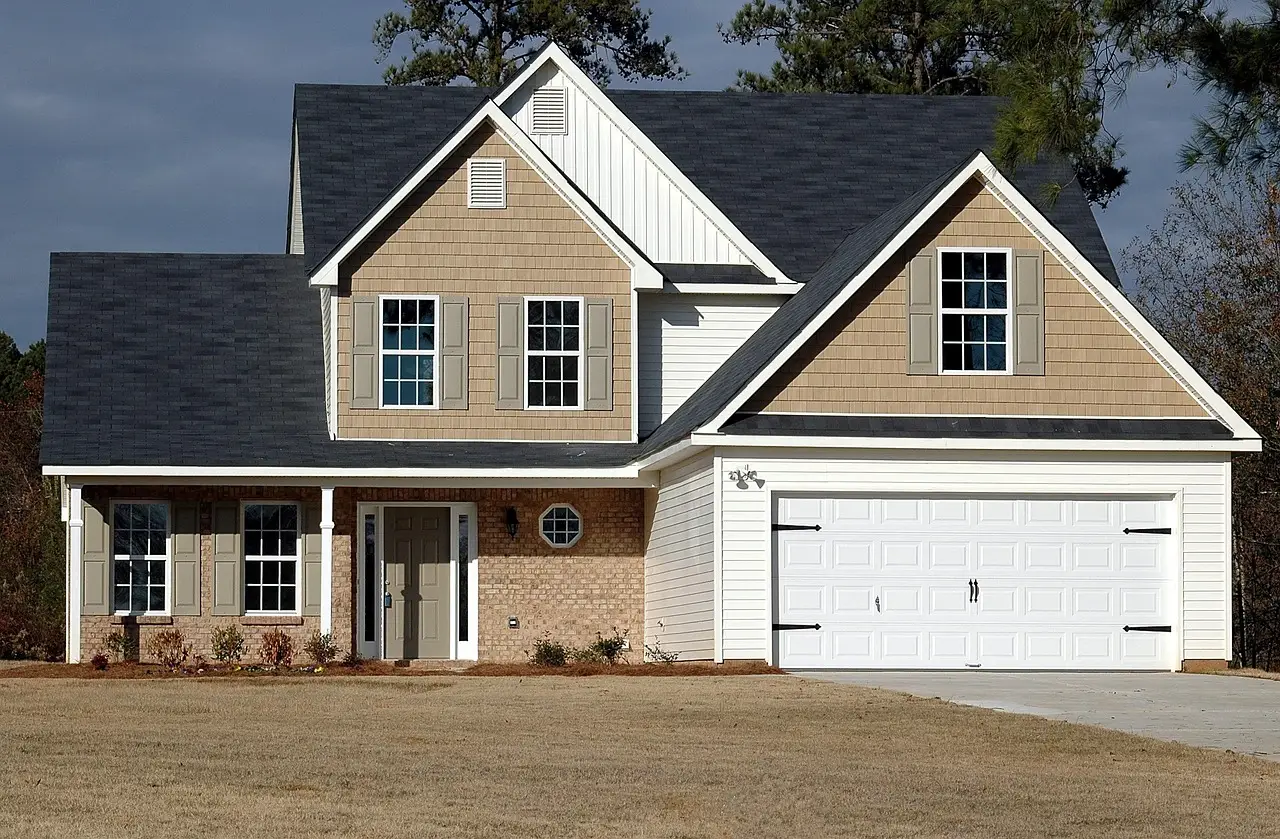
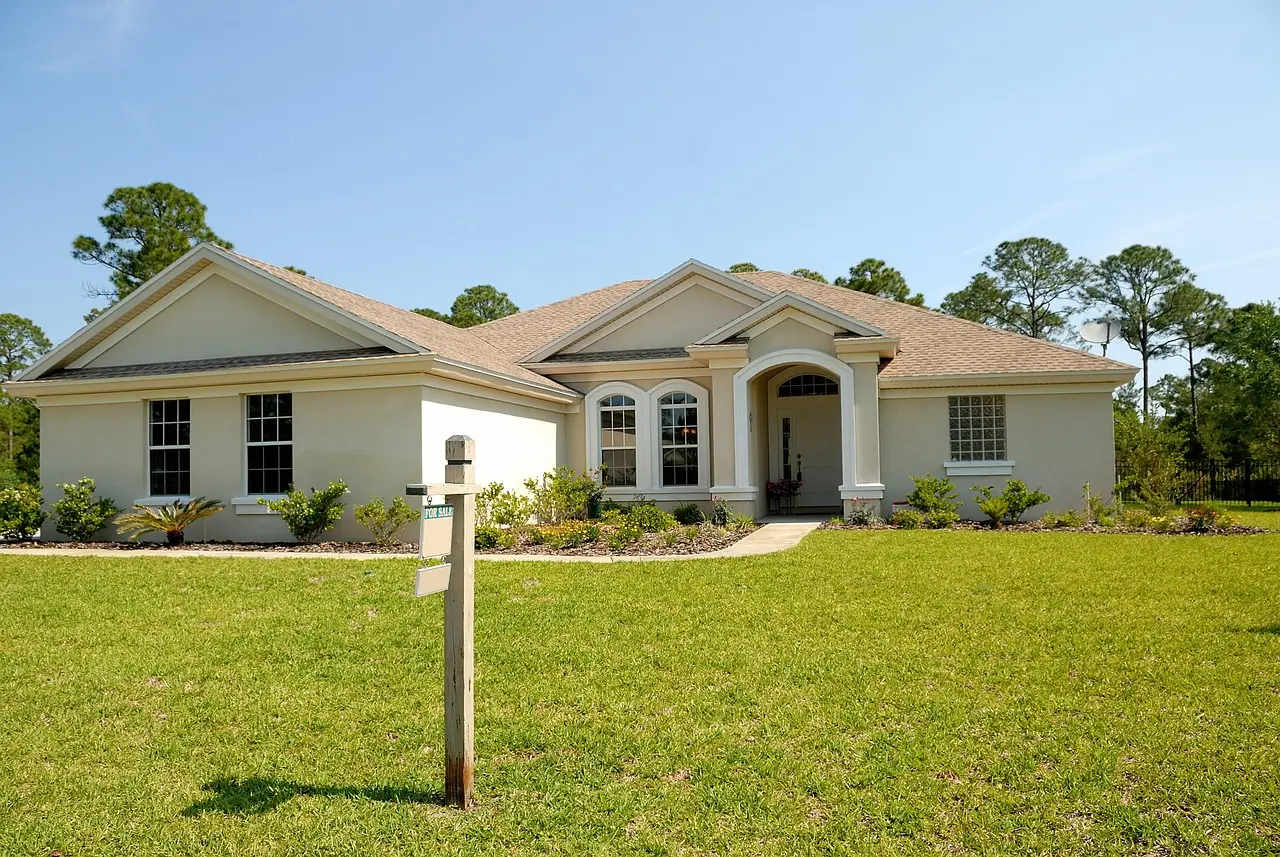
Owning a home now costs $1,275,782 over a lifetime, making it the single most expensive component of what Investopedia prices as a $5.3 million American Dream. The financial reference site reported the figure on November 9, 2026, tracking a rise from $1,184,493 in its previous accounting.
The American Dream, as Investopedia defines it, bundles retirement, healthcare, homeownership, raising two children, paying for college, owning a new car, a yearly vacation, pets and a wedding. Housing has now overtaken every other line item on that list.
The number deserves a close read from practitioners who advise buyers or model affordability, because it rests on specific market conditions rather than a vague sentiment index.
What drives the $1,275,782 figure?
Investopedia's breakdown rests on three inputs:
- The median price for a single-family home ran more than $420,000 over the 12 months through August.
- A 30-year mortgage averaged 6.32%.
- A 20% down payment plus 30 years of principal and interest totals roughly $837,000 — nearly twice the purchase price.
That last figure carries the story. Financing costs alone nearly double what a buyer pays for the house itself, a comparison that reframes affordability debates focused entirely on listing prices.
What sits on top of the mortgage?
Principal and interest do not finish the bill. Investopedia adds $438,000 in carrying costs over three decades:
- Property taxes at the average state rate of 0.9%.
- Insurance at $3,057 a year.
- Thirty years of upkeep and utilities.
Stack those recurring costs on the financed total and the $1,275,782 figure arrives. For context, the additional carrying costs alone exceed the median purchase price of most American homes a generation ago.
What does this change for the industry?
The shift matters for anyone who underwrites, designs or markets housing. When the largest component of a household's lifetime budget is a financed asset whose interest costs approach the principal, mortgage rates move the market more than square footage does. The 6.32% average over the period Investopedia measured sits well above the sub-4% environment that shaped buyer expectations for a decade.
The aggregate picture is no softer. At more than $5.3 million for the full bundle — retirement, healthcare, home, two children, college, a car, vacations, pets and a wedding — the American Dream now requires sustained high income across an entire working life.
For developers and lenders, the message in the data is direct: buyers who absorb $438,000 in taxes, insurance and upkeep on top of an $837,000 financing bill will keep trading size, location and finishes for monthly payment relief. Investopedia's next annual revision will show whether the $91,289 one-year jump in housing costs marks a peak or a plateau.
By Marcus Bennett
Source: floordaily.net
More from Marcus Bennett
Show full bio
Correspondent covering money, funding and market shifts around construction industry, architecture, interior design at Built Current.
328 articles