Angelo Renna Publishes Eight Principles for Designing Cities for Non-Human Life
Architect Angelo Renna lays out eight urban design principles for non-human life, citing a WWF report that two-thirds of global wildlife has been lost in fifty years.
- Section
- Urbanism & Planning
- Author
- By Priya Raman
- Filed
- Length
- 3 min read
Key takeaways
- More than two-thirds of global wildlife has been lost in 50 years, per a new WWF report
- Decaying wood and snags support over 40% of wildlife species
- Fifteen years of North American and European data link intensive mowing to lower plant and invertebrate diversity
- Louis Le Roy's Écokathedrale in the Netherlands, built without mortar, models cavity-rich habitat design
- Renna's manifesto was published November 2026 in designboom's POSTHUMAN UTOPIAS chapter
Human activity has wiped out more than two-thirds of the world's wildlife population over the last fifty years, according to a new report from the World Wildlife Fund — and architect Angelo Renna says urban design is where that trend gets reversed. The WWF's language is blunt: its "findings are clear" and "our relationship with nature is broken." Renna's answer, published in November 2026 as part of designboom's POSTHUMAN UTOPIAS chapter, is a set of eight principles for welcoming non-human species back into cities.
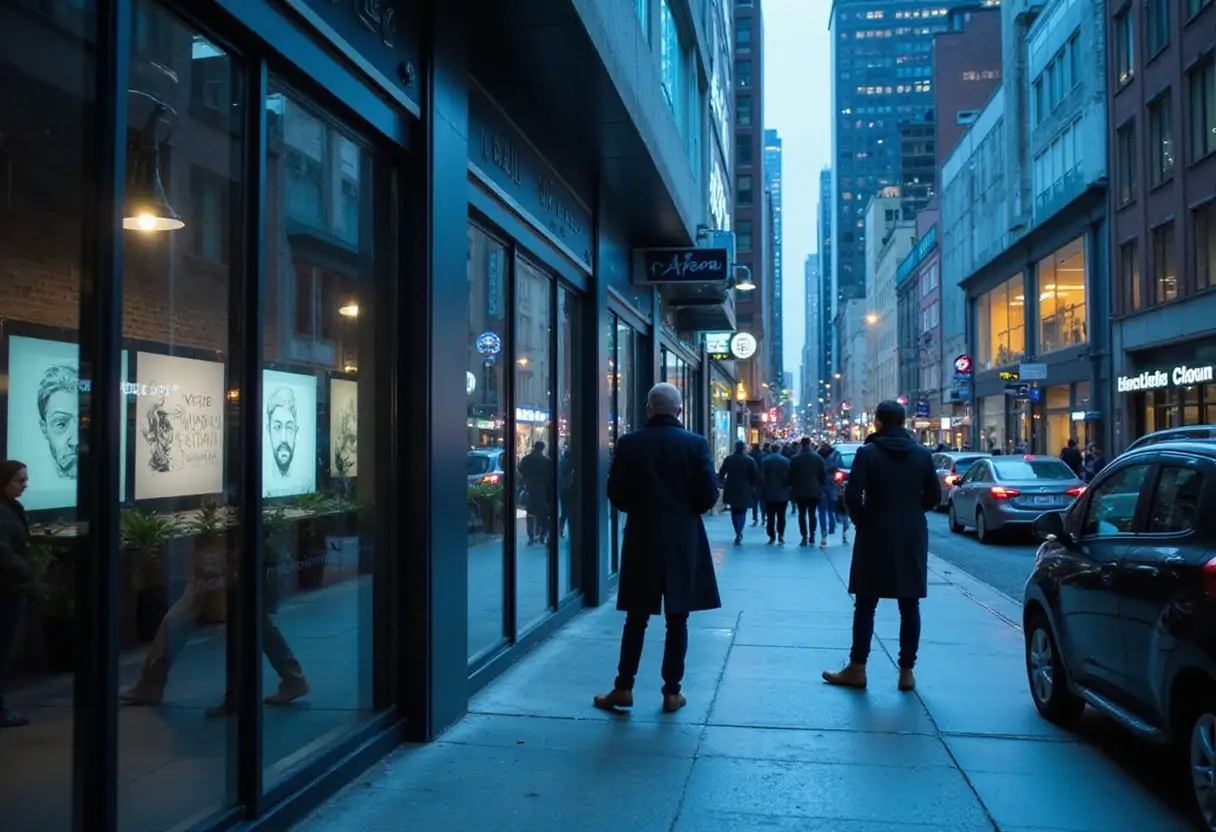
The context is stark. Animals now live in the parts of cities we underuse or ignore — an unseen presence, "almost like ghosts." More species are forced into urban environments to survive, and cities have become extreme habitats: polluted, noisy, dominated by artificial light and concrete. Some species disappear. Others adapt.
What are the eight principles?
Renna's manifesto, illustrated with his projects including Lesser Houses, Florence Island, Sweep Island, Sansiro and Grandparis, breaks down into eight guidelines:
-
Welcome the non-human. Creatures inhabited the land long before cities were built on it. Conflicts — wildlife-vehicle collisions, property damage, zoonotic disease transmission, attacks on people or pets — hurt both sides. Renna calls for community management programmes that encourage shared responsibilities among citizens.
-
Let it grow. Instead of introducing and controlling vegetation, let green spaces emerge naturally from species already growing elsewhere. That means not planting anything, perhaps not even adding soil — leaving spots empty for the urban ecosystem to colonize.
Design for ecological niches. Plant communities in gutters, roadsides and abandoned areas interact with urban conditions such as the heat island effect, fragmented soils and heavy metal pollution. Even the smallest plant can create a unique ecosystem if left undisturbed early in the design process.
Minimize over-maintained areas. Research drawing on fifteen years of data from North America and Europe links intensive mowing of urban lawns — parks, roundabouts, roadsides — with reduced plant and invertebrate diversity. Cutting mowing frequency boosts pollinators and plant diversity.
Incorporate snags and felled wood. Snags (standing dead trees), large felled logs and decaying trunks provide food and shelter to more than 40% of wildlife species. They serve cavity-dependent birds and small mammals, feed woodpeckers and foragers, and release nutrients through decomposition. Decaying trees can be relocated near parks to sustain new ecosystems.
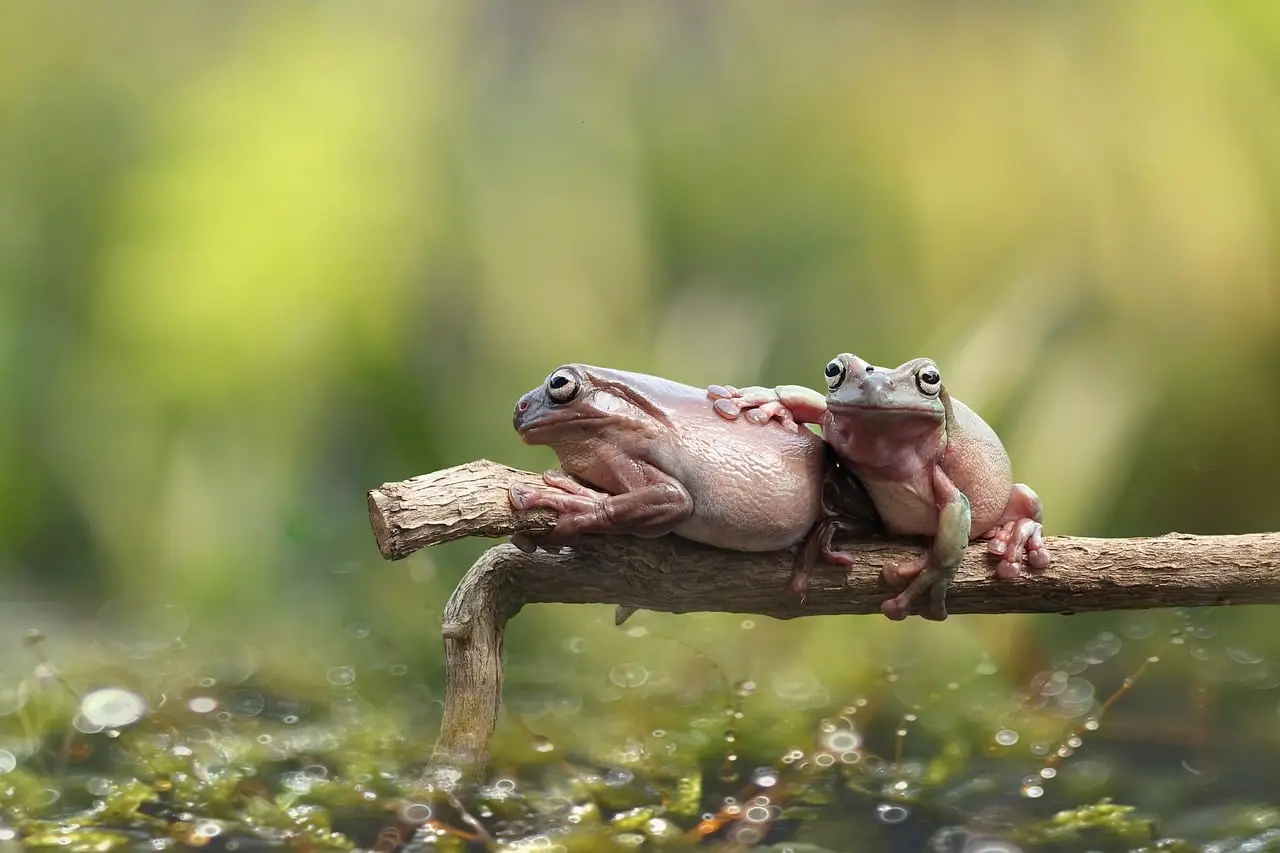
Provide water beyond drinking. Fountains and artificial ponds give amphibians like frogs and toads shelter and breeding grounds. Butterflies extract minerals and salts from slightly muddy water; birds bathe to remove parasites from their feathers.
Work with porosity, cracks and cavities. Gaps and openings become microhabitats for insects and small organisms. Renna cites the Écokathedrale of Louis Le Roy in the Netherlands, built from discarded bricks, paving stones and construction materials assembled without mortar. "What might traditionally be considered construction imperfections becomes an opportunity for ecological occupation," he writes.
Choose diversity. Prefer multispecies communities over monocultures. Mixed trees, shrubs and herbaceous plants increase resilience to pests, diseases and environmental stress, and create a wider range of habitats and food sources.
What does this change for architects?
The stakes run deeper than planting schemes. Renna frames the city of the future as something other than a development project: "We should envision the city of the future not merely as an urban development process, but as a process of co-evolution among different species within a shared living habitat." That interspecific space, where different forms of life mutually construct a shared environment, moves beyond conventional urban development toward structural integration of non-human species. He anchors the whole argument in a line from Bertrand Russell: "It's coexistence or no existence."
The essay appears in designboom's POSTHUMAN UTOPIAS chapter, presented in partnership with INDX|GLOBAL, a cultural platform placing Indian architecture and design in global conversation. For practitioners, Renna's checklist turns a philosophical brief into design moves: stop mowing, keep the dead wood, skip the mortar, plant for many species at once.
Original: google.com
More from Priya Raman
Show full bio
News editor covering people, launches and day-to-day practice in construction industry, architecture, interior design at Built Current.
374 articles